

As backpacking guides, we spend numerous time instructing folks the best way to transfer comfortably and respectfully by means of the wilderness. We speak about packing effectively, staying hydrated, navigating terrain, and working towards Go away No Hint rules. But one subject at all times makes folks squirm, snort, or panic a bit: pooping outdoors. It’s an important a part of backcountry journey, and doing it responsibly helps defend water sources, wildlife, fellow hikers, and the locations we love most.
This information breaks down the do’s, don’ts, and “different D’s” of pooping outdoors so you’ll be able to strategy the method with confidence and care. Whether or not you’re guiding purchasers, climbing with buddies, or heading into the backcountry for the primary time, these rules make the expertise sanitary, environmentally accountable, and surprisingly easy.
Want: When the Urge Hits, Go Early and Go Good
Let’s begin with the primary D: Want. When nature calls, don’t ignore it. Holding it in can result in belly ache, constipation, bloating and trapped gasoline. New backpackers generally attempt to “await the right spot” solely to seek out themselves in disaster mode half an hour later.
Once you really feel the need to go, begin scanning for an acceptable space that follows Go away No Hint pointers. Not each panorama is appropriate for burying waste, and a few areas require very particular practices. Recognizing the urge early offers you time to discover a secure, acceptable, and accountable place to alleviate your self as an alternative of speeding into the closest bushes.
Gadgets: The Instruments That Make Pooping Outdoors Simpler
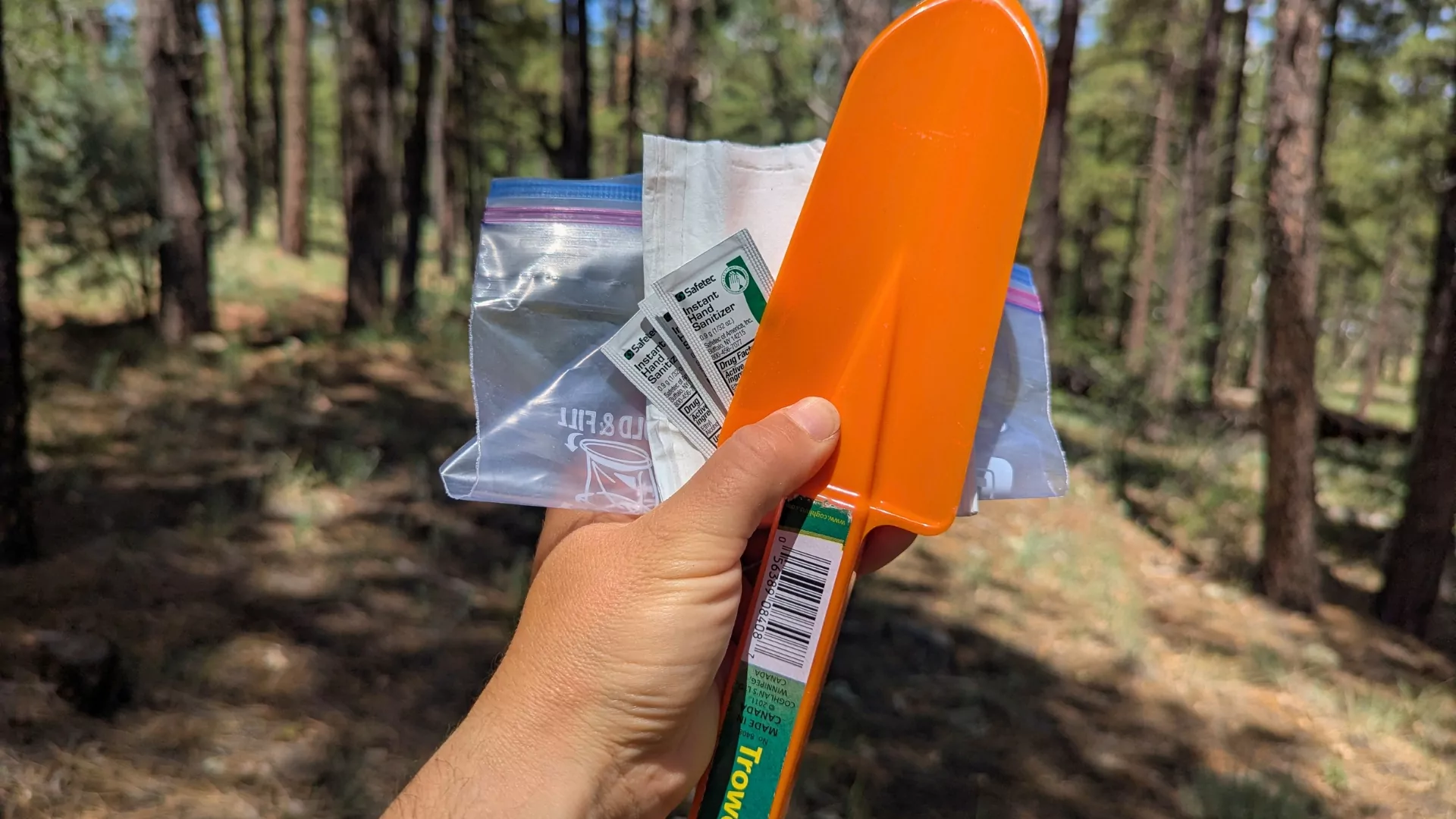
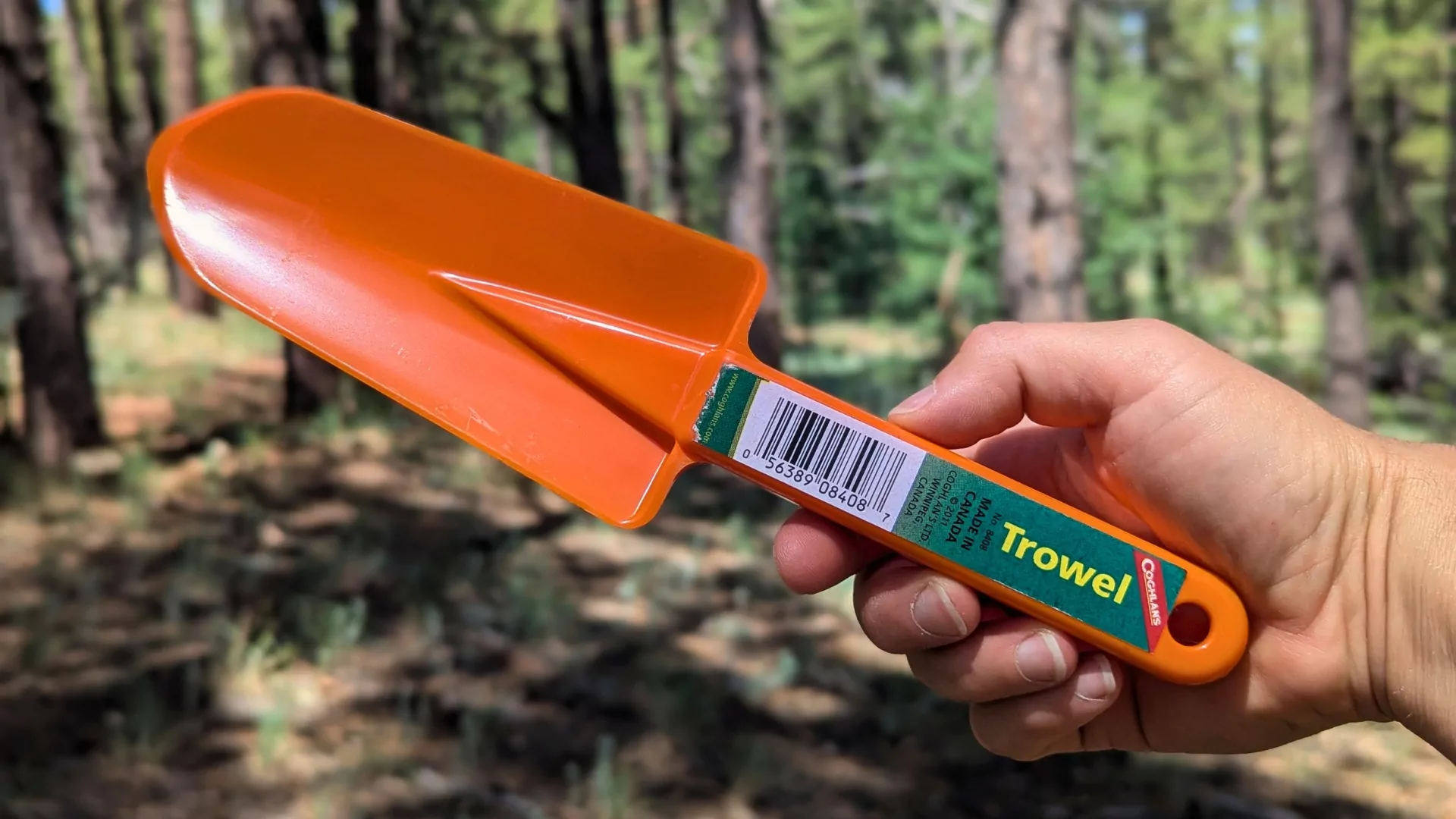
There are a number of light-weight units that make pooping outdoors clear and environment friendly. A small trowel is the basic device for digging a cathole. Many guides want steel trowels as a result of they will break by means of compact soil, however ultralight plastic trowels additionally work properly in softer terrain. Deliver a Ziploc bag to hold out your used bathroom paper as an alternative of burying it, as rodents typically dig it up.
In areas the place burying waste shouldn’t be allowed or not efficient—desert environments, excessive alpine zones, deep snow, or anyplace with fragile soil—wag baggage develop into your important machine. These sanitation kits sometimes comprise a sturdy disposal bag, a gelling agent that neutralizes waste, and a small quantity of bathroom paper (Professional Tip: Deliver additional bathroom paper, as a result of it’s by no means sufficient). Utilizing a wag bag can really feel unfamiliar the primary time, however it’s easy: go instantly into the bag, add the used bathroom paper to the bag, seal it, and pack it out. Verify the native rules for the realm you’ll be climbing in to decide if you’ll be digging catholes or carrying wag baggage.
A couple of different useful units embrace:
A reusable backcountry “bidet” bottle
Hand sanitizer for post-bathroom hygiene
A sealable plastic baggie for storing used bathroom paper to hold out with you
Having the correct units available ensures that pooping outdoors stays secure and low-impact.
learn: Female Hygiene within the Backcountry
Distance: How Far You Ought to Be From Water, Trails, and Camp
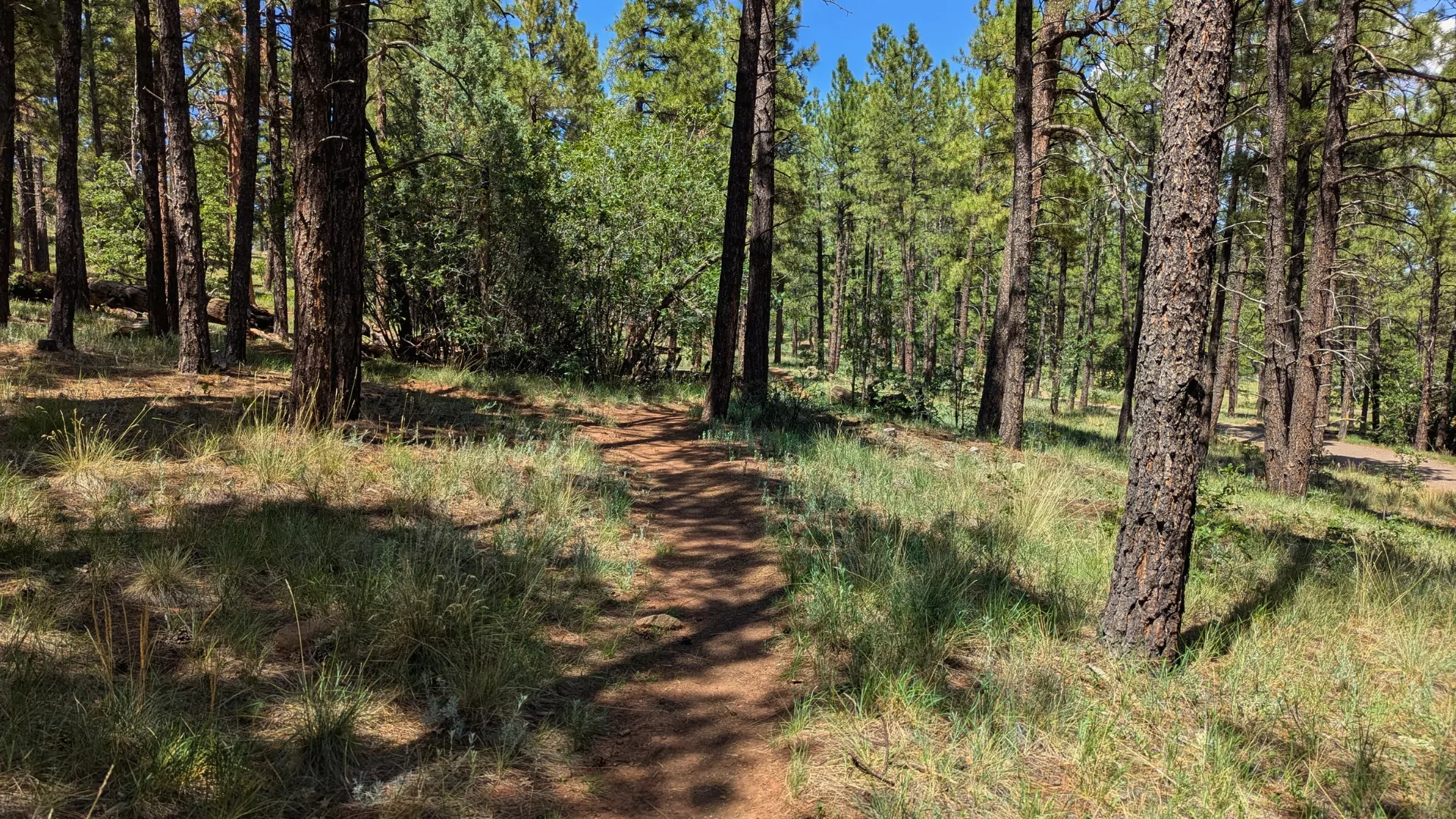
Probably the most essential rules of pooping outdoors is sustaining correct distance. This prevents water contamination, minimizes the possibility of spreading ailments, maximizes decomposition, and addresses the social actuality that no one desires to find another person’s cathole subsequent to the path.
When nature calls, you’ll need to stroll no less than 200ft (70 massive steps) from any water supply to stop human waste from leaching into water programs and 200 ft away from any trails or campsites each for hygiene and wildlife security. These boundaries maintain true throughout virtually all backcountry areas. If you’re in a slender canyon, a small alpine zone, or a area the place it’s unimaginable to be 200ft from water sources, camp, or trails, the right resolution is virtually at all times to make use of a wag bag as an alternative of digging.
Dig: Find out how to Create a Correct Cathole
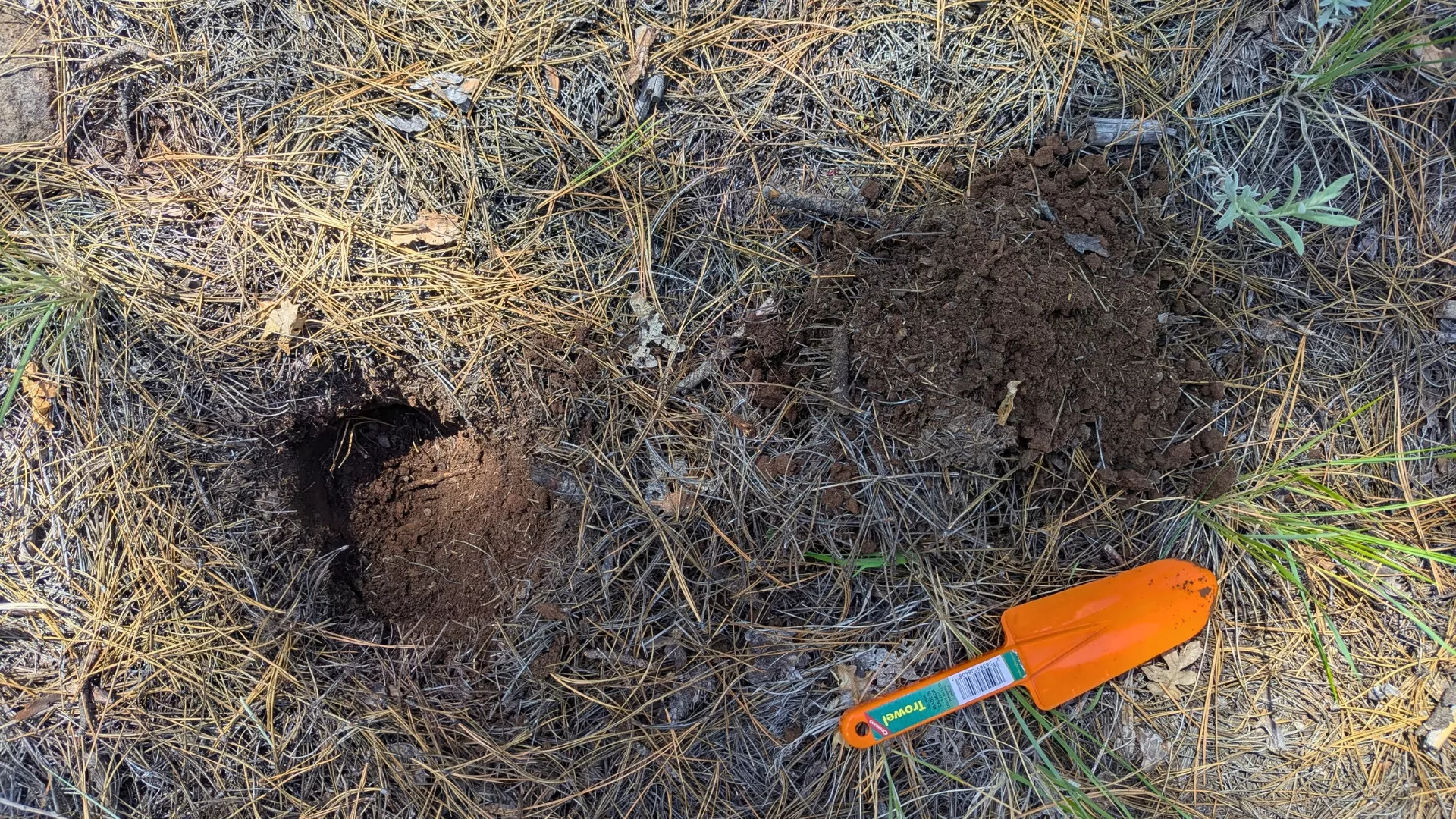
As soon as you’ve discovered an acceptable spot, it’s time to dig. A cathole needs to be created in natural, wealthy soil reasonably than sand, gravel, snow, or barren surfaces if attainable. Natural matter comprises microbes that assist break down human waste far more effectively.
Use your trowel to take away the highest layer of soil gently so it may be changed later. Digging slowly additionally avoids damaging plant roots unnecessarily. A well-constructed cathole blends again into the surroundings as soon as stuffed and coated correctly.
Depth: Why 6 to eight Inches Issues
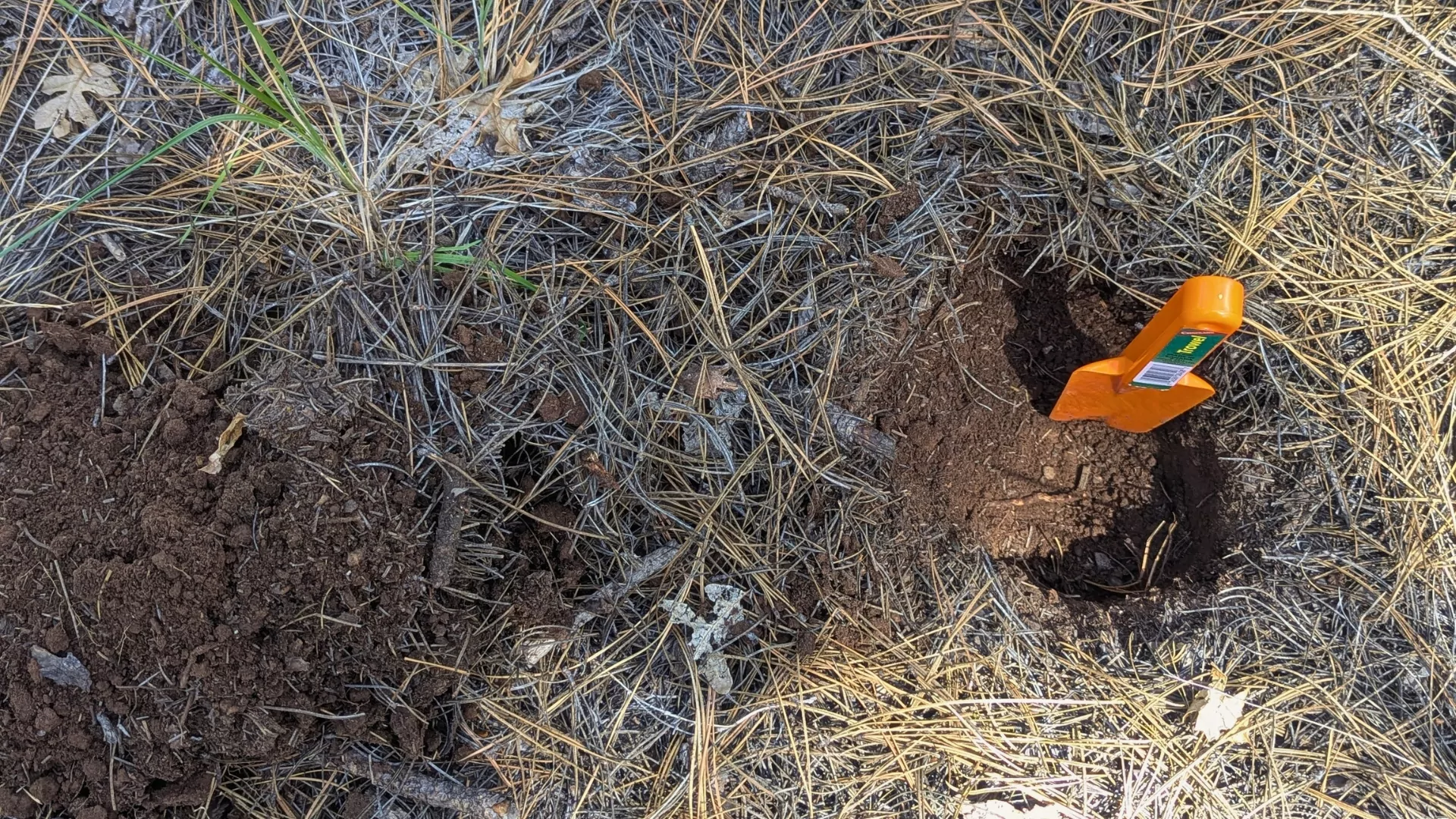
Depth is among the most misunderstood elements of pooping outdoors, however it’s essential. A cathole needs to be 6 to eight inches deep and about 4 to six inches vast. This depth supplies the correct steadiness of microbial exercise: shallow sufficient that organisms can break down the waste, however deep sufficient to stop animals from digging it up.
In the event you dig too shallow, the waste could also be uncovered by erosion. In the event you dig too deep, decomposition slows as a result of the soil has much less oxygen and fewer microorganisms. To examine depth shortly, measure the size of your trowel in advance so you recognize what 6 to eight inches seems to be like when you’re within the backcountry.
Deposit: Find out how to Go and What to Go away Behind
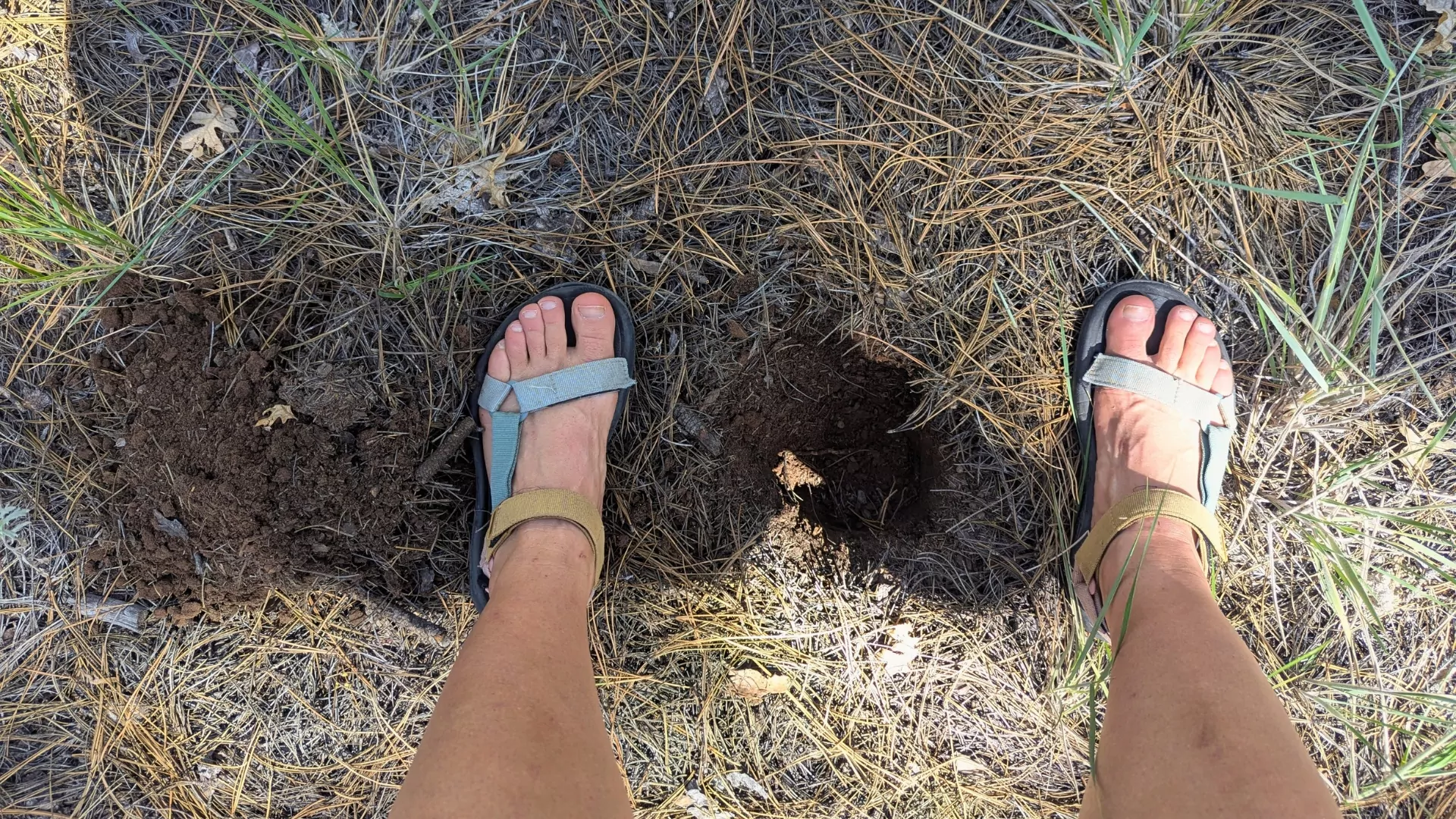
As soon as the outlet has been dug, it’s time to deposit. Place your self over the outlet in a snug squat. After you go, use solely as a lot bathroom paper as you completely want and you should definitely carry a baggie for carrying out your used bathroom paper.
After depositing your waste, stir a small quantity of pure soil into the outlet. This “soil-to-waste contact” improves decomposition. When you’re completed, return the unique high layer of soil and pure supplies, disguising the positioning fully.
Disinfect: Clear Fingers Hold Everybody Wholesome
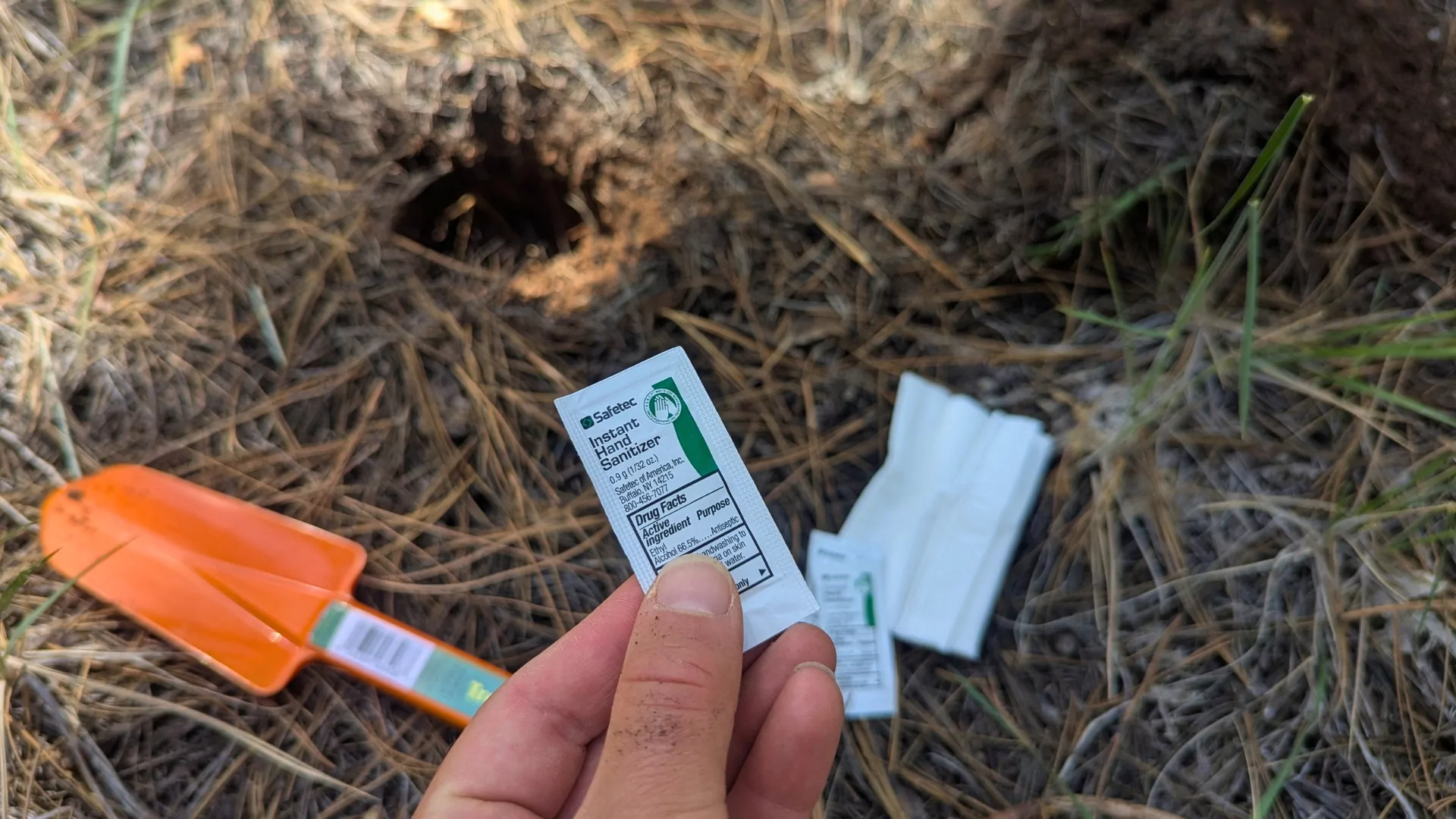
As soon as you’ve completed pooping outdoors, disinfect your fingers with sanitizer or wash with cleaning soap and water instantly after dealing with bathroom paper. A travel-size hand sanitizer bottle weighs virtually nothing and eliminates the unfold of micro organism, defending each you and your companions. Some hikers additionally carry a small bottle of biodegradable cleaning soap to make use of removed from water sources. In the event you select this methodology, ensure to comply with the identical 200ft distance rule when hand washing.
Disseminate: Share the Data and Lead by Instance
The ultimate D—disseminate—is all about training. As an skilled hiker, main by instance is among the strongest methods to advertise accountable pooping outdoors practices. Educate learners the best way to dig a correct cathole, clarify why distance issues, and show the best way to use a wag bag when circumstances require it.
Not all landscapes are the identical. In arid environments, waste by no means breaks down correctly. In excessive alpine zones, there’s little soil to dig into. In slender river corridors, all human waste have to be packed out in a Waste Assuaging and Gelling or “WAG” bag. A resealable plastic bag designed to stabilize and deodorize stable human waste for secure containment and finishing up of the wilderness.
Disseminating correct data helps hold ecosystems wholesome and ensures that everybody who travels by means of wild locations is aware of the best way to defend them.
learn: How When and The place to make use of a Wag Bag
Closing Ideas: Respect the Locations You Love
Pooping outdoors is a part of the wilderness expertise. When completed properly, it protects water sources, prevents air pollution, and upholds the Go away No Hint ethic. It’s a easy observe constructed on a number of key rules: recognizing the need early, utilizing the correct units, touring the right distance from delicate areas, digging successfully, burying waste on the acceptable depth, depositing responsibly, disinfecting afterward, and disseminating good data. With these instruments and practices, you’ll be able to navigate pooping outdoors with confidence and assist hold the backcountry pristine for future adventurers.


