

A standard dilemma when deciding on a sleeping pad for backpacking or thru-hiking is deciding between a closed-cell foam pad and an inflatable one. Each varieties have execs and cons, and which you select actually relies on your particular person desire. However there are positively concerns to bear in mind when making this alternative, which we’ll dive into under.
What’s a foam pad sleeping pad?
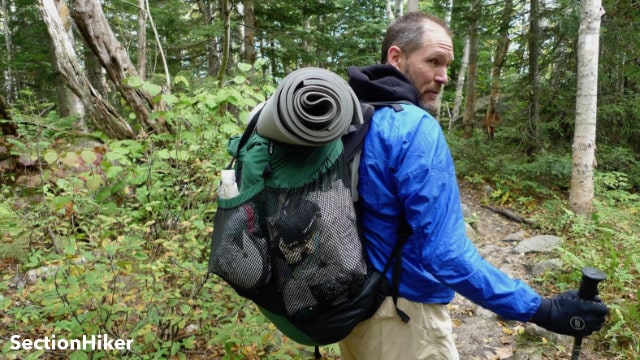
A foam pad is manufactured from closed-cell foam, a dense foam with tiny pockets of air. You’ll see hikers carrying these outdoors of their packs, normally strapped to the highest. Closed-cell foam pads are light-weight however cumbersome, and normally have a decrease R-value than inflatable pads. Some fold up like an accordion, which makes them extra compact and simpler to hold, whereas others roll up. They’re tremendous handy and don’t take any effort to inflate at evening, however they aren’t as comfortable to sleep on. They’re extremely sturdy, although, so that you received’t have to fret about popping them.
What precisely is an inflatable sleeping pad?
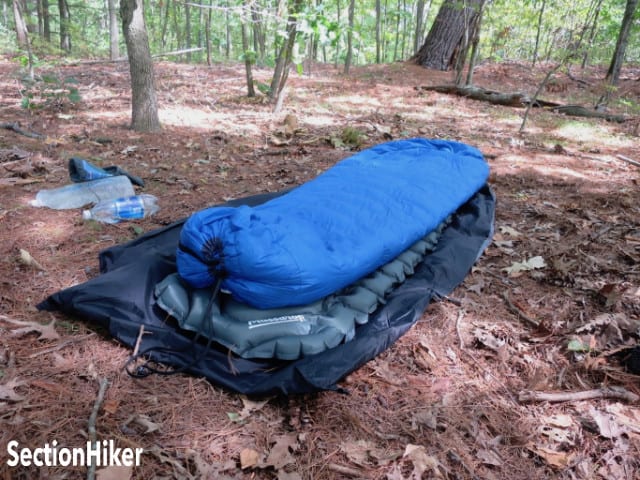
An inflatable pad consists of a shell materials and light-weight insulation or a reflective materials on the inside that will increase safety from the chilly floor. They roll up into small cylinders that may be as small as a 32 oz. Nalgene bottle, and tuck simply right into a pack. They have to be inflated each evening and deflated within the morning, and aren’t as sturdy as a foam pad, however are hotter and infrequently extra snug.
The best way to Select
Worth
Foam sleeping pads are a lot inexpensive than inflatable pads. The preferred foam pads (regular-sized) are between $45 and $ 50, whereas the favored inflatable pad fashions are between $150 and $200. Inflatable pads use higher-tech, pricier supplies and are additionally extra advanced to fabricate. Should you’re on a funds, a closed-cell foam pad is your finest wager.

Sturdiness
One of many largest variations between foam and inflatable sleeping pads is sturdiness. Should you plan to cowboy camp on naked floor, significantly within the desert, it’s essential to be careful for sharp rocks and abrasions that would puncture an inflatable pad. However popping is much less seemingly for those who at all times plan to sleep in a tent or a shelter on the path. This doesn’t imply you don’t have to be cautious, however most tent websites received’t destroy your inflatable pad.
Heat
Should you plan to hike in early spring or late fall, it could possibly get very chilly at proper in numerous areas. Many foam pads have a most R-value of about 2.2, which won’t maintain you heat sufficient if the temperature drops close to freezing. When it will get this cool, you’ll need to swap to a sleeping pad with a better R-value within the 4 to five vary. If it’s snowing or the bottom is frozen, you’ll need a pad with an R-value of 5 to six.
Consolation
A foam pad is thinner and doesn’t have the identical cushioning on exhausting surfaces. Aspect sleepers usually want the additional padding from a number of inches of an inflatable pad over the skinny sleeping floor of a foam pad. Should you sleep largely in your abdomen or again, you’ll seemingly be tremendous with the thinner foam pad. Aspect sleepers have a smaller floor space of their our bodies in touch with the bottom, which creates harsher strain factors on the hips and knees. The NEMO Switchback foam pad, for instance, is barely 0.9 inches thick, whereas the NEMO Eclipse inflatable pad is 4 inches thick, offering far more cushioning.
A number of Makes use of
Hikers like to throw their foam pads onto a rock for a snack break, and so they unfold shortly to offer a seat outdoors the tent at camp. Not solely is an inflatable pad not prime for rock sitting, however you’re additionally most likely not going to need to blow it up greater than as soon as a day.
Packability
A foam pad has to sit down on the highest of your pack, and also you’re caught with the whole width, which may make tight squeezes on the path a ache within the butt. The inflatable pad rolls right down to a good cylinder and might match within the outdoors mesh of your pack or be wedged into an open half in the primary physique of your pack.
Stage of Effort
It may well take effectively over a dozen breaths to inflate the favored Therm-a-Relaxation NeoAir XLite NXT. After a protracted day of climbing, that’s usually the very last thing you need to do. You would possibly end up watching the opposite hikers at camp unfold their foam sleeping pad, throw it into their tent, and be asleep when you’re nonetheless getting lightheaded from inflating your sleeping pad. That mentioned, there are many choices on the market that don’t take the 30 breaths of a NeoAir and increasingly more inflatable pads are bundled with inflation sacks that do the give you the results you want.
The Backside Line
Foam sleeping pads are finest utilized in hotter climate or when it’s important to sleep on a extremely abrasive floor that may puncture an inflatable pad. Whereas foam pads can be utilized in a number of methods, many individuals want an inflatable pad as a result of it supplies extra consolation and heat and packs down smaller. You too can carry each, which is what many winter hikers do: an inflatable pad for further heat and a foam pad for sitting on snow and to be used as an emergency backpack in case your inflatable pad is punctured.
To summarize:
Foam sleeping pads are:
A lot much less expensiveMore snug for again sleepersRequire nearly no effort to set upCan be utilized in a number of methods (sleeping, sitting, and so forth)
Inflatable sleeping pads are:
Hotter for colder weatherMuch smaller to packMore snug for facet sleepers
For a good deeper dive into sleeping pads, try the ten Finest Backpacking Sleeping Pads and Sleeping Pad R-Values.
SectionHiker by no means accepts cost for gear evaluations or editorial protection. Once you purchase by way of affiliate hyperlinks on our website, we could earn a small fee at no further price to you. Assist us proceed to check and write unsponsored and unbiased gear evaluations, climbing and backpacking FAQs, and free climbing guides.


