

Could 22, 2019 – Garrison, NY
Issue: Reasonable – Strenuous
Size: Roughly 4 miles
Max elevation: 910 ft. – whole elevation achieve: roughly 773 ft.
Route kind: Out and again (partial loop)
Map: East Hudson Trails Map #101 – Free Map
Trailhead parking: 94 South Mountain Move Highway – Garrison, NY 10524 (A 3-4 automobile lot and a large shoulder is out there for parking the place the AT crosses South Mountain Move Highway).
Particulars on hikes to Anthony’s Nostril by way of completely different routes:
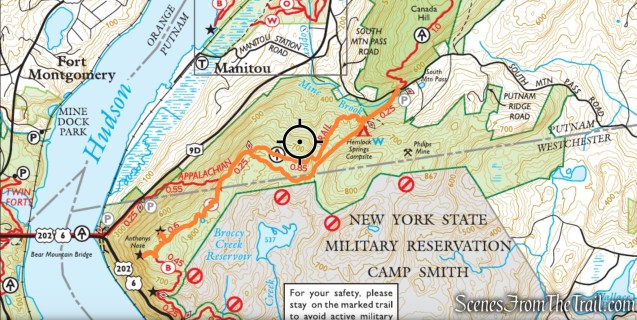
Please Word ~ This hike is adjoining to the Camp Smith Navy Reservation, and hikers should keep on the marked path always.
Overview:
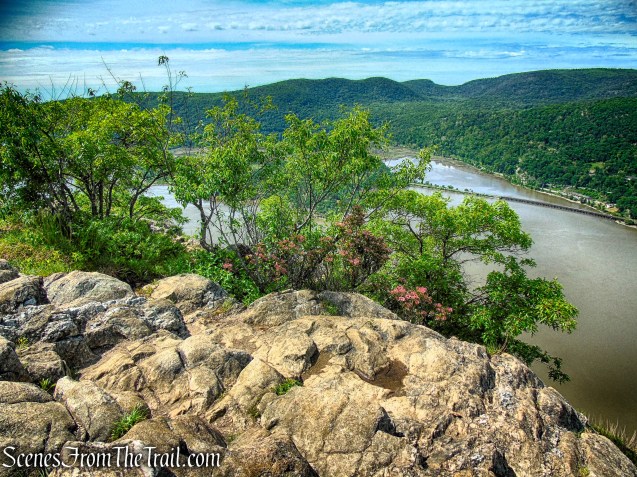
Anthony’s Nostril is without doubt one of the most iconic and recognizable peaks within the Hudson Highlands, rising prominently above the jap shore of the Hudson River by the Bear Mountain Bridge. Recognized for its dramatic rocky overlooks and sweeping river views, the mountain has turn into one of the crucial standard climbing locations within the Decrease Hudson Valley. From its uncovered ledges, hikers are rewarded with expansive panoramas of the Hudson River, the Bear Mountain Bridge, Bear Mountain State Park, and the encircling forested ridges of the Highlands.
A number of trails result in Anthony’s Nostril, together with routes by way of the Appalachian Path, the Camp Smith Path, and shorter approaches from Route 9D. Whereas some routes are comparatively quick, the terrain is commonly rugged and rocky, that includes steep climbs, uncovered bedrock, and uneven footing attribute of the Hudson Highlands. The mountain’s open rock outcrops and dramatic elevation above the river create a way of publicity not often discovered so near New York Metropolis.
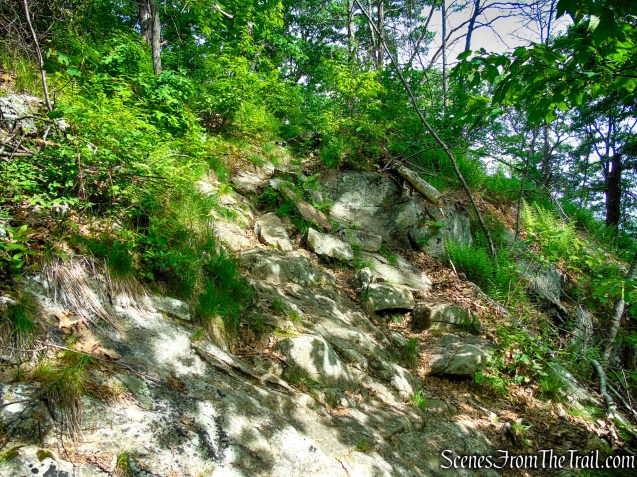
The summit space consists of broad slabs of uncovered stone dotted with low vegetation, including to the mountain’s rugged character. Whether or not approached as a fast scenic hike or as a part of an extended traverse by means of the Highlands, Anthony’s Nostril gives among the best and most memorable views within the area.
Historical past:
Anthony’s Nostril has an extended historical past tied to the early settlement and folklore of the Hudson Valley. The mountain’s uncommon identify is often believed so far again to the Dutch colonial period, when early settlers supposedly named the distinguished rocky peak after a person named Anthony whose nostril was mentioned to resemble the mountain’s rounded profile. One standard legend attributes the identify to “Anthony Hogan,” a Dutch sailor related to the close by Hudson River, although a number of variations of the story exist and the true origin stays unsure.
Due to its commanding place excessive above the Hudson River, Anthony’s Nostril has lengthy served as a pure landmark for vacationers transferring by means of the slim Hudson Highlands hall. Through the colonial interval and the American Revolution, the encircling Highlands had been strategically vital as a result of management of the Hudson River was important to transportation and navy operations between New England and the remainder of the colonies. Close by places resembling West Level and Fort Montgomery performed main roles within the protection of the river.
Within the late nineteenth and early twentieth centuries, the Hudson Highlands grew to become more and more standard with hikers, vacationers, and outside golf equipment drawn by the dramatic surroundings overlooking the river. Trails had been progressively established throughout the mountain, ultimately changing into a part of bigger path methods together with the Appalachian Path and the Camp Smith Path community. The development of the close by Bear Mountain Bridge in 1924 additional elevated accessibility to the realm and helped set up Anthony’s Nostril as one of many Hudson Valley’s best-known scenic overlooks.
At the moment, Anthony’s Nostril stays one of the crucial visited climbing locations within the Decrease Hudson Valley, valued each for its panoramic views and for its place inside the lengthy cultural and pure historical past of the Hudson Highlands.
Trails Overview:
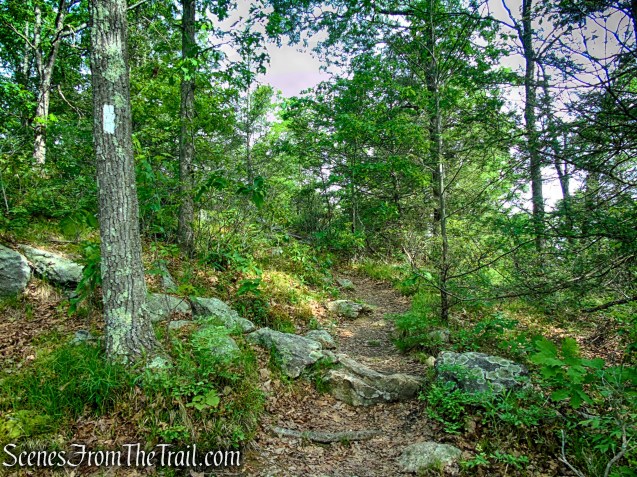
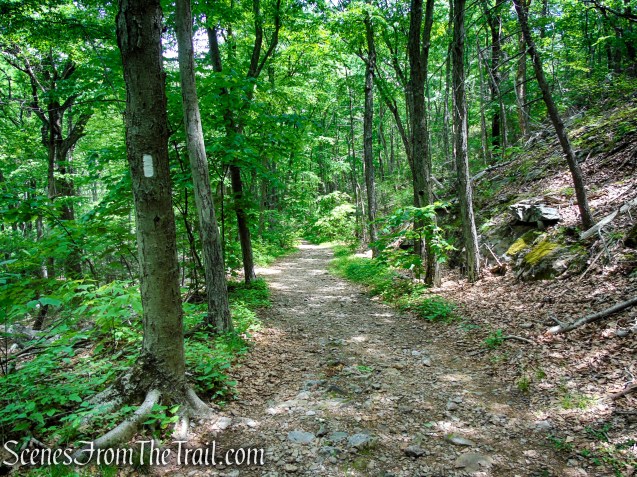
Appalachian Path (1.85-mile) ~ This white-blazed path is nicely marked and straightforward to observe. The AT options a number of quick however steep descents and climbs, although it’s typically a barely simpler strategy than the route from Route 9D. It’s nonetheless a rugged hike, nonetheless, with rocky and uneven terrain all through. Between the woods roads, the path narrows to a conventional footpath that winds by means of the forested mountainside.
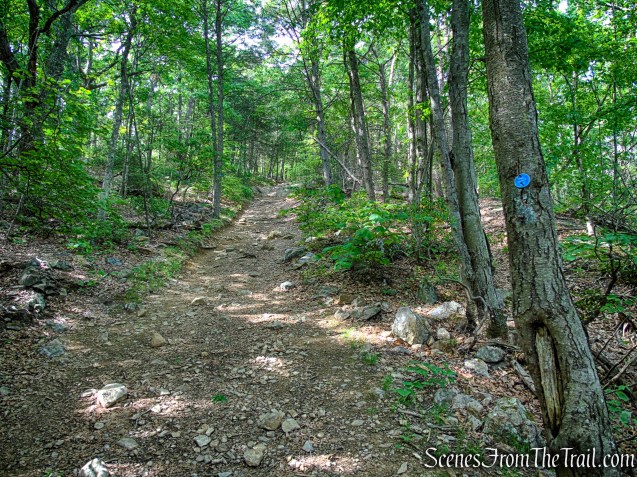
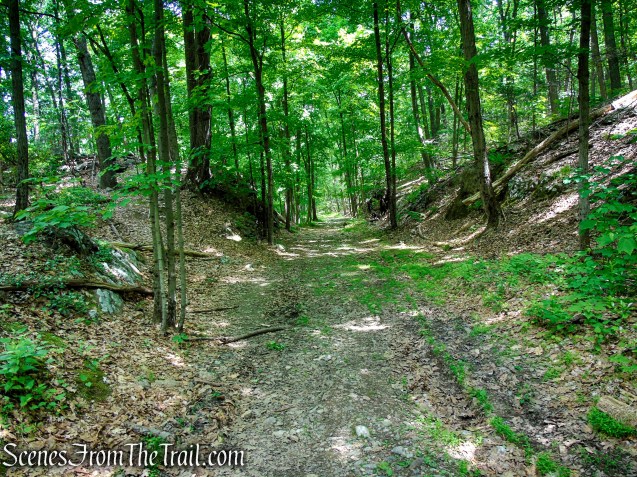
Camp Smith Path (1.3 miles) ~ This blue-blazed path is nicely marked and follows a large woods highway. The highway is extraordinarily eroded and fairly rocky.
Navy Highway (1 mile) ~ is an unmarked rocky woods highway that heads north towards South Mountain Move, passing by means of a quiet, wooded hall between Anthony’s Nostril and Mine Mountain. At the moment, it serves as a tough, flippantly maintained entry route utilized by hikers and Camp Smith personnel. Its gentler grades and wider tread make it a extra average return route following an in any other case rugged hike.
Parking:
There’s a small gravel lot (suits 3-4 vehicles) and out there shoulder parking alongside the south facet of South Mountain Move Highway, proper the place the Appalachian Path crosses the highway.
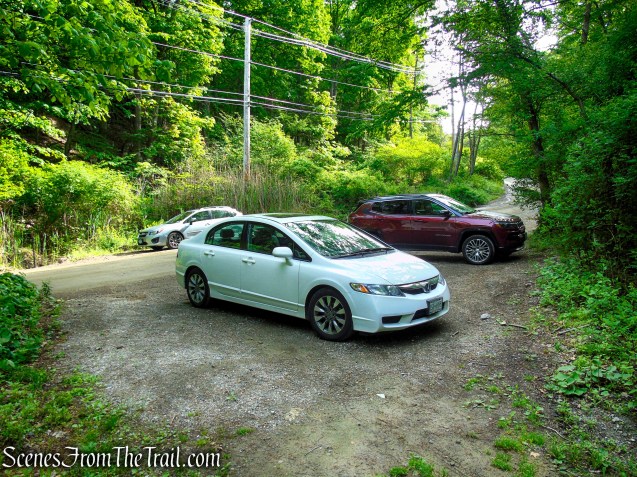
There’s a porta-potty situated by the parking space.
Hike Overview:
I first did this hike in February 2019, with snow masking the paths and the Hudson Highlands locked in winter stillness. Seven years later, I lastly returned to revisit the route, experiencing the identical rugged terrain and sweeping views below solely completely different situations.
This can be a lesser-used route than the extra standard strategy from Route 9D, although it’s not considerably simpler. Whereas the grades are considerably extra average total, the rugged terrain, rocky footing, and repeated elevation adjustments nonetheless make for a difficult hike.
With parking restricted on the South Mountain Move Highway trailhead, the northern finish of this hike tends to see fewer hikers, providing a quieter and extra secluded expertise in comparison with the extra standard Route 9D strategy.
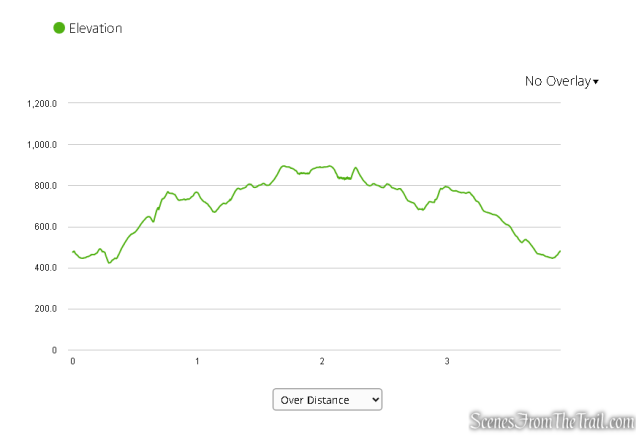
This reasonably strenuous hike is almost 4 miles lengthy, with roughly 800 ft of elevation achieve.
As proven within the elevation profile under, this 4-mile hike options frequent ups and downs all through, with repeated climbs and descents that add to its rugged character.
The Hike:
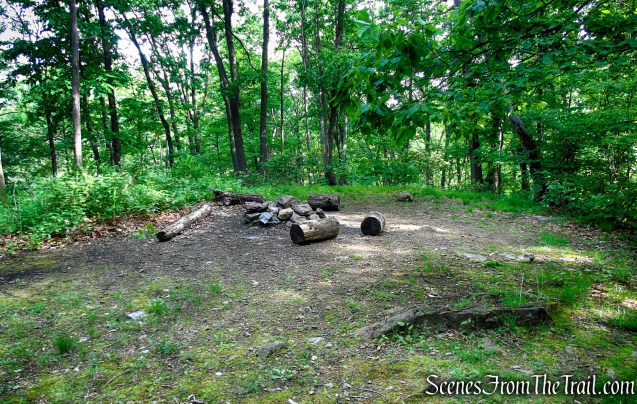
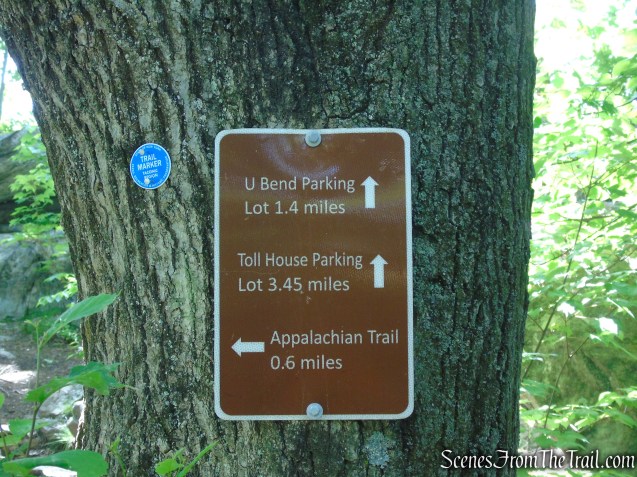
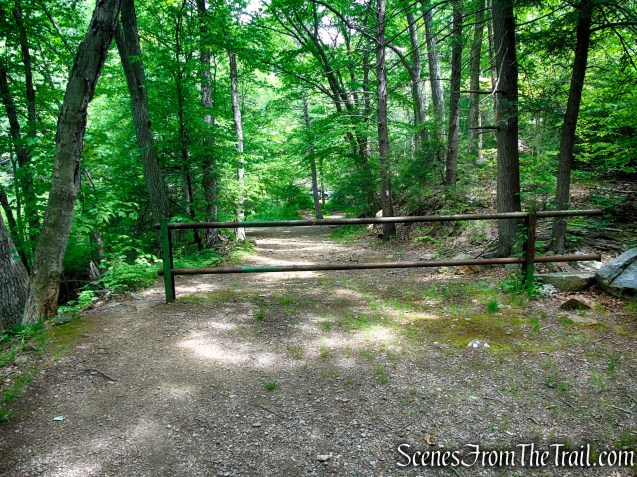
From the parking space, stroll west a brief distance and search for the white blazes marking the Appalachian Path crossing on South Mountain Move Highway. Flip left and head south on the AT because it follows a woods highway previous a gate. After roughly 1,000 ft, the white-blazed path turns proper on the Hemlock Springs Campsite, leaving the woods highway behind. Proceed following the Appalachian Path because it descends steeply into the wooded clove between Anthony’s Nostril and Mine Mountain.
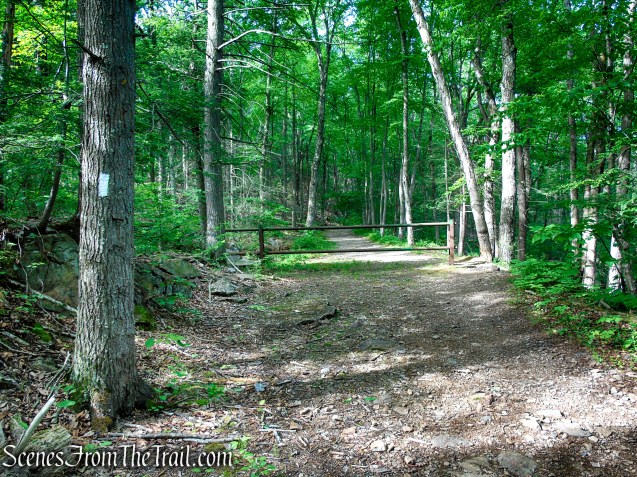
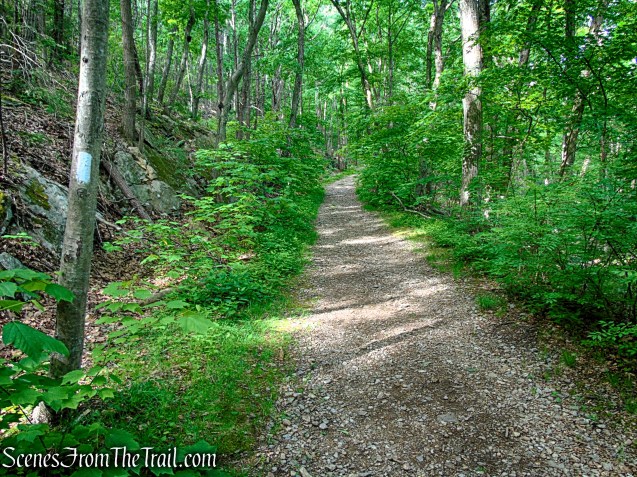
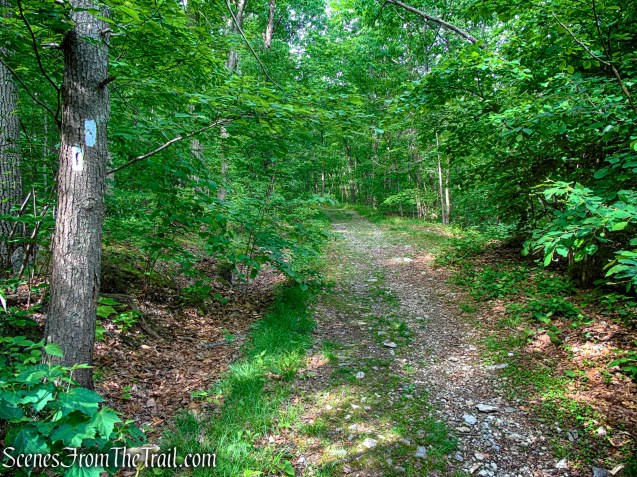
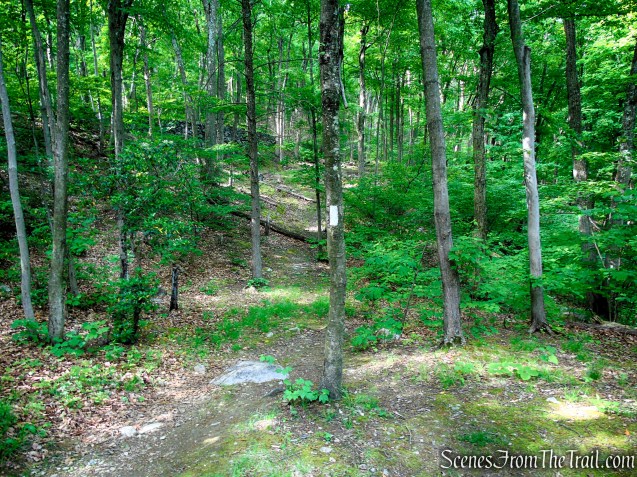
The Appalachian Path quickly begins climbing the north face of Anthony’s Nostril on a average grade earlier than progressively steepening because it ascends the rugged mountainside. After a quick leveling part, the path resumes its climb over rocky and uneven terrain. Alongside this stretch, the slim footpath winds by means of dense thickets of mountain laurel, whose shiny evergreen leaves body the path and create a sheltered woodland hall beneath the forest cover.
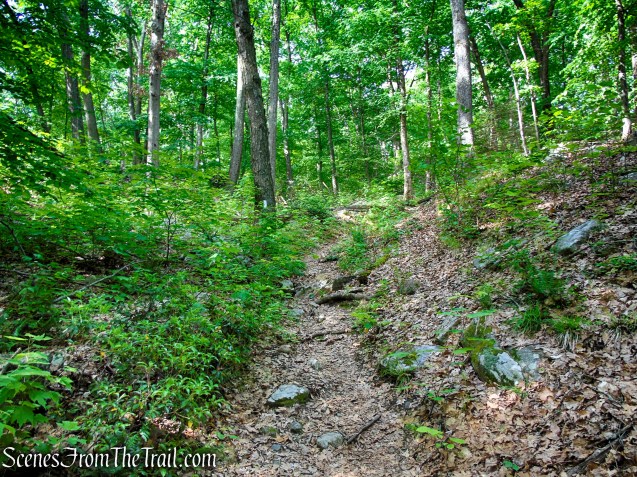
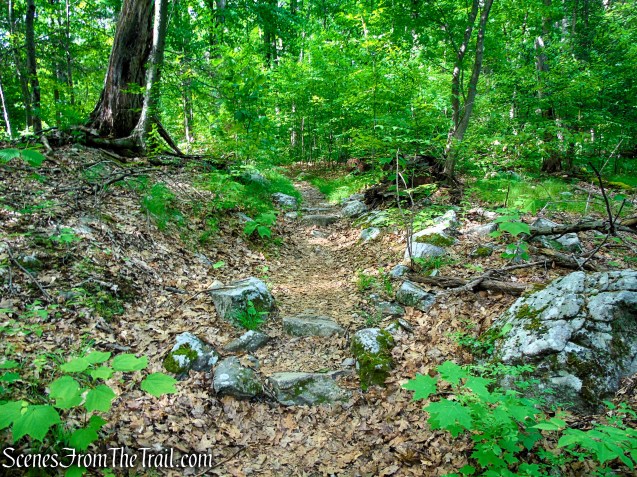
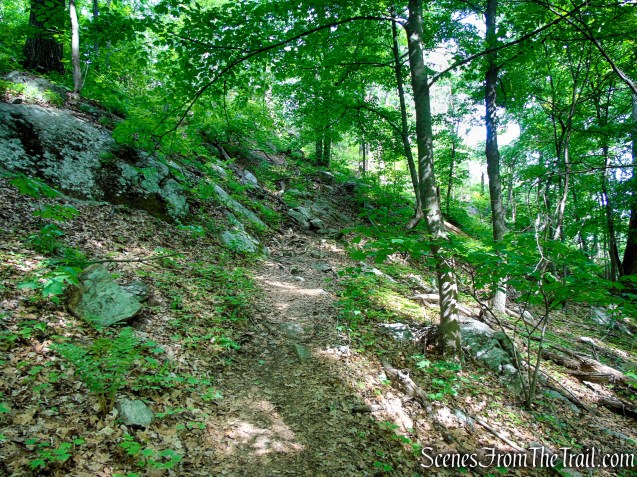
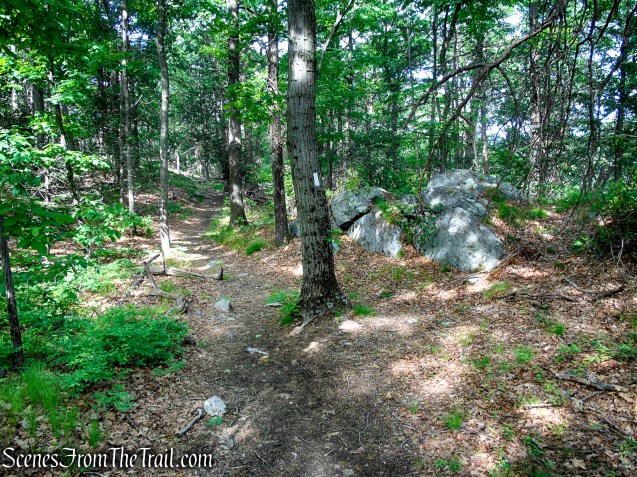
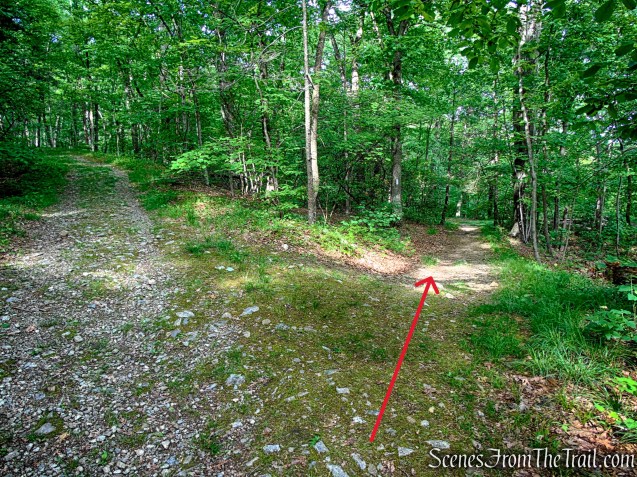
After practically a mile, the path turns sharply proper onto an outdated woods highway and begins a reasonably steep descent. About 350 yards later, the white-blazed Appalachian Path leaves the woods highway on the precise and drops steeply towards Route 9D by means of rugged, rocky terrain.
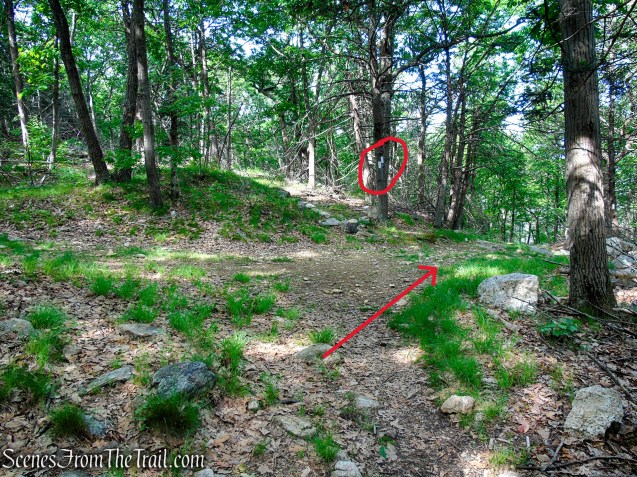
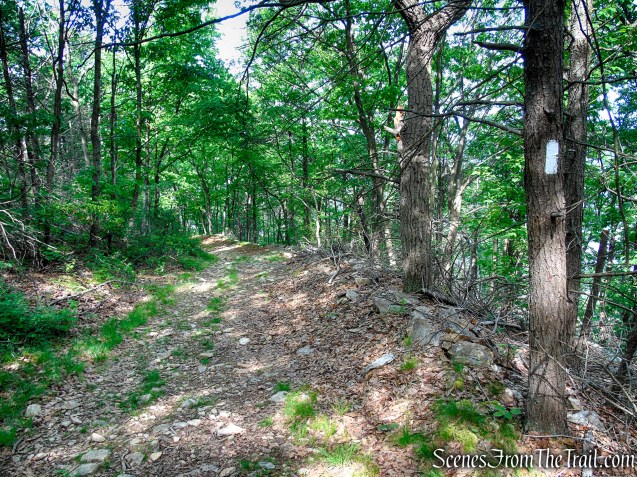
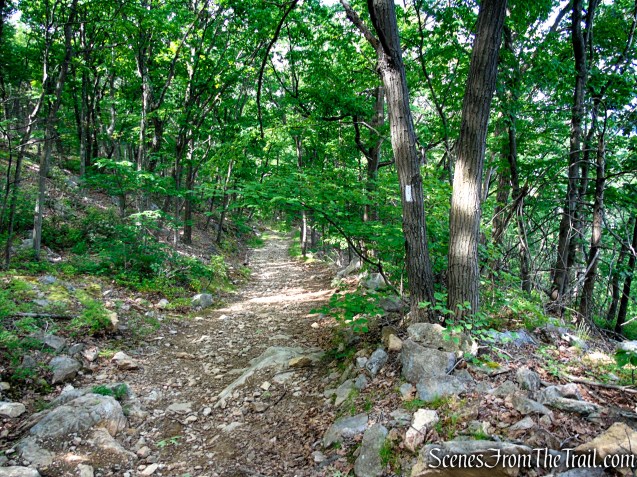
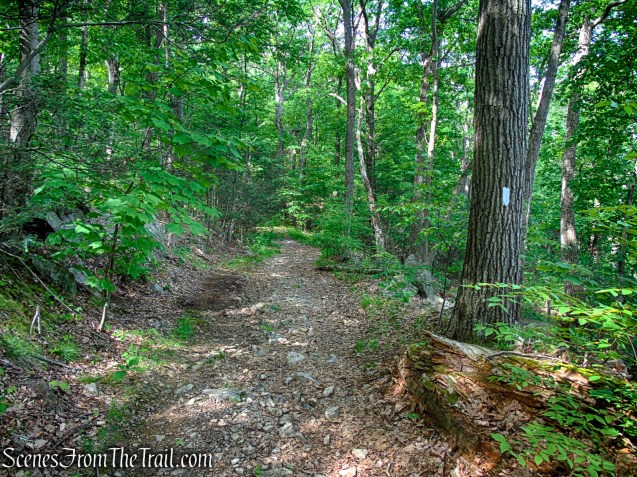
When the white-blazed Appalachian Path turns proper, proceed straight forward on the woods highway, now following the blue blazes of the Camp Smith Path because it continues alongside the identical rocky, eroded roadway.
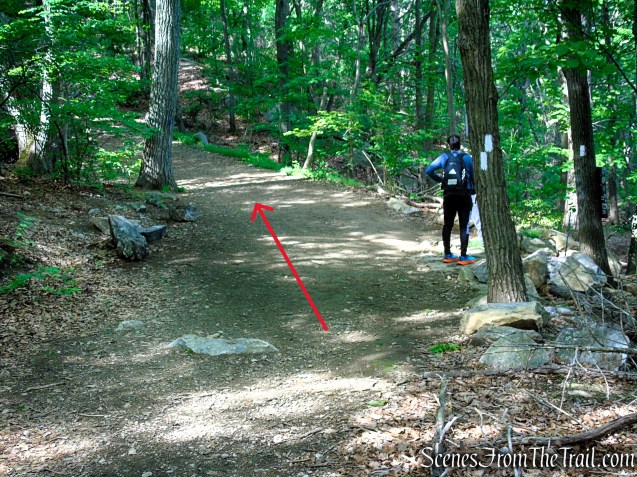
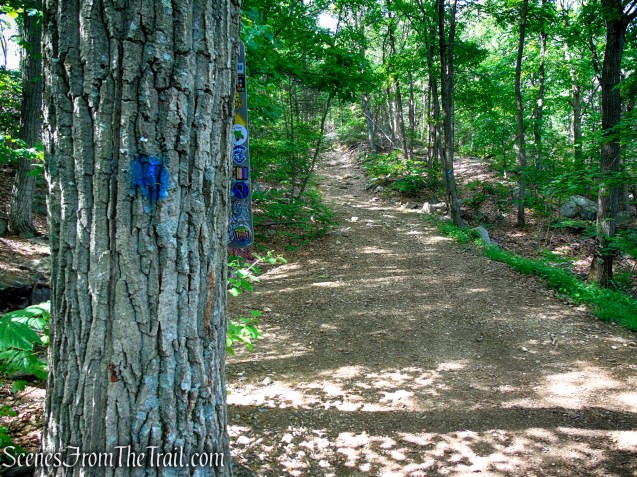
The blue-blazed Camp Smith Path climbs at a reasonably steep grade, although not fairly as aggressively as the sooner part of the Appalachian Path. After a brief ascent, the path briefly ranges off because it passes a small pond on the left. Past the pond, the Camp Smith Path resumes its regular climbs over rocky terrain because it continues south towards the principle viewpoint atop Anthony’s Nostril.
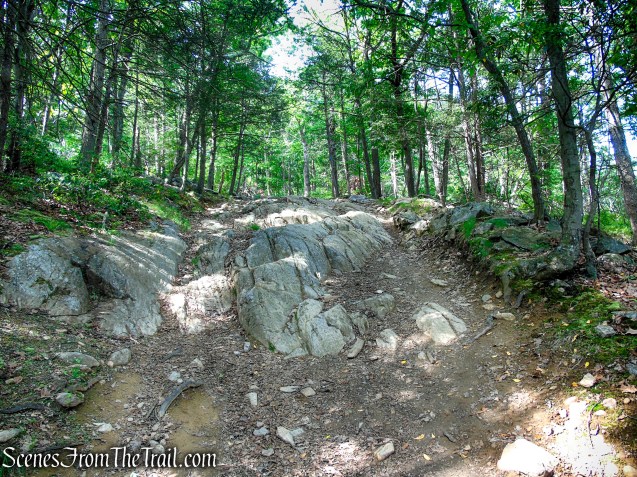
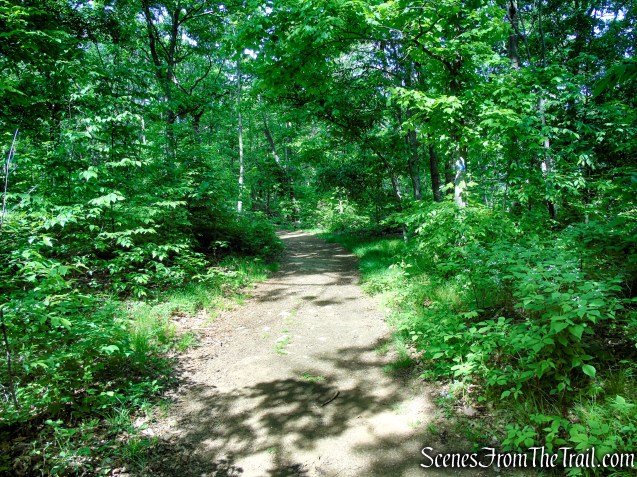
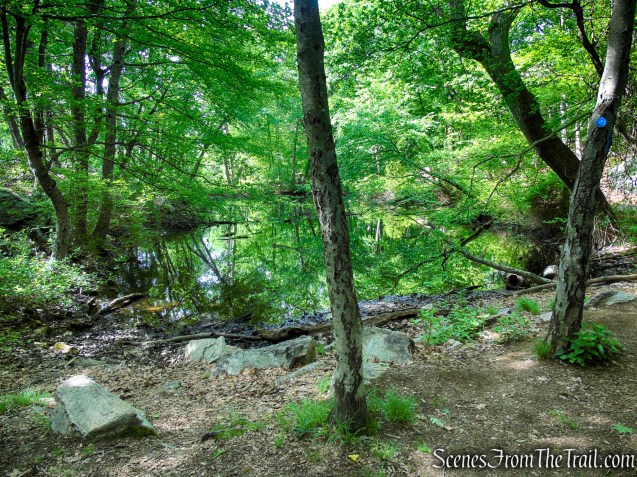
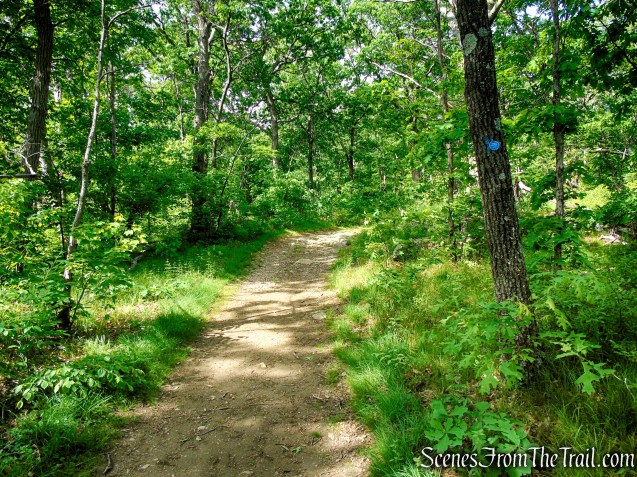
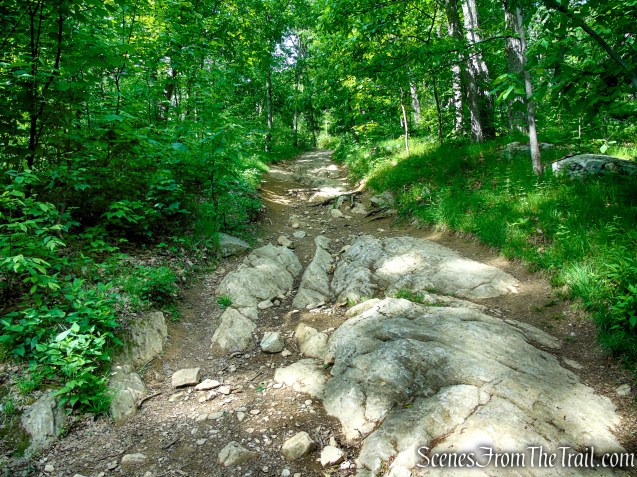
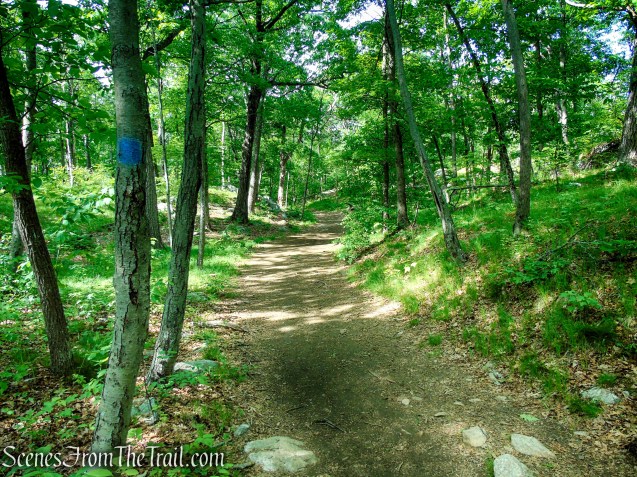
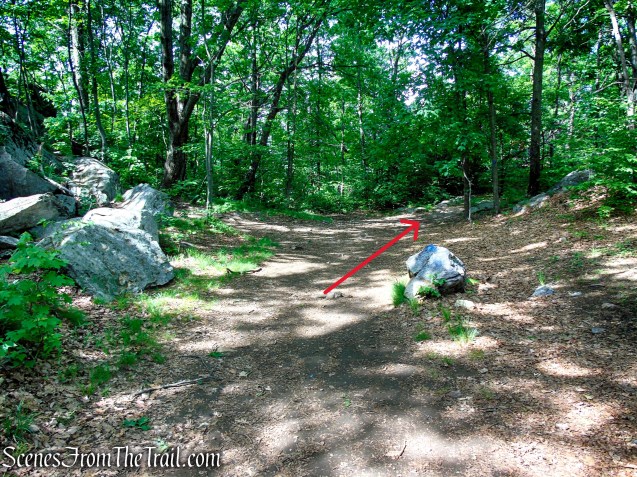
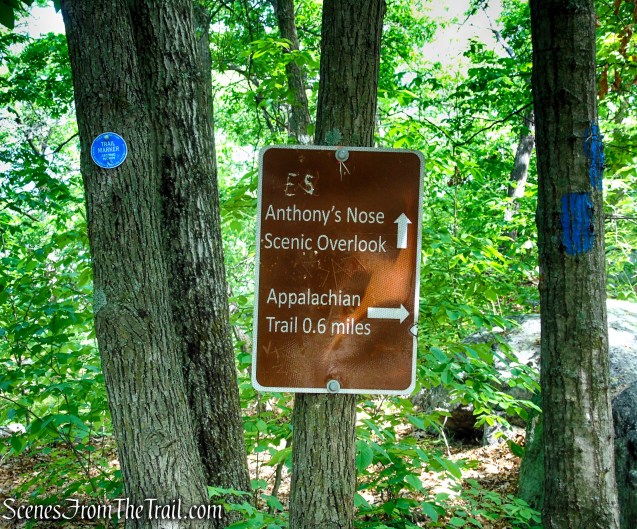
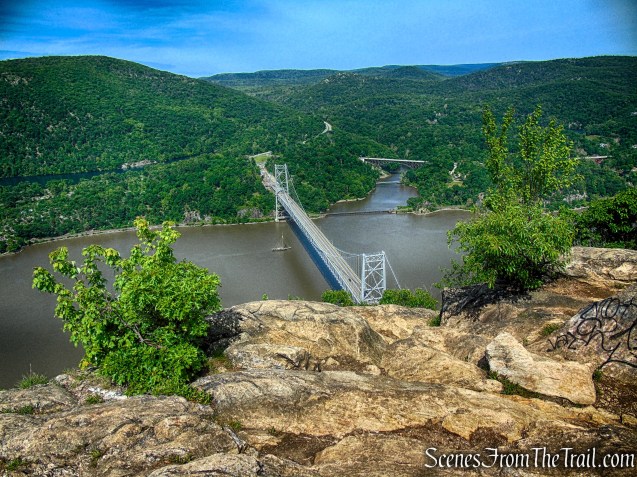
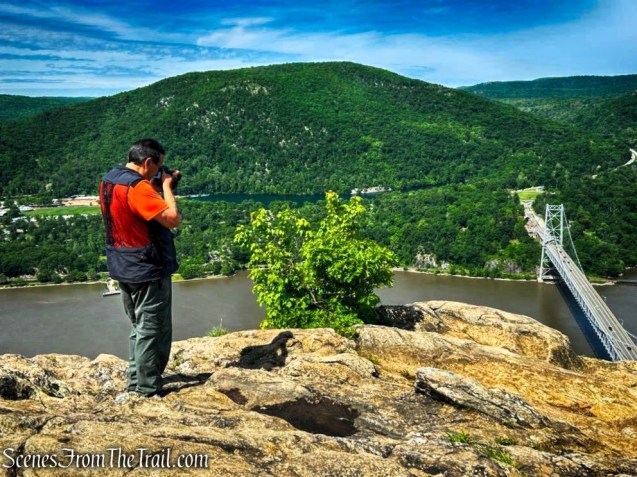
Proceed following the blue blazes and, about 0.6 mile from the junction with the Appalachian Path, the blue-blazed Camp Smith Path turns left and climbs a brief rocky cliff. Right here, flip proper and proceed alongside the woods highway towards a big uncovered rock outcrop that gives panoramic views of the Hudson River, the Bear Mountain Bridge, and the rugged hills of Bear Mountain State Park and Harriman State Park.
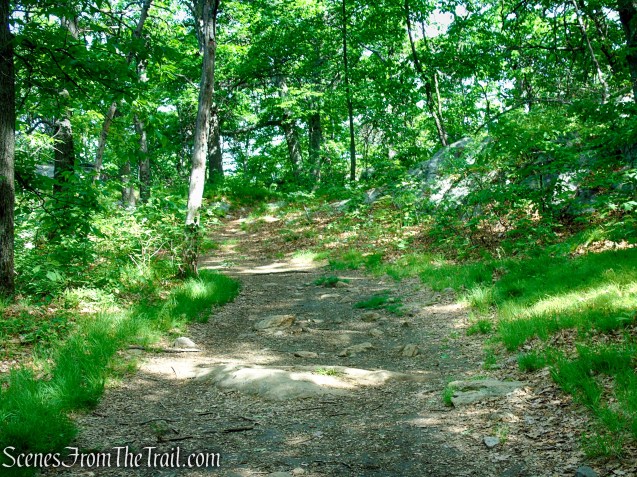
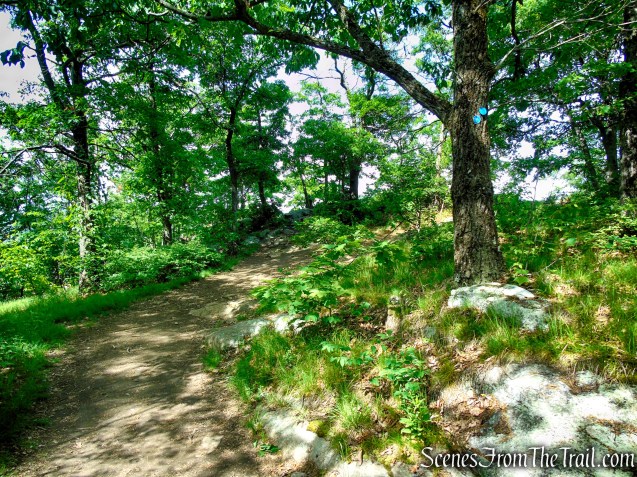
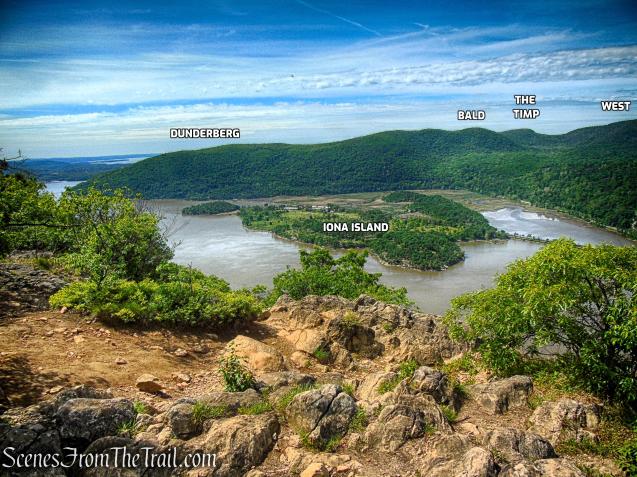
From Anthony’s Nostril, the view southwest stretches throughout the Hudson River towards Iona Island and the rolling, forested hills of Bear Mountain State Park, the place layered ridgelines rise past the river in traditional Hudson Highlands surroundings.
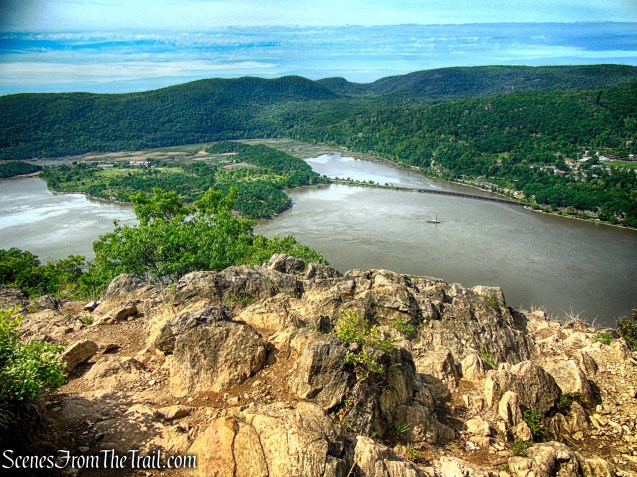
Trying west, the huge slopes of Bear Mountain dominate the panorama past the Hudson River, whereas Hessian Lake rests quietly on the foot of the mountain far under.
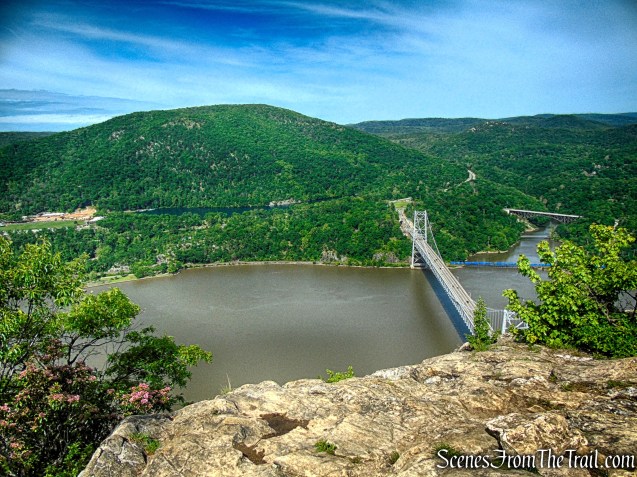
Trying northwest, the Route 9W Popolopen Creek Bridge and the Popolopen Creek Footbridge span the dramatic chasm of Popolopen Gorge, also referred to as Hell Gap. Past the gorge rise the rugged northern hills of Bear Mountain State Park and the historic grounds of West Level alongside the western shore of the Hudson Highlands.
Southwest view from Anthony’s Nostril, with a number of peaks and ridgelines of Bear Mountain State Park labeled throughout the Hudson River.
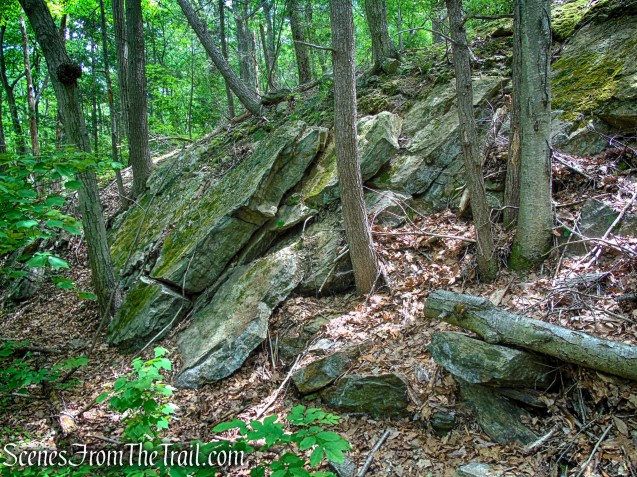
Anthony’s Nostril consists predominantly of Canada Hill Granite, a sturdy medium-to coarse-grained granite that types the mountain’s rugged cliffs, uncovered ledges, and rocky summit outcrops. Thriving within the mountain’s skinny, acidic soils, dense patches of mountain laurel line most of the trails, and on the viewpoint. Their shiny evergreen leaves and seasonal blooms making a placing distinction towards the weathered granite of the Hudson Highlands.
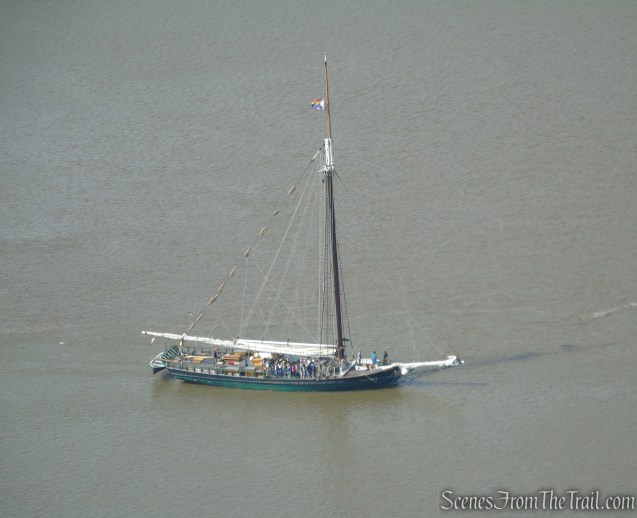
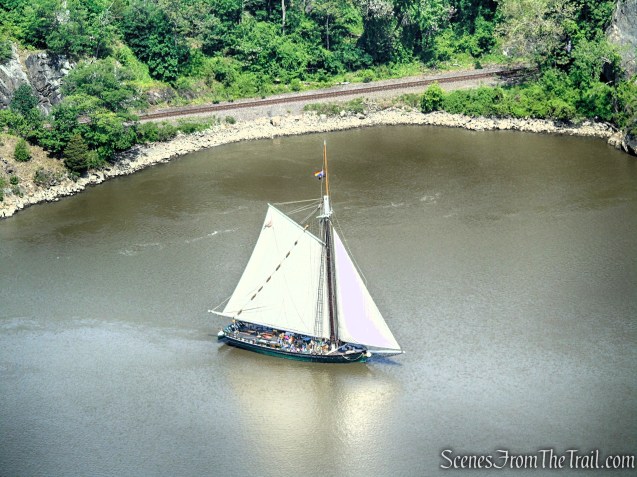
The historic Hudson River Sloop Clearwater rested peacefully on the river with its tall picket masts rising above the water. A short while later, it raised its sails and glided beneath the long-lasting Bear Mountain Bridge, making a timeless scene towards the backdrop of the Hudson Highlands.
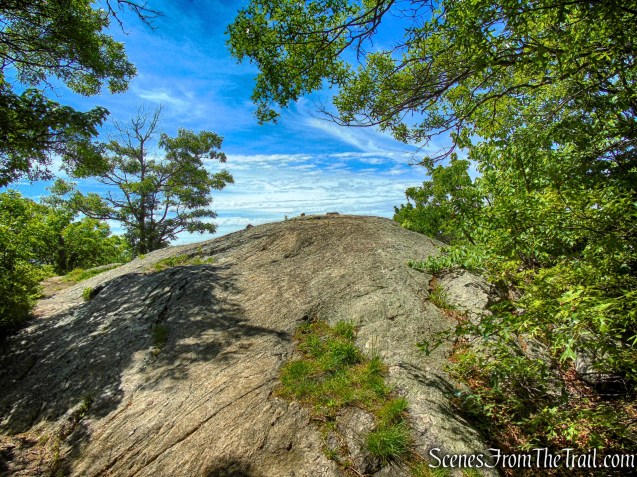
When you find yourself performed having fun with the views, retrace your steps, crossing the woods highway that you just took up right here and observe the blue blazes as they climb a rock ledge to the summit of Anthony’s Nostril. From the summit there are each seasonal and year-round views from open rock slabs.
The true summit of Anthony’s Nostril.
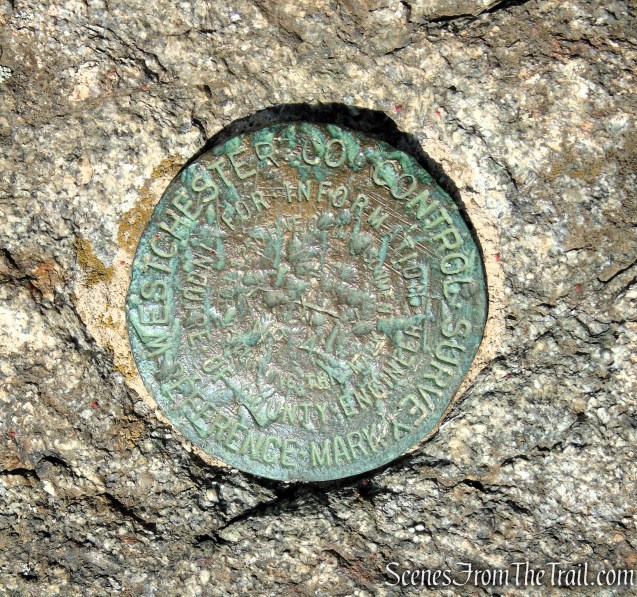
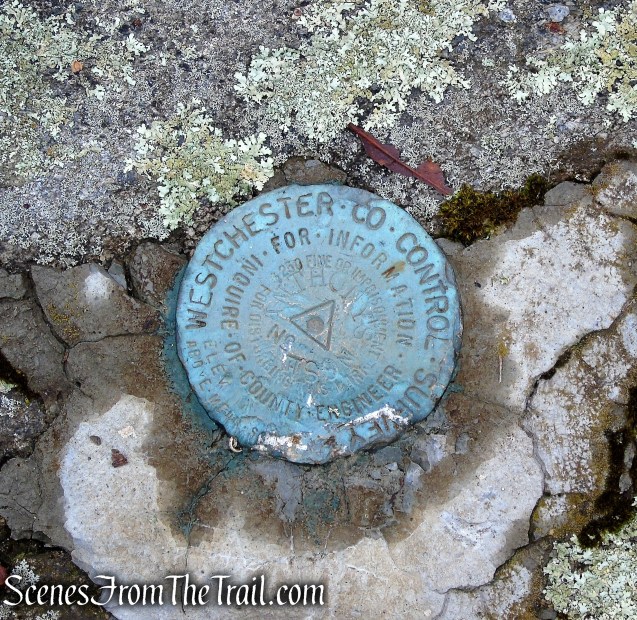
A Westchester County Management Survey Reference Marker sits close to the 910-foot summit of Anthony’s Nostril, quietly marking a exact geodetic level atop the rocky Hudson Highlands peak.
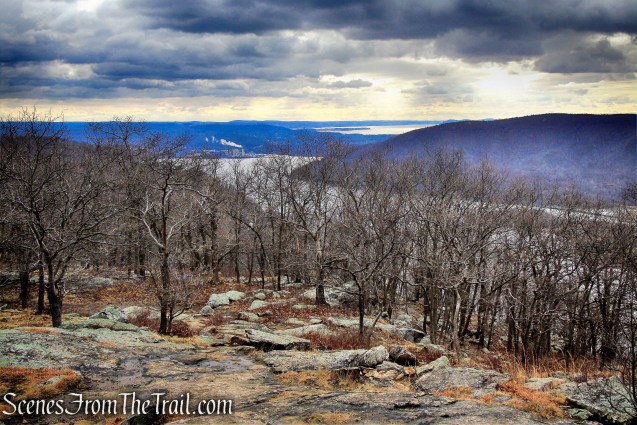
Partial and seasonal views south down the Hudson River from the true summit of Anthony’s Nostril.
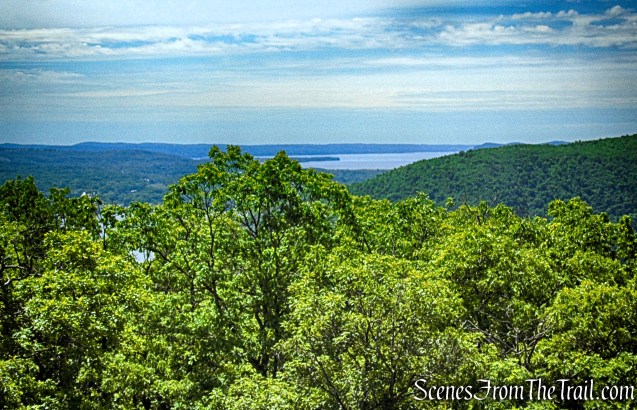
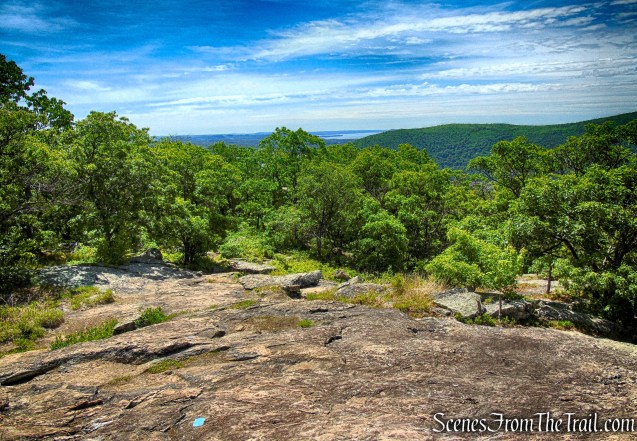
Throughout leaf-off season, the south-facing view from the summit of Anthony’s Nostril improves considerably, providing filtered however prolonged sightlines down the Hudson River valley. Whereas not as expansive as the principle lookout, it offers a glimpse previous Dunderberg Mountain and farther alongside the winding river hall.
When you find yourself performed testing this view, retrace your steps again in the direction of the primary lookout, however flip proper on the woods highway (Camp Smith Path), now heading northeast. In about 400 ft or so, search for an unmarked footpath on the left. This path results in the location of an outdated Airway Beacon that after stood guard on Anthony’s Nostril. The concrete footings together with two survey markers are nonetheless there.
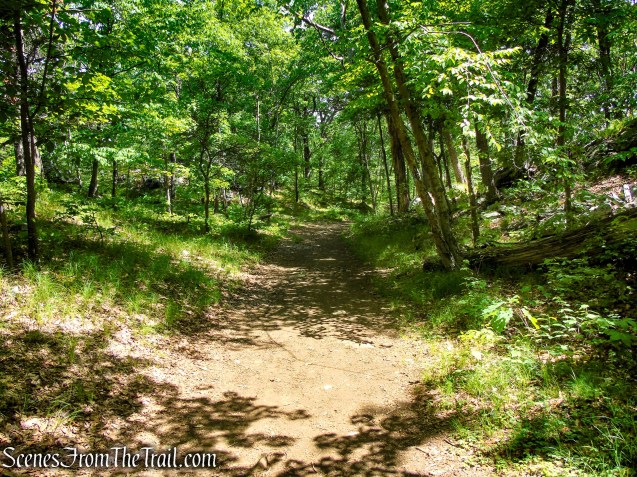
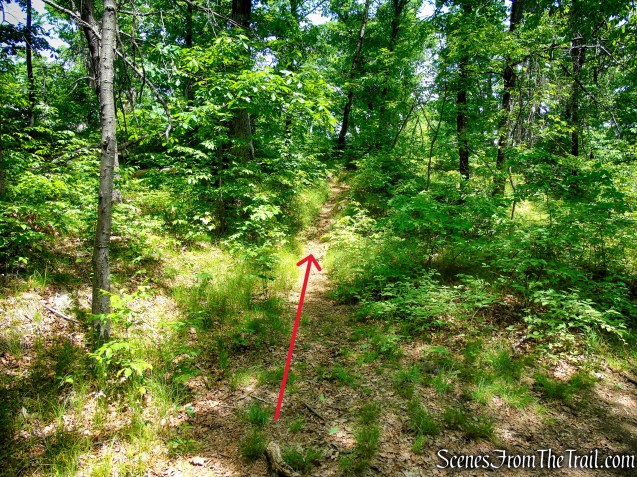
An airway beacon as soon as stood close to the summit of Anthony’s Nostril. Through the 1920’s and 1930’s, earlier than the appearance of contemporary radar and superior navigation methods, the U.S. authorities constructed 1000’s of those illuminated beacon towers throughout the nation to information early airmail pilots flying at night time. Positioned on distinguished mountaintops and ridgelines, the rotating lights served as visible navigational markers, serving to pilots observe designated air routes by means of troublesome terrain and poor climate. The concrete footings that after anchored the heavy metal legs of the tower are nonetheless firmly embedded within the floor.
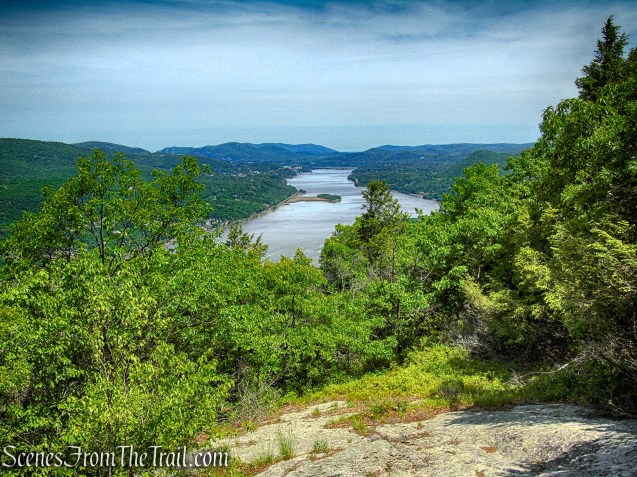
Proceed previous the concrete footings for a brief distance to a broad, slanted rock slab, the place open views unfold to the north over the Hudson River and surrounding Hudson Highlands.
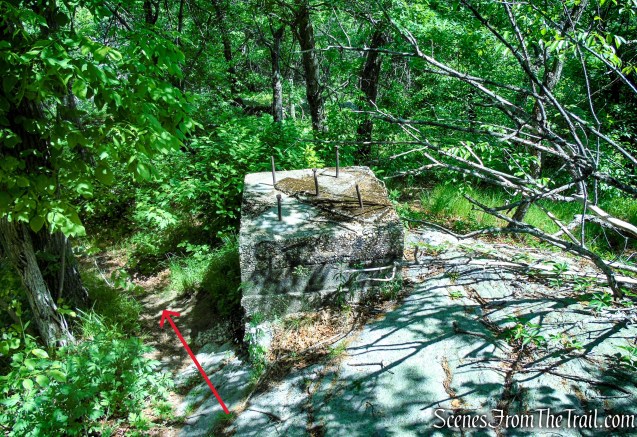
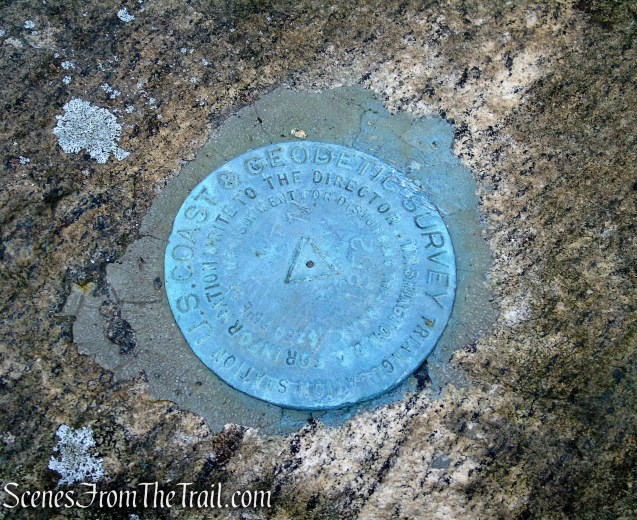
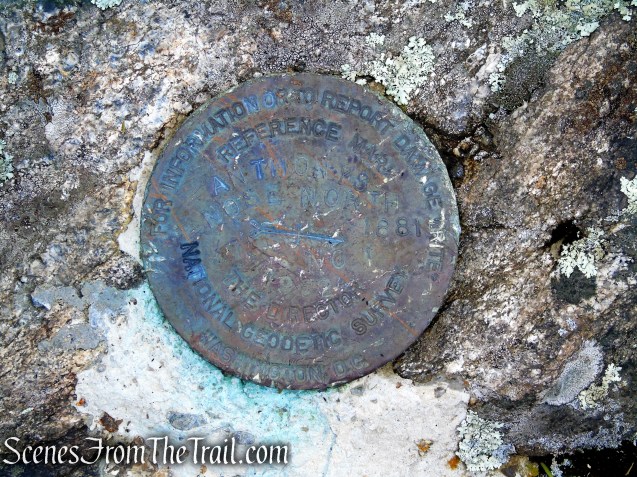
Hikers can spot official geodetic survey markers embedded straight into the concrete and close by rock slabs.
At this viewpoint, the Hudson River stretches north in an extended, winding hall flanked by rolling, forested hills on either side. The layered ridgelines fade into the gap, creating a way of depth and quiet expansiveness because the river threads its approach by means of the Highlands.
This marker is on the viewpoint. There are a number of different survey markers within the space of this viewpoint.
When you find yourself completed having fun with the perspective, retrace your steps alongside the unmarked footpath again to the blue-blazed Camp Smith Path and switch left. Observe the woods highway because it descends, retracing your route again towards the Appalachian Path.
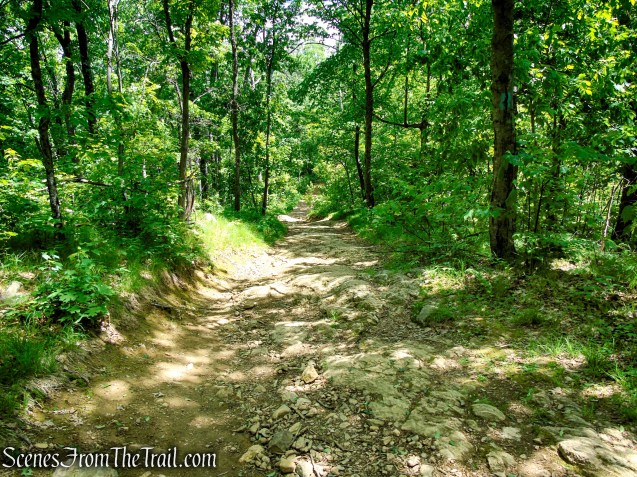
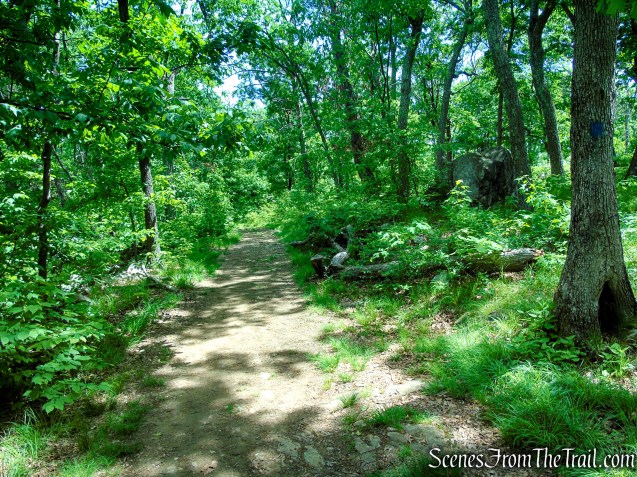
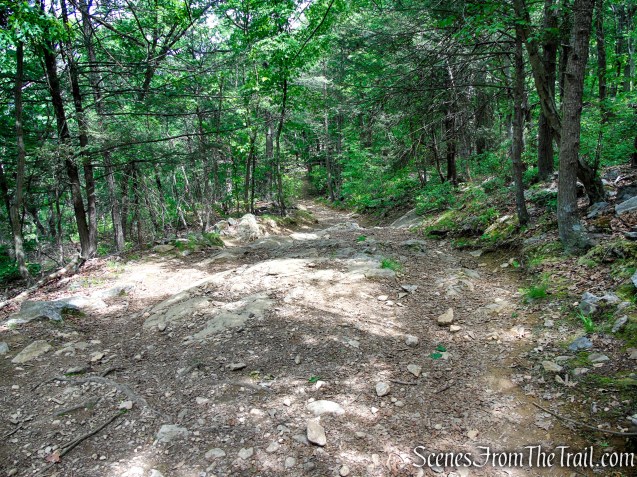
Proceed following the blue blazes for about one other half-mile, the place the Camp Smith Path ends at its junction with the Appalachian Path. From right here, CONTINUE STRAIGHT forward and observe the white blazes of the Appalachian Path heading north because it quickly climbs steeply uphill.
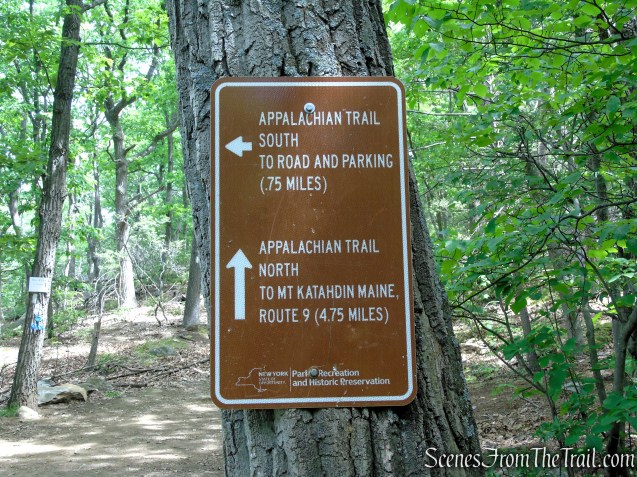
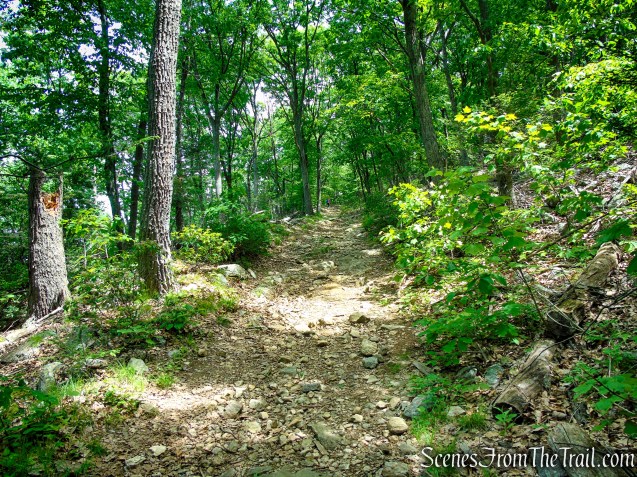
On the high of the rise, the Appalachian Path turns left and leaves the woods highway, however you need to bear proper as a substitute, leaving the AT and persevering with alongside the woods highway.
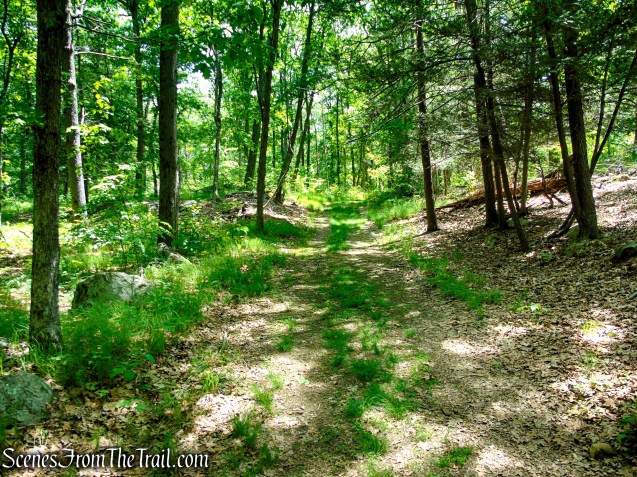
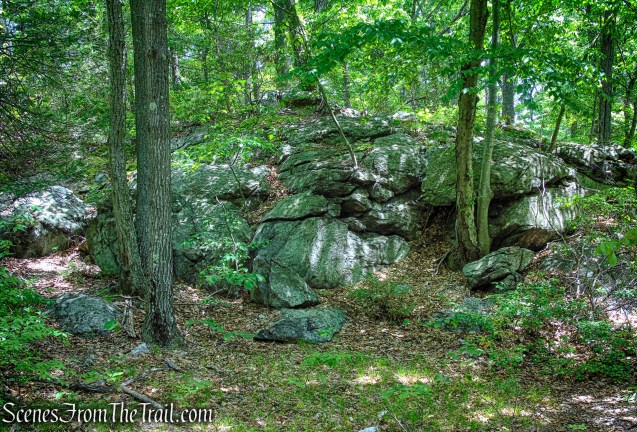
The woods highway quickly curves to the precise bordering Camp Smith, then the highway turns left (north) passing an entrance highway to the NYS Navy Reservation, with a locked gate (DO NOT GO BEYOND THE GATE). Bear left and proceed on the unmarked woods highway because it begins to descend.
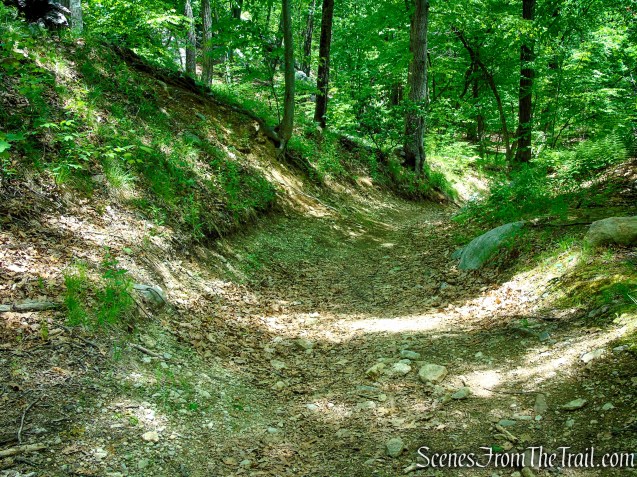
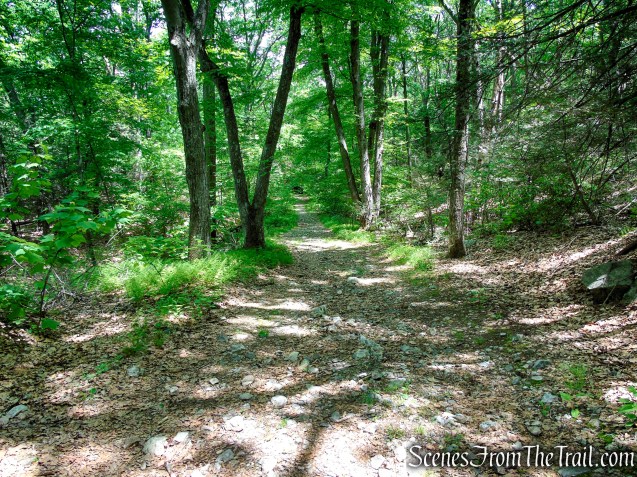
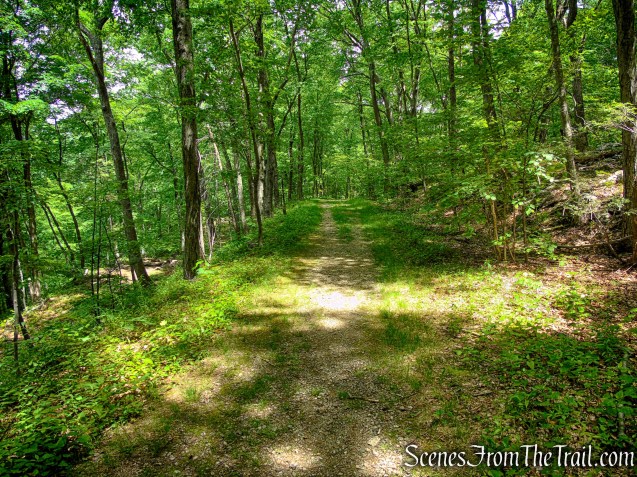
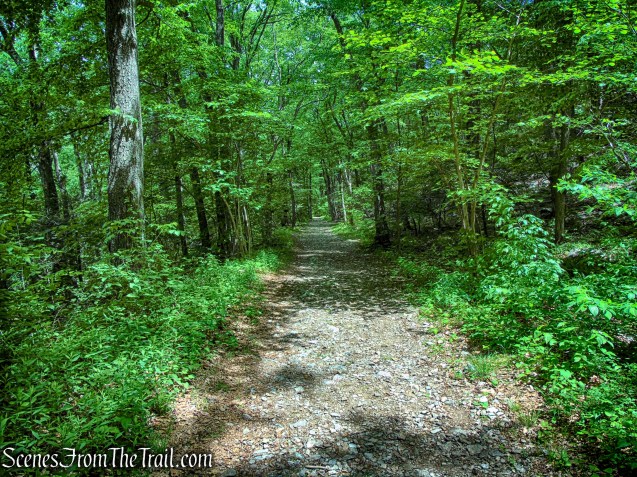
After about 0.8 mile with the junction with the Appalachian Path, the AT rejoins Navy Highway from the left. Proceed following the white blazes for one more 350 yards again to South Mountain Move Highway, the place the hike started.
Assessment:
A rewarding 4-mile hike on Anthony’s Nostril that delivers much more surroundings than its mileage suggests. The route is persistently participating, with rocky woodland trails, regular climbs, and simply sufficient elevation change to maintain issues attention-grabbing with out being overwhelming. Anticipate a mixture of shaded forest paths, rugged footing, and well-placed viewpoints overlooking the Hudson River. The spotlight, after all, is the sweeping views—among the best within the Decrease Hudson Valley. From the uncovered rock outcrops, hikers are handled to expansive views of the Hudson River Valley.
Execs:
Scenic Hudson River views, rugged and diversified terrain, rewarding overlook, manageable 4-mile distance, quiet northern strategy, shaded forest sections, wonderful payoff for effort, nicely marked trails.
Cons:
Restricted parking at South Mountain Move Highway, can get extraordinarily crowded on the important viewpoint.
Take a hike!
Sources:


