

The Hornstrandir Peninsula is Iceland’s most distant wilderness area. Situated within the rugged Westfjords, this pristine nature reserve has no roads, no everlasting residents (not less than of the bipedal selection), and is accessible solely by boat throughout the summer time. Whereas it might not be the best place to succeed in, those that make the journey are rewarded with a magical panorama of dramatic sea cliffs, lonely peaks, and primeval tundra.The natural world is equally spectacular, with an distinctive number of flowers, together with huge seabird colonies and an abundance of arctic foxes. It’s one in every of my favorite locations in Iceland—and contemplating the power of the competitors, that’s saying fairly a bit!
The ocean cliffs of Hornstrandir are a nesting floor for hundreds of seabirds, together with puffins, guillemots, razorbills, kittiwakes, and fulmars (picture by Kate Pickett).
Observe: I visited Hornstrandir in 2023 with Kate Pickett as a part of an prolonged journey in Iceland. The journey additionally included double-digit sizzling springs, a Eurovision pilgrimage, a detour to the Apollo coaching websites,and a north-to-south traverse of the nation from Hraunhafnartangi Lighthouse to Dyrhólaey Lighthouse.
At a Look
Distance: Approx. 120 km (75 mi) (together with aspect journeys)
Period: 6 days
Issue Stage: Reasonable
Whole Elevation Acquire: 4,271 m (14,012 ft)
Begin/End: Hesteyri
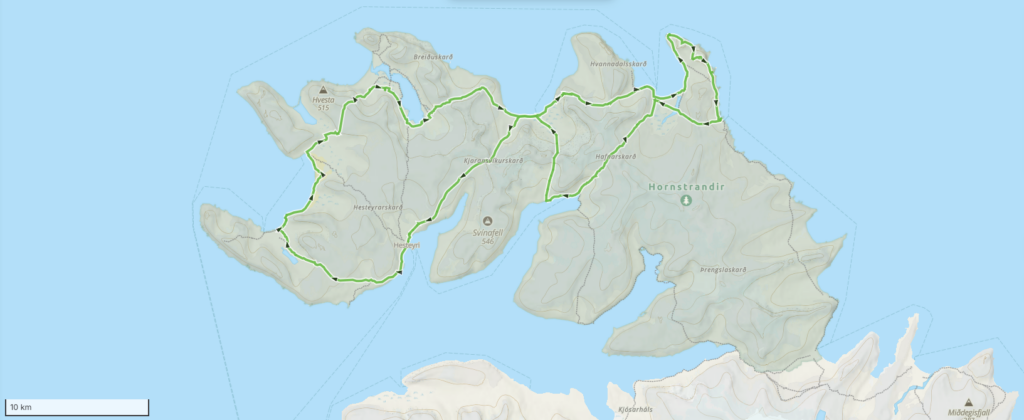
Overview map of our “three loops trek”.
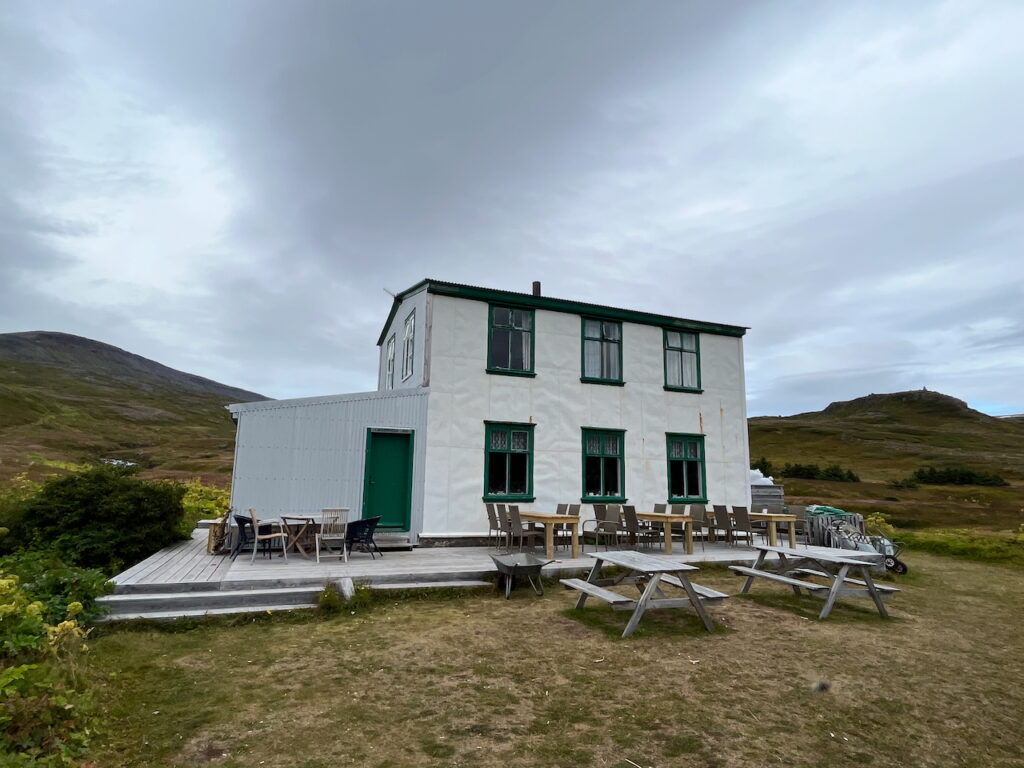
The Previous Physician’s Home in Hesteyri – beginning and ending level of our Hornstrandir hike. The 100-year-old cafe and guesthouse, is usually open from mid-June to the top of August, and makes for a really welcome refuge from the peninsula’s typically stormy climate.
Planning Data:
Getting There & Away: In the course of the summer time, Hornstrandir is usually accessed through passenger ferries from the city of Ísafjörður (about an hour every approach). Apart from Hesteyri, it’s also possible to begin or end your trek at Veiðileysufjörður, Látravík, or Hornvík. You should definitely e book upfront (together with your return journey), as seats are restricted. Observe that companies are typically canceled as a consequence of dodgy climate, so ideally it is best to have slightly flexibility in your itinerary (and maybe an additional day’s meals).
Season: June to early September. The go-to supply for climate information when mountaineering in Iceland is the Icelandic Met Workplaces official web site (Tip: Obtain their wonderful app earlier than setting out).
Permits & Charges: No permits required.
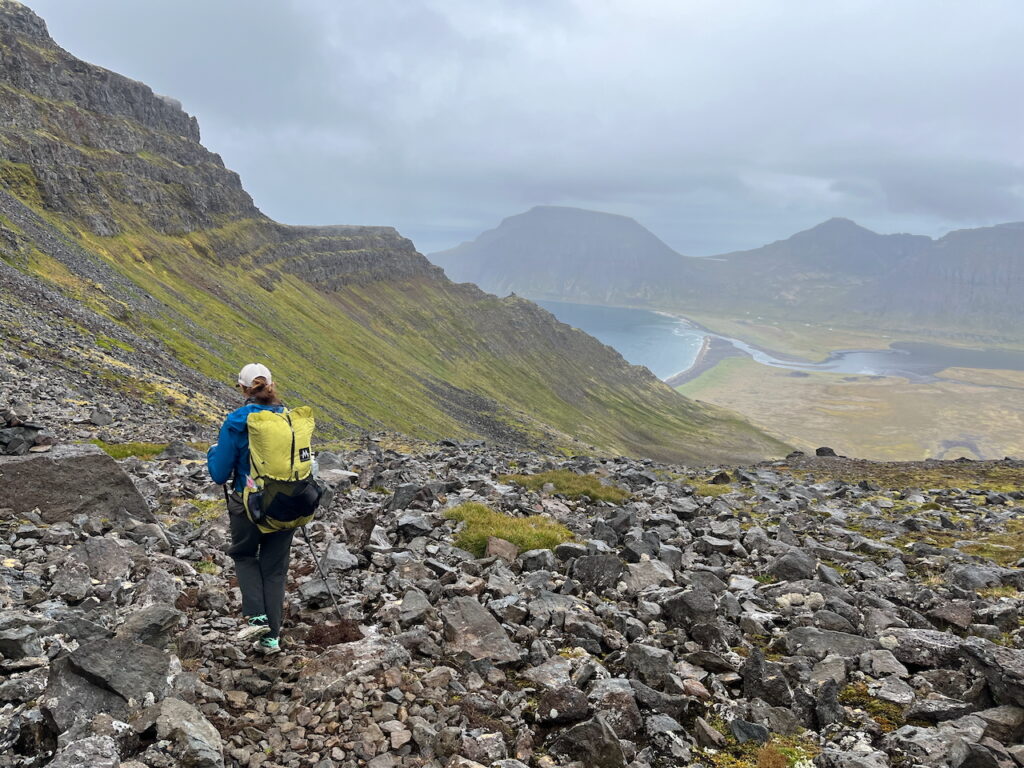
Kate descending from Atlaskara cross to Hornvik.
Navigation – GPS and Maps: I pieced collectively our route on GaiaGPS. Moreover, we carried the Hornstrandir 1:100,000/1:55,000 topographic mountaineering map (Sérkort 9) which we picked up in Reykjavik.
Water: Ample and pristine. You shouldn’t have to hold greater than half a liter. We didn’t filter and had no points.
Meals: Deliver all meals with you from the beginning, as there’s nowhere to buy objects alongside the best way (besides the Previous Physician’s Home). Together with some meals we dropped at Iceland from abroad, we bought most of our backpacking provisions – each for Hornstrandir and the Iceland Traverse – on the wonderful Bonus Grocery store in downtown Reykjavik.
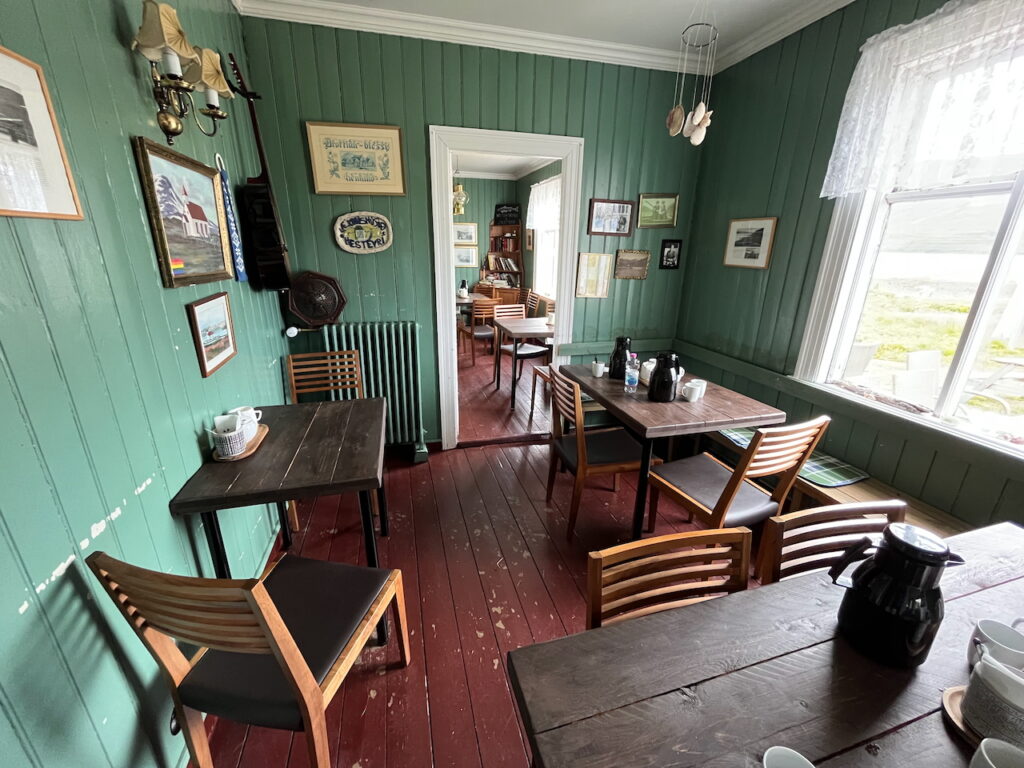
The comfortable interiors of the Previous Physician’s Home.
Lodging:
Tenting: There are 16 designated campsites across the Hornstrandir Peninsula. Not like most of Iceland, wild tenting outdoors of those areas is just not permitted.
Indoor Choices: 1. Previous Physician’s Home – Historic guesthouse and café within the deserted village of Hesteyri. Good crepes, pancakes, and sizzling chocolate; 2. Hornbjargsviti – Lighthouse-adjacent lodging on Hornstrandir’s northeast shore with bunk beds and a campsite (66.41067, -22.37934), and; 3. Reykjarfjörður – Sadly I didn’t see this one. Situated within the far southeast of the peninsula, it has fundamental sleeping-bag lodging, and a geothermal pool and sizzling tub (6.25813, -22.08849).
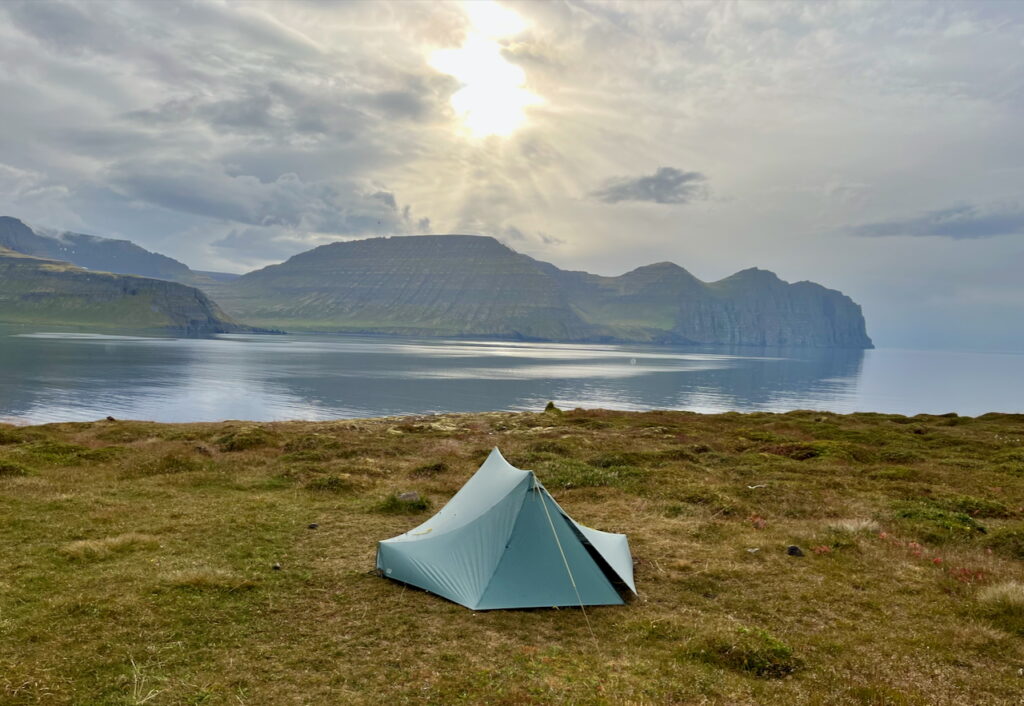
Horn Campsite on the peninsula’s northern coast (Shelter – Tarptent Stratospire 2).
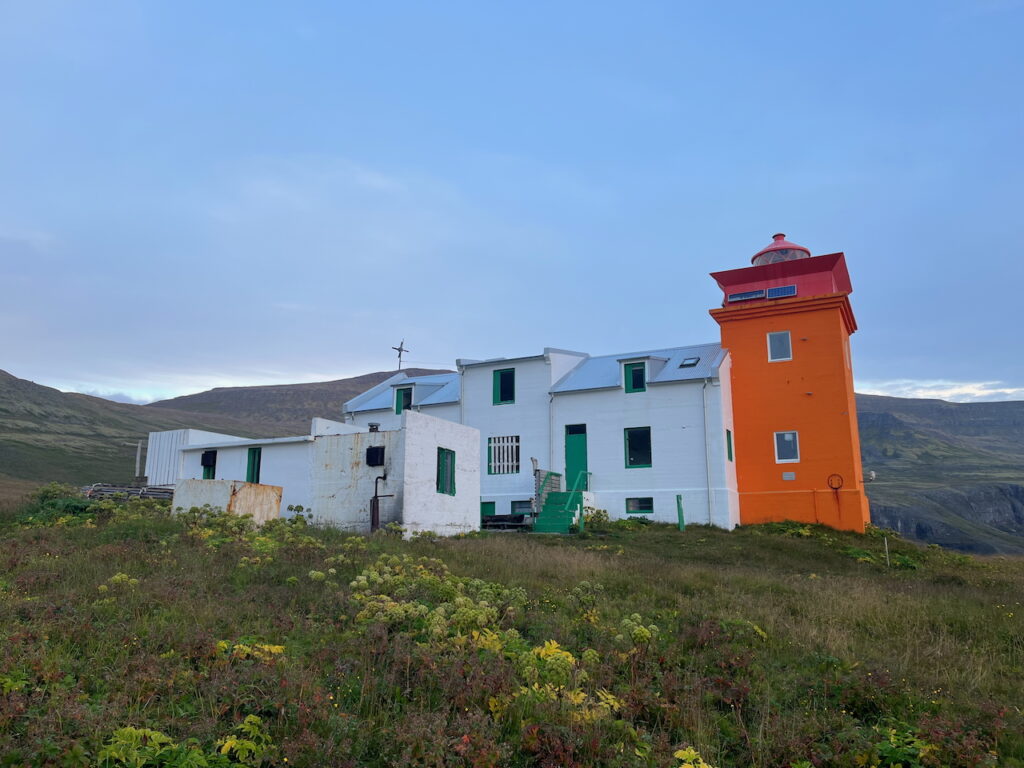
Hornbjargsviti Lighthouse
5 Info about Hornstrandir
1. From Distant Outpost to Nature Reserve: The final everlasting residents left Hornstrandir within the Nineteen Fifties. The peninsula’s conventional livelihoods of farming and fishing had turn into more and more tough to maintain, whereas job alternatives and entry to fashionable companies drew people to bigger settlements. The inhabitants decline accelerated after the collapse of the salt-fish market within the Thirties and the closure of the herring station at Hesteyri within the Forties. In 1975, the Hornstrandir Peninsula was declared a nature reserve.
2. Vibrant Vacation Houses (Large and Small): Among the former inhabitants descendants nonetheless personal and preserve their household homes, which they use as summer time properties. We handed by a handful of those characterful cottages throughout our journey.
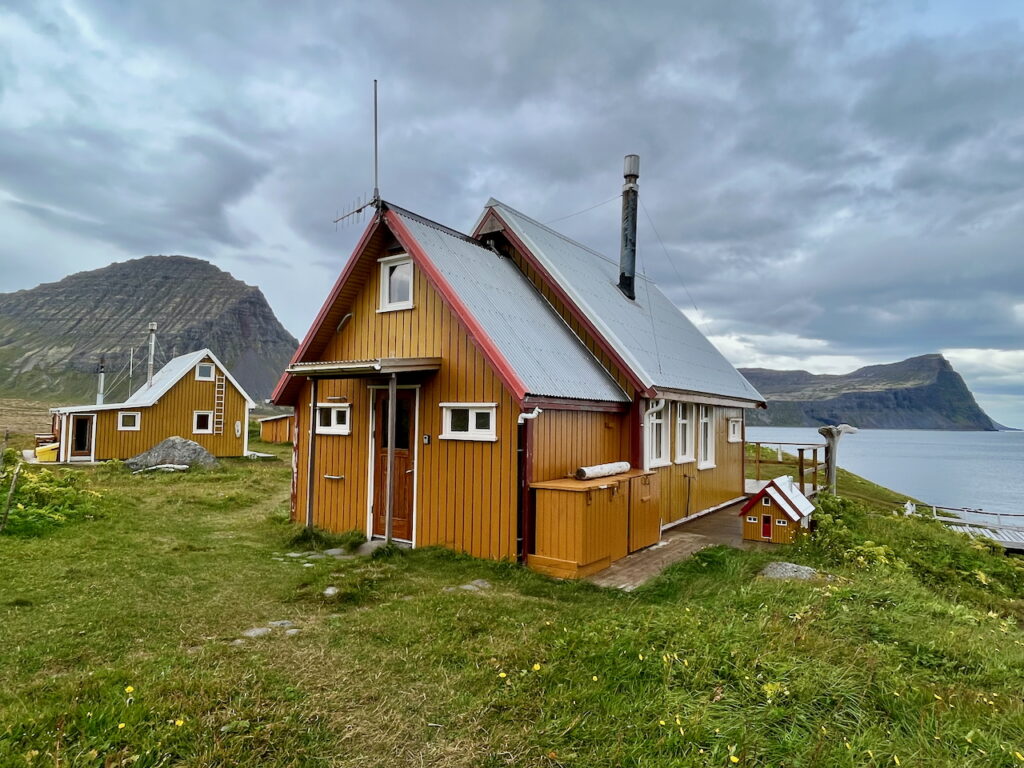
Nicely-maintained cottage on the northern coast.
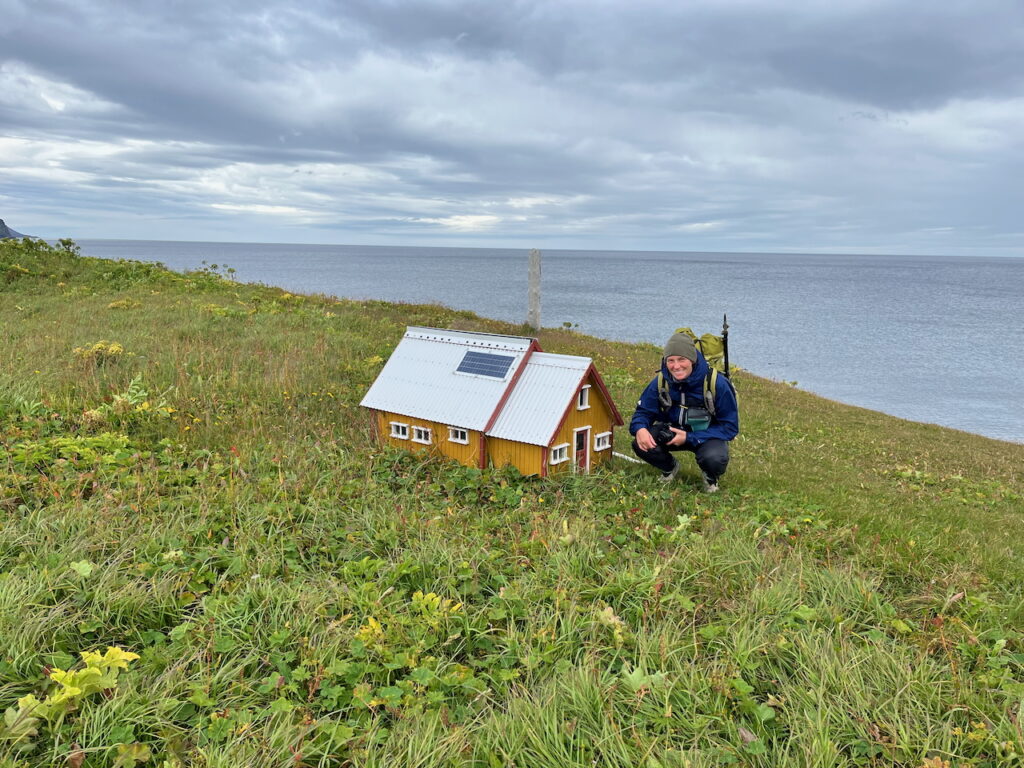
Adjoining reproduction (alfhól) constructed for the little folks (Huldufólk).
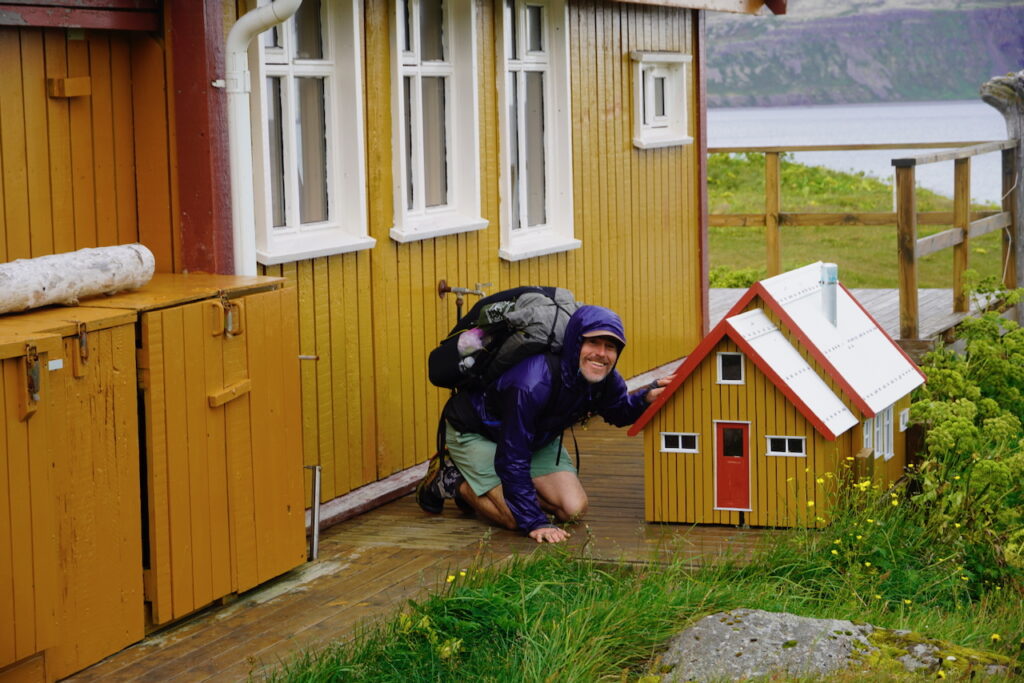
This cottage had a bonus alfhól! (picture by Kate Pickett)
3. The Flora of Hornstrandir: Though the wildlife will get a lot of the consideration (see under), Hornstrandir’s flora can be spectacular. With no grazing for greater than half a century, the peninsula helps exceptional botanical variety. Greater than 260 species of vascular vegetation have been recorded inside the nature reserve, together with Arctic lupine, angelica, crowberry, bilberry and lavatory rosemary
4. A Stronghold for Seabirds: Hornstrandir’s sea cliffs are amongst Iceland’s most vital seabird breeding areas. At Hornbjarg, the cliffs tower greater than 500 metres above the ocean and help giant summer time colonies of guillemots, razorbills, fulmars and kittiwakes. The birds nest on ledges and slender cabinets alongside the cliffs, typically slightly below the mountaineering trails.
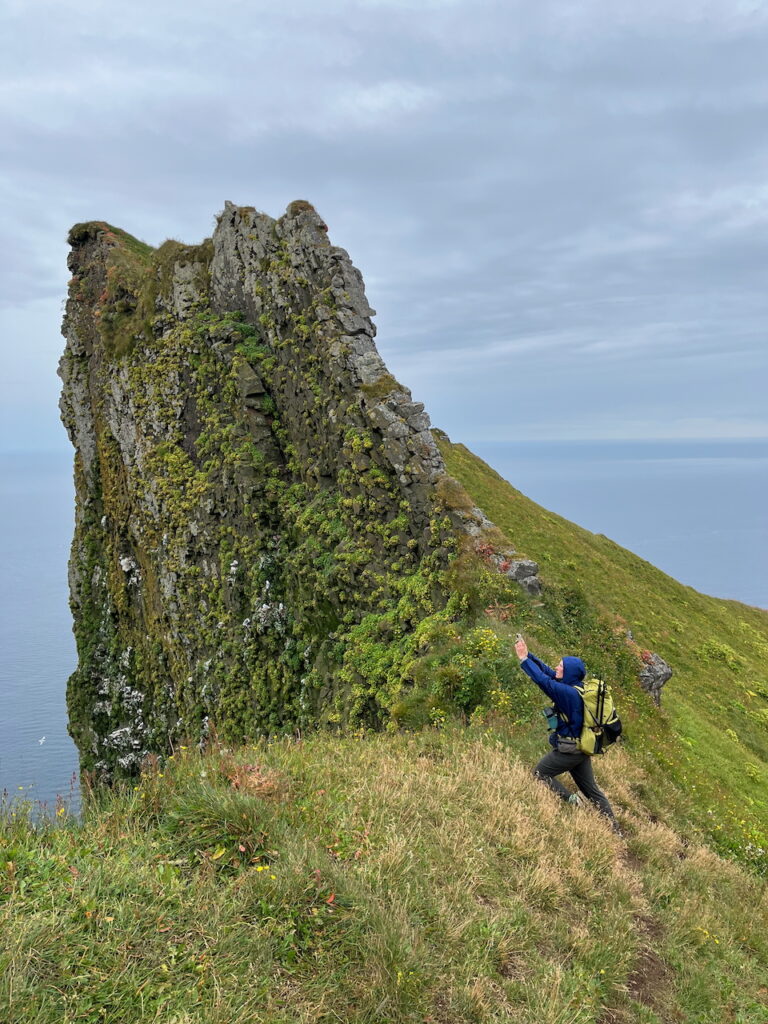
This moss-laden rock face was house to a whole lot of nesting birds. Watching them fly out and in, with their collective calls echoing throughout the cliffs and out to sea, was one of many highlights of the hike—each visually and audibly!
5. Land of the Arctic Foxes: Hornstrandir’s most well-known inhabitants are its arctic foxes, Iceland’s solely fatherland mammal. Arctic foxes happen in two essential color morphs: blue and white. In Iceland, the blue morph is by far the extra frequent, accounting for round two-thirds of the inhabitants. These foxes have brown-grey or slate-coloured coats that stay darkish via winter, whereas the white morph develops the extra acquainted snow-coloured coat (extra generally seen in different Arctic areas equivalent to Greenland, Svalbard, Canada, and Siberia).
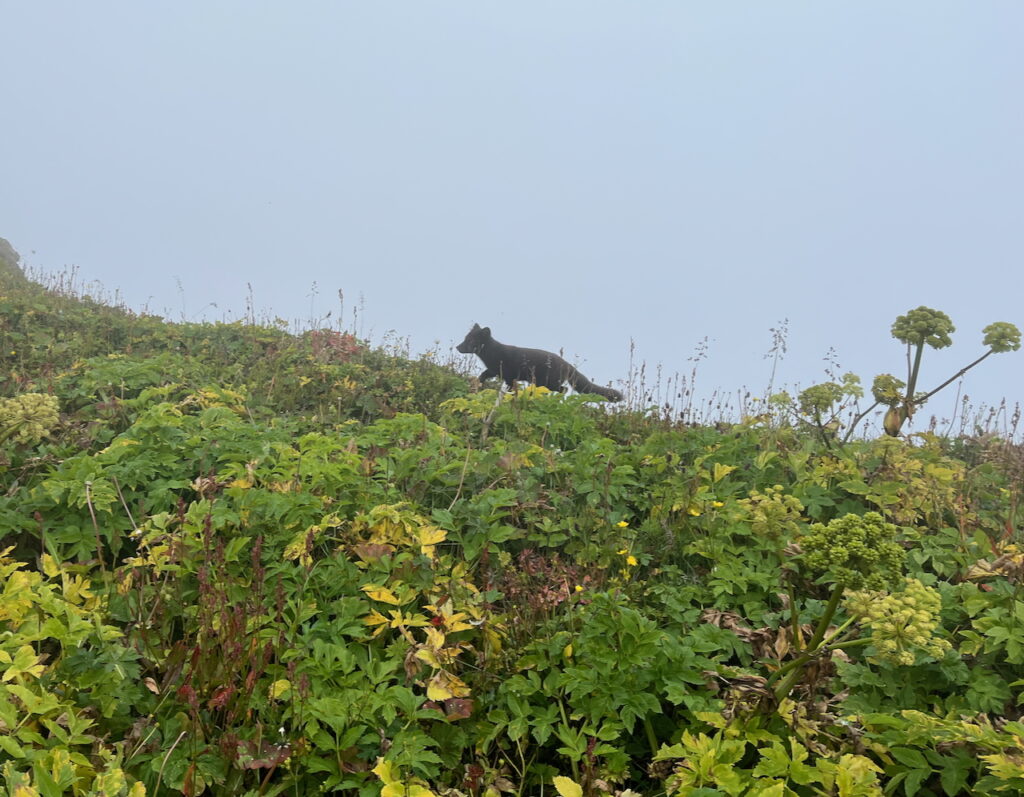
Rising from the mist and cliffside vegetation………
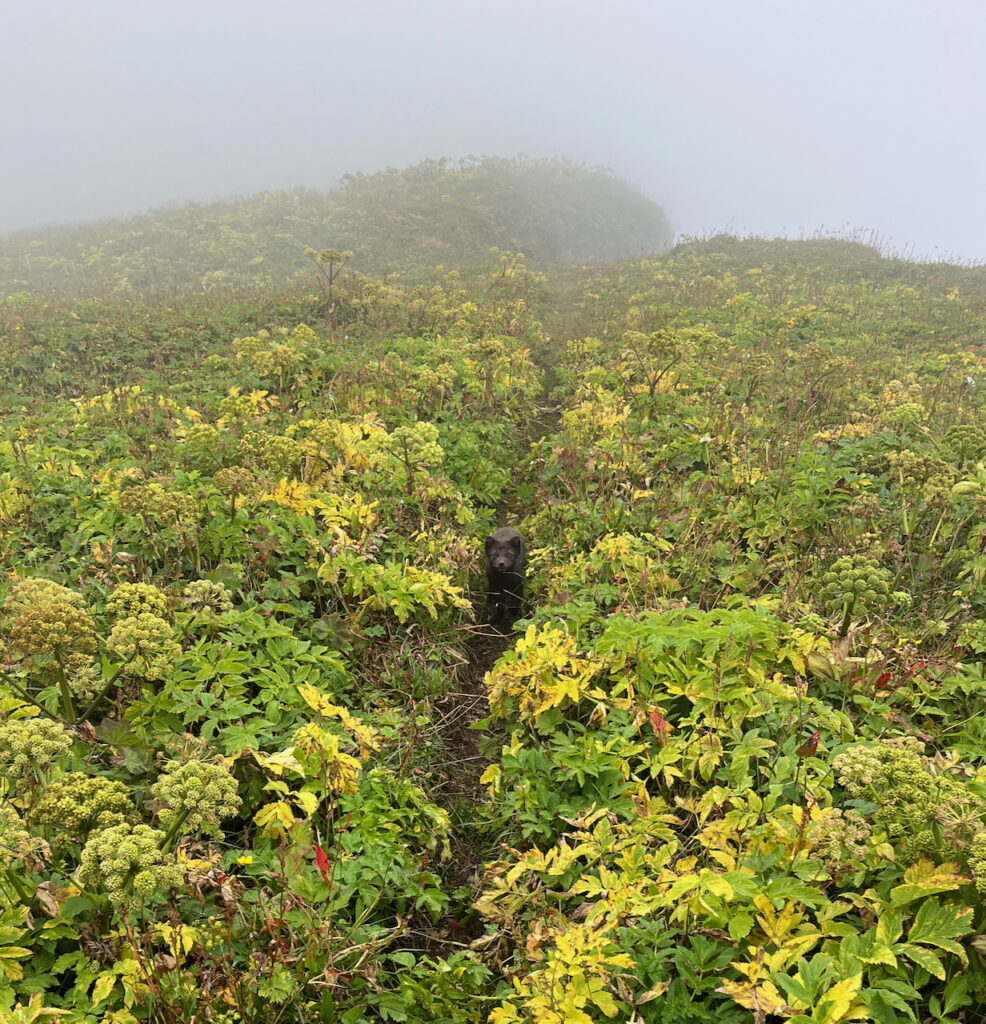
……..this curious little arctic fox joined us for a brief stretch simply south of the Hornbjarg.
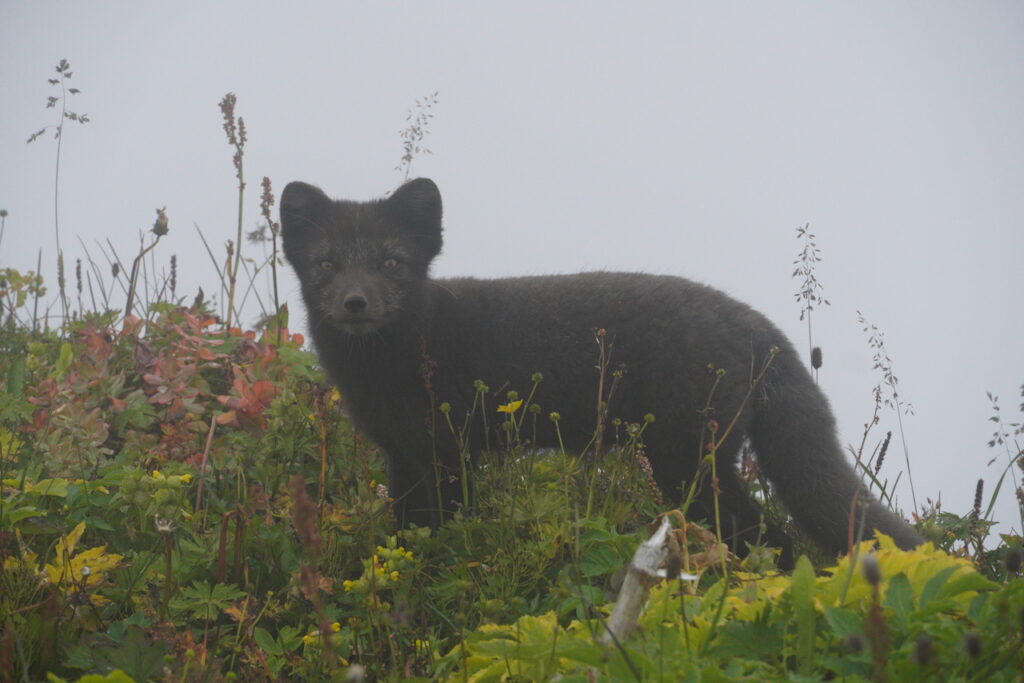
Photograph taken by Kate with the Sony A6400 (with an 18-135 mm lens).
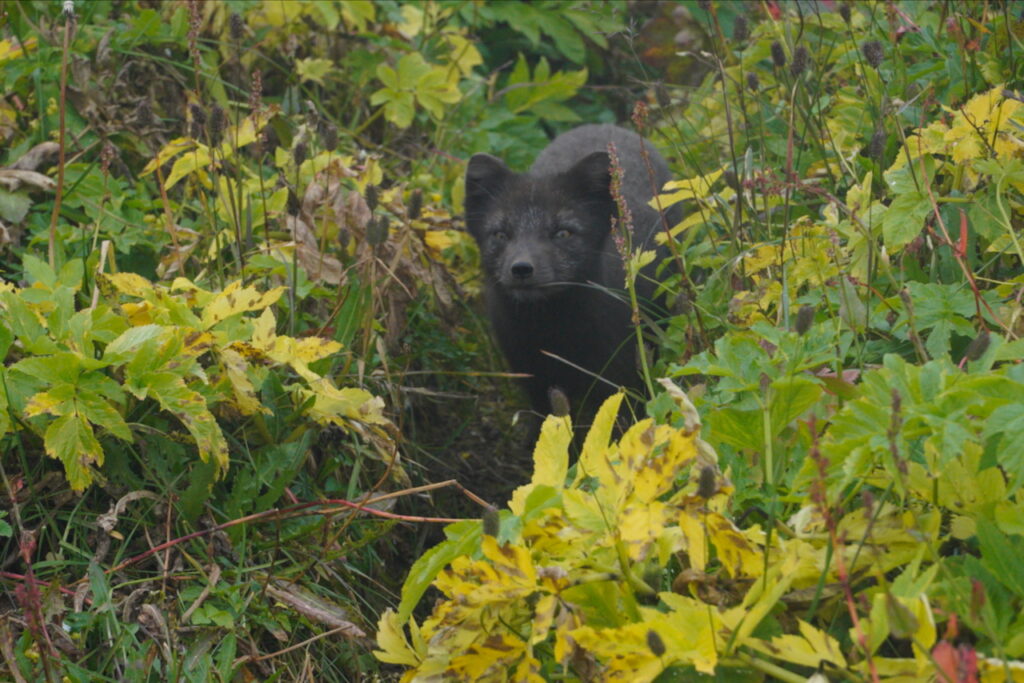
Photograph taken by Kate with the Sony A6400 (with an 18-135 mm lens).
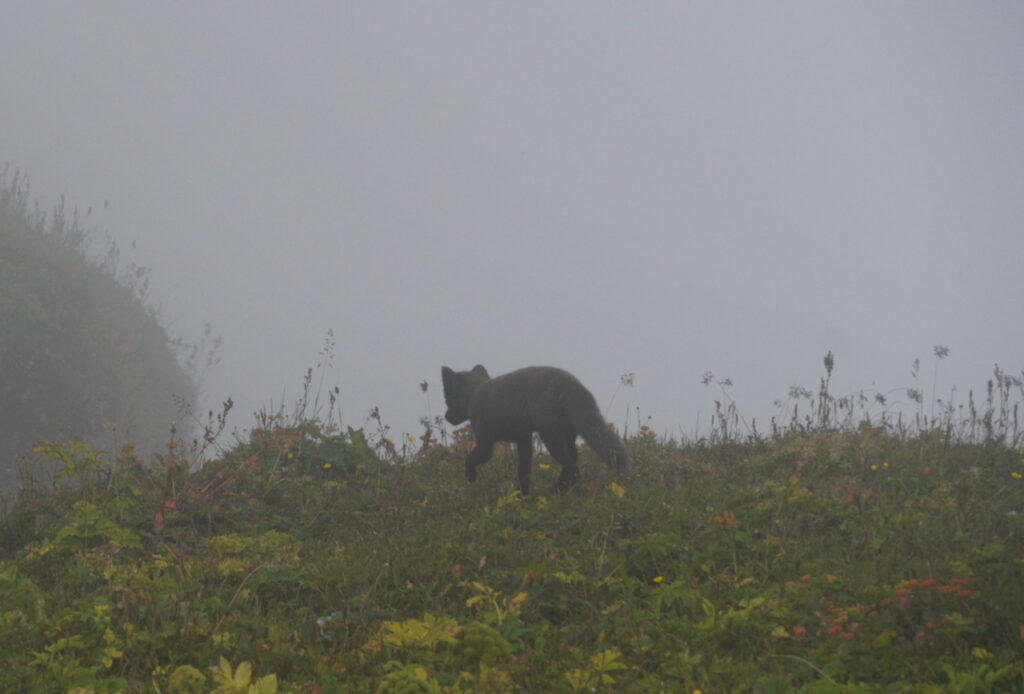
“Catch you later. I’m getting out of the rain.” (Photograph by Kate).
Route Overview
Path: Starting and ending in Hesteyri, we did the roughly 120 km (75 mi) journey in a clockwise route over six days – a couple of of which have been abbreviated due to journey and/or climate.
Tread: The route was a mix of established trails, cross-country, coastal rock-hopping, and seaside strolling. Most of it was pretty simple, with the hardest stretch presumably being Hlöðuvíkurskarð Go in stormy situations on the ultimate morning.
Climate: Talking of which, on the meteorological entrance we had a combined bag. Not a number of sunshine, however total we have been lucky in that the heaviest storms occurred at night time. On that word, the Tarptent Stratospire was stable as a rock each in Hornstrandir and on the following Iceland Traverse.
Fellow Ramblers: Excluding the world round Hornvik Campsite on Day 3, we solely noticed a handful of people throughout our journey.
Day 1: Hesteyri to Tjaldsvæði Látrum
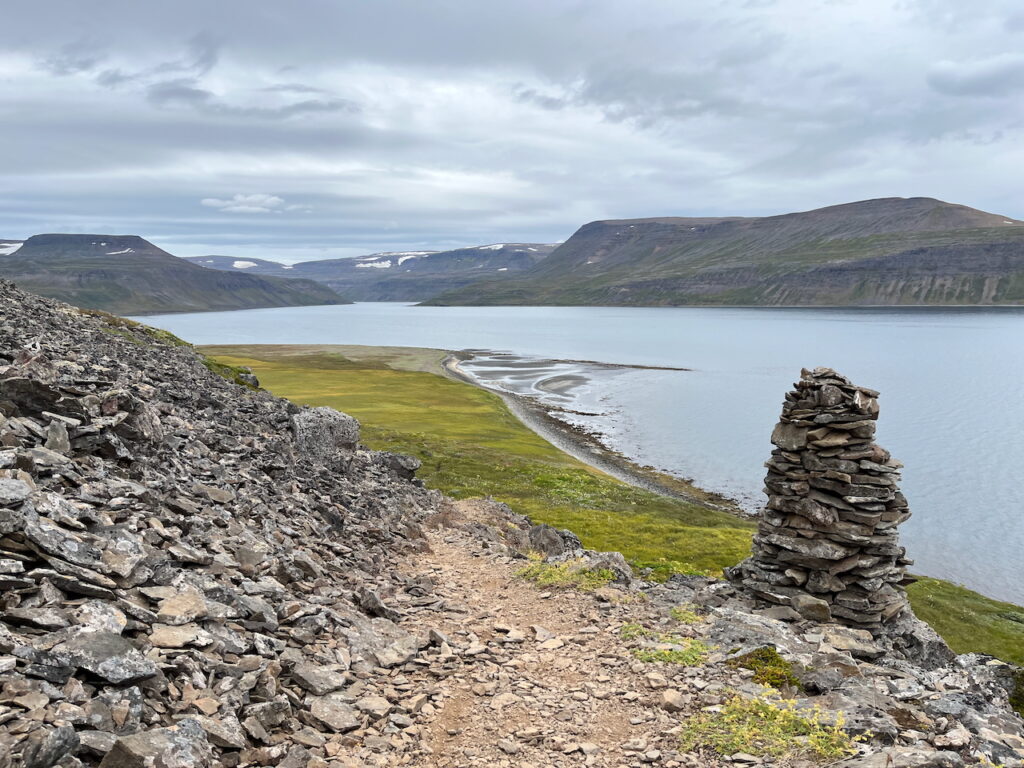
Day 1 – Leaving Hesteyri and Hesteyrarfjordur
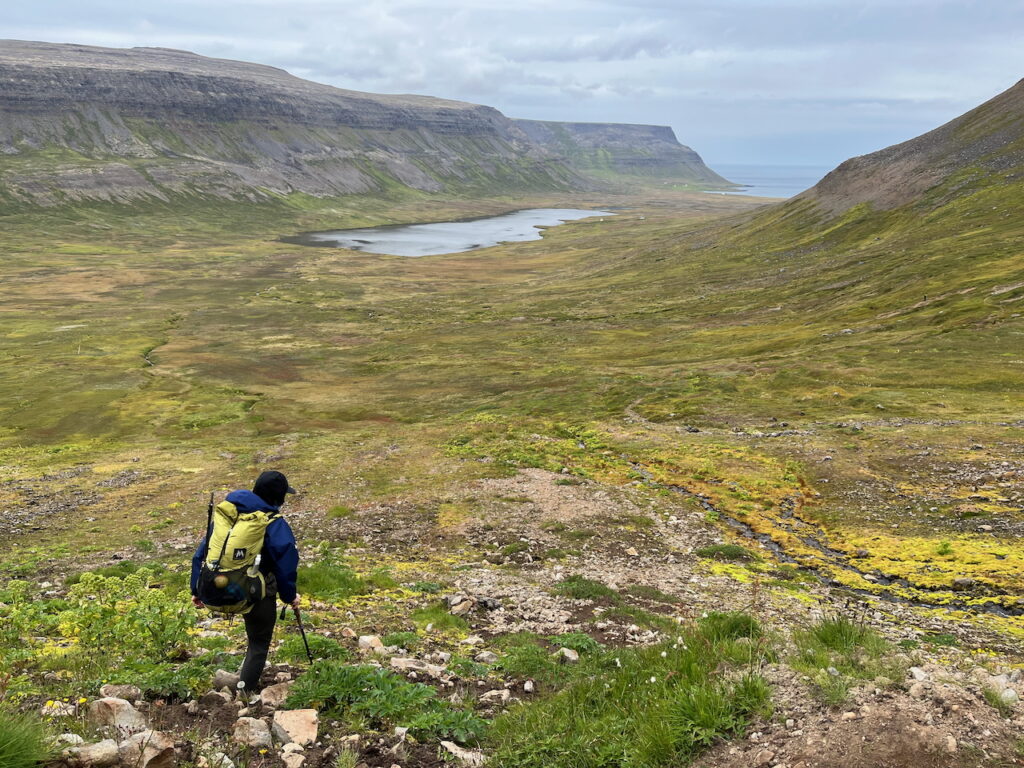
Day 1 – Descending towards Staðarvatn Lake.
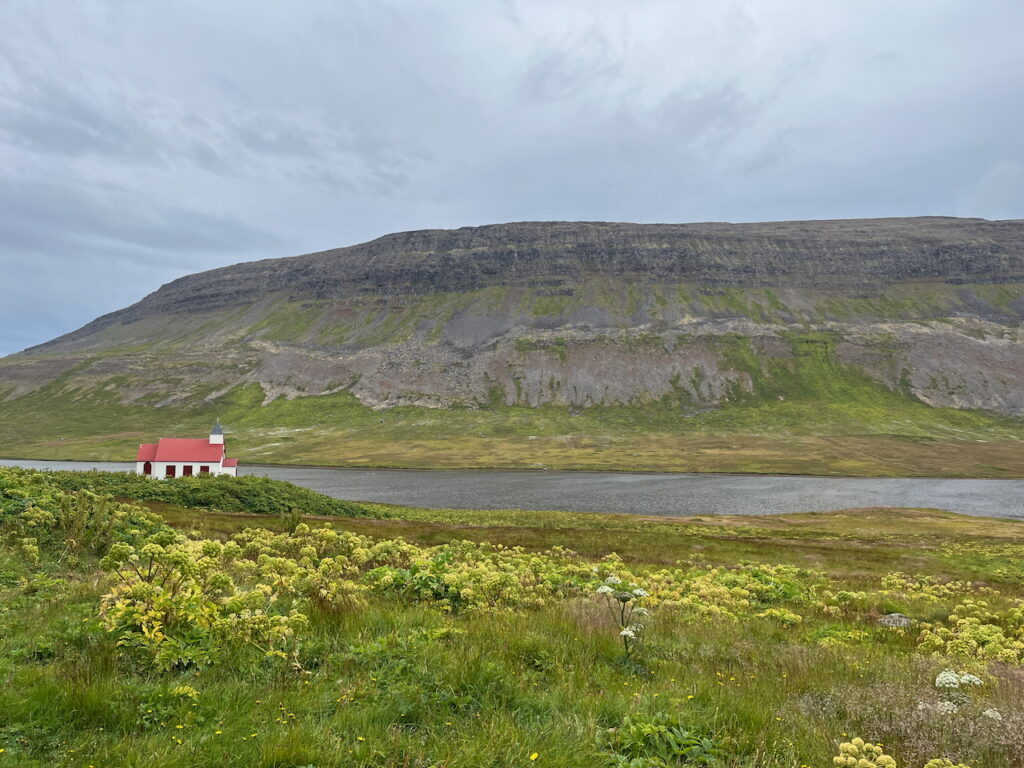
Day 1 – Pink-roofed cottage on Staðarvatn Lake.
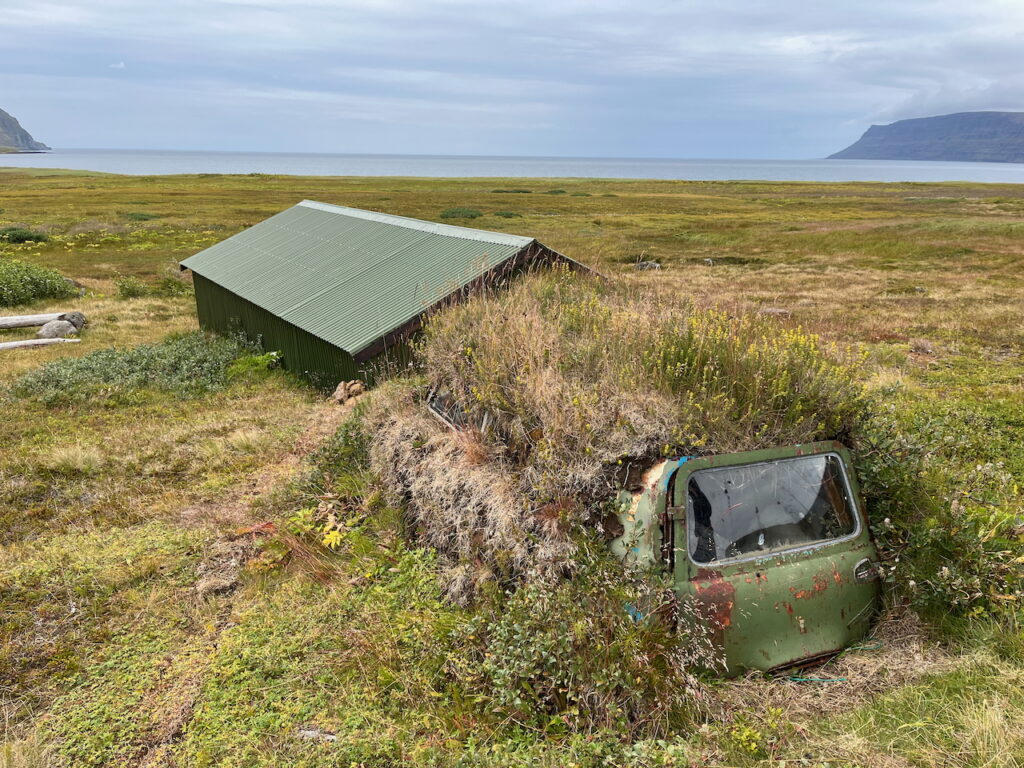
Day 1 – What occurs to deserted automobiles in Iceland.
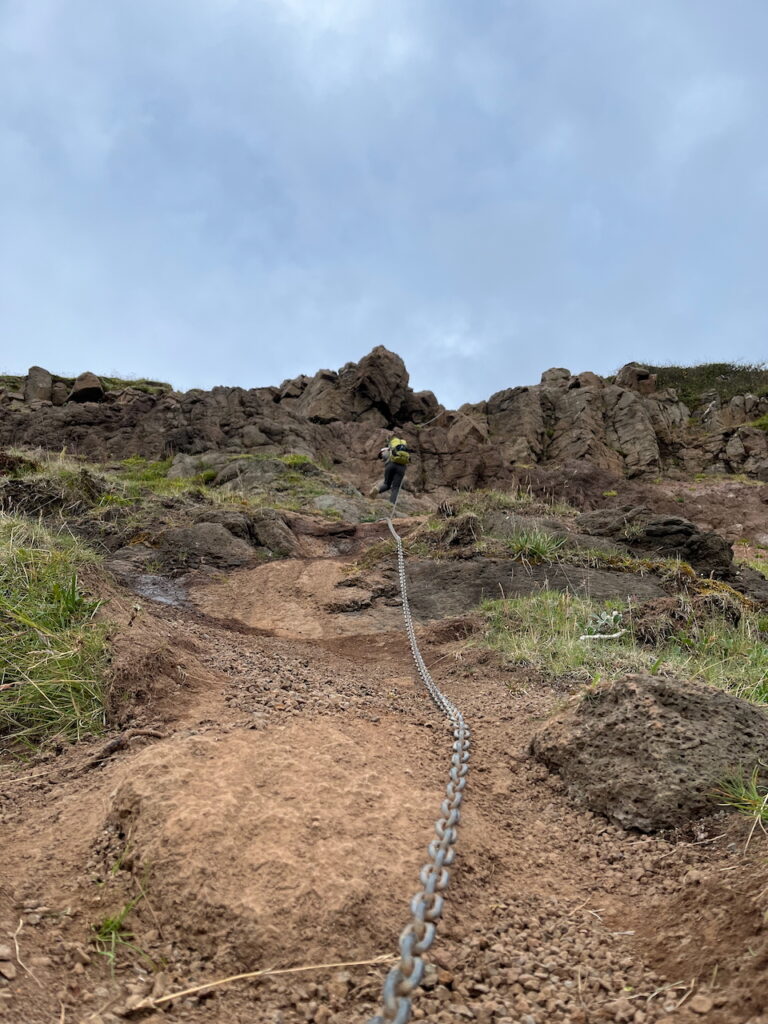
Day 1 – Descending from cliffs to coast northwest of Saebol Camp (66.35038, -23.06163).
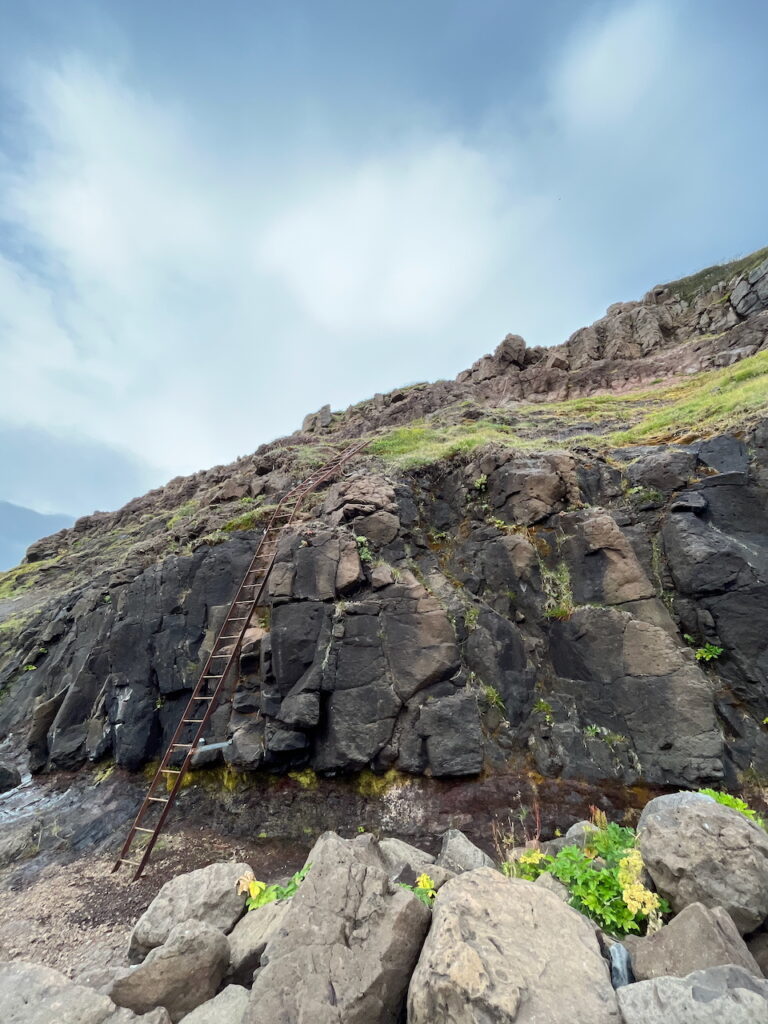
Day 1 – The final a part of the downclimb was on a shaky ladder.
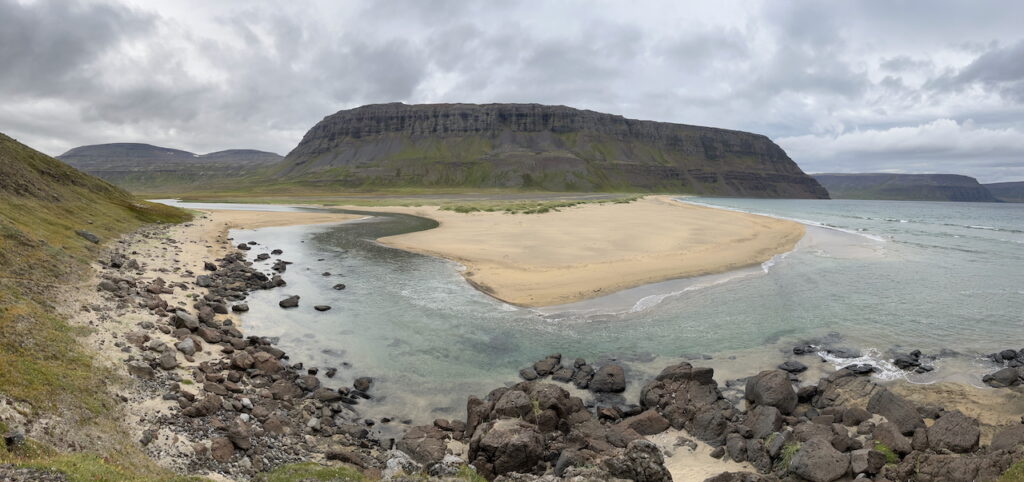
Day 1 – Gazing south towards Hvarfnúpur and Aðalvík bay.
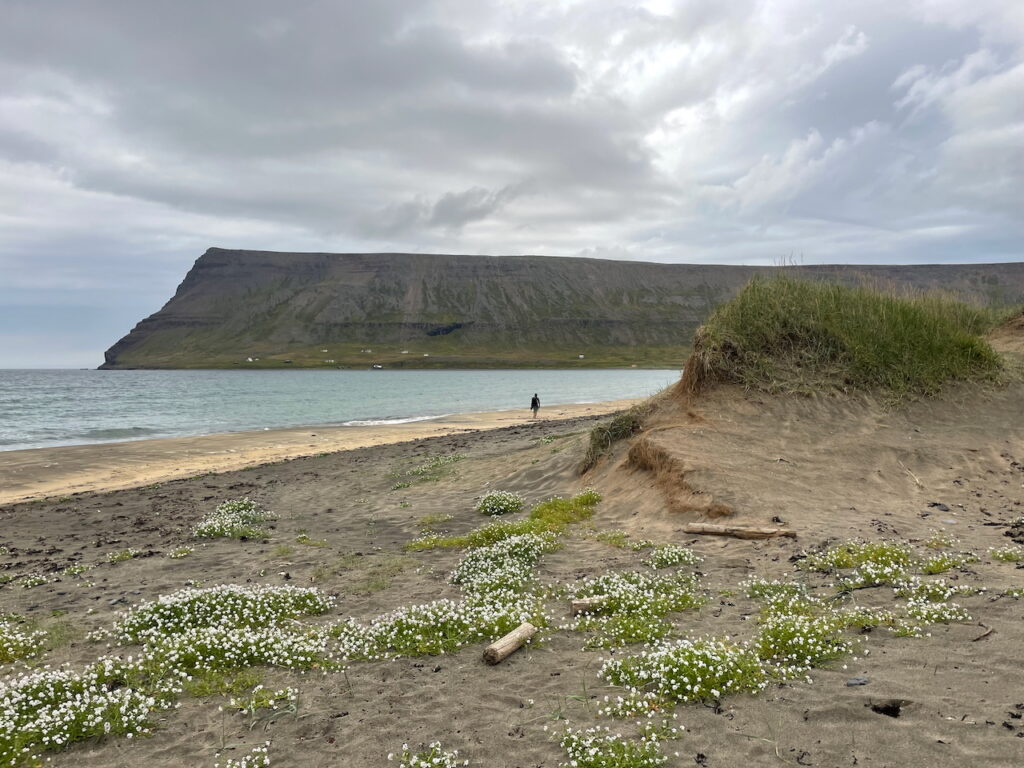
Day 1 – Nearing our first night time campsite at Tjaldsvæði Látrum.
Day 2: Tjaldsvæði Látrum to Hlöðuvík Bay
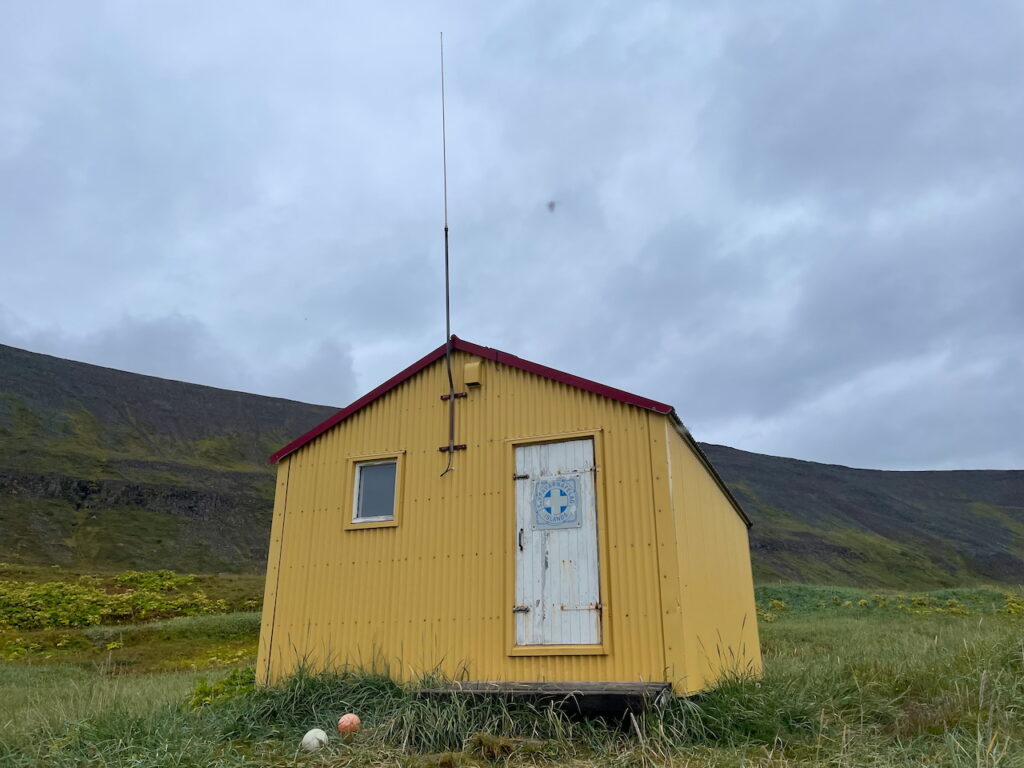
Day 2: Emergency hut at Tjaldsvæði Látrum.
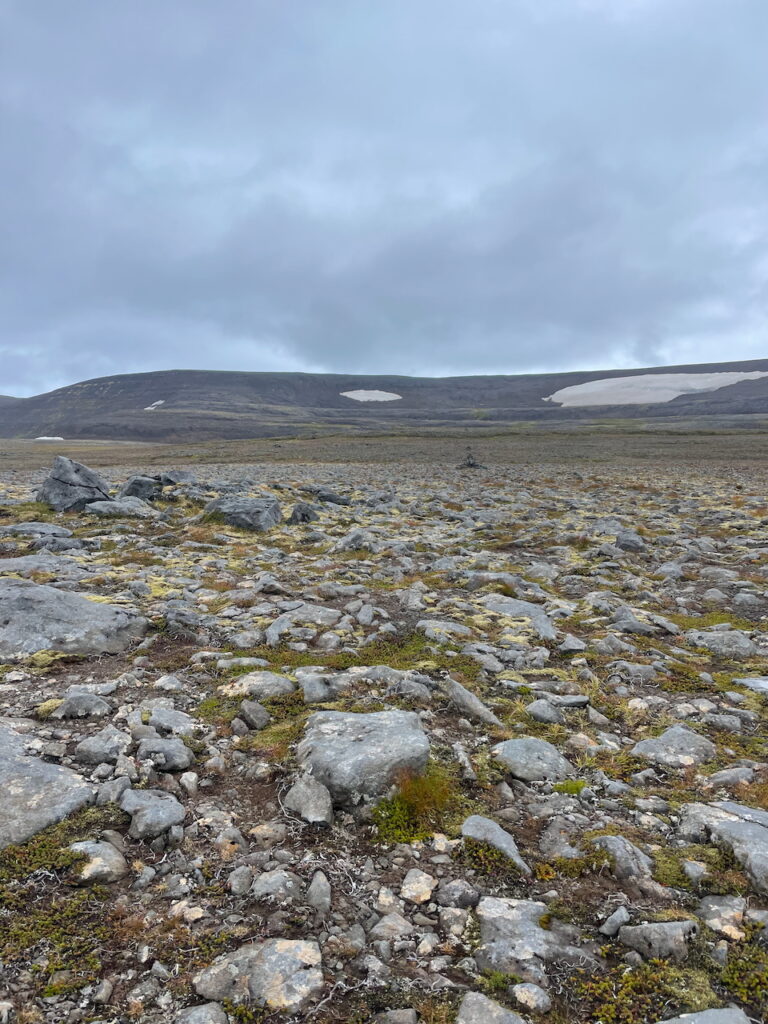
Day 2: Crossing a rocky plateau northeast of Tjaldsvæði Látrum.
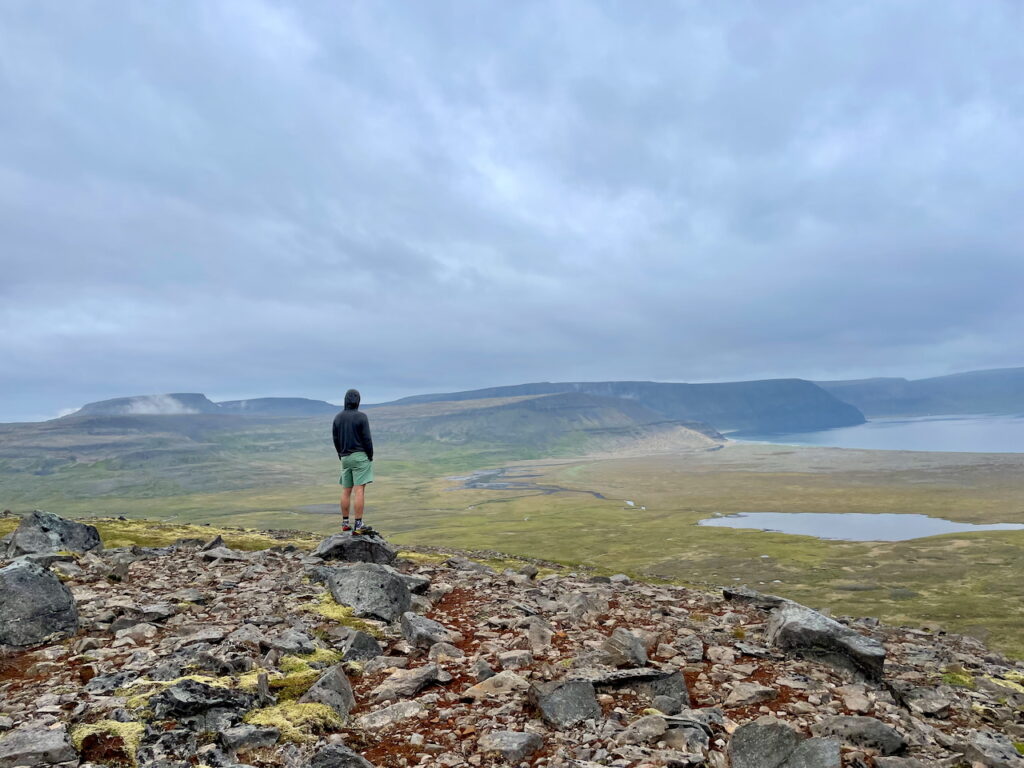
Day 2: Wanting again towards Aðalvík bay (Photograph by Kate Pickett).
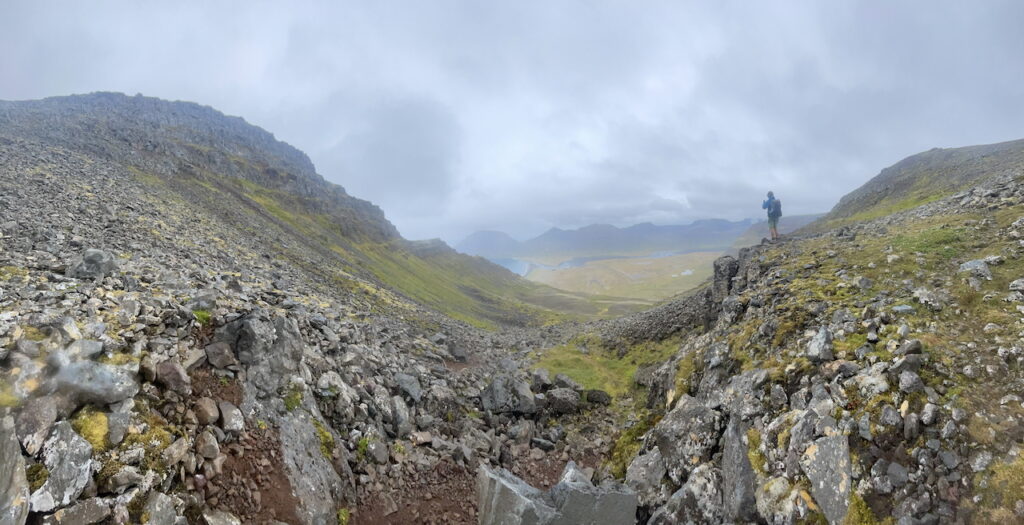
Day 2: Descending towards Fljótavik Bay (Photograph by Kate Pickett).
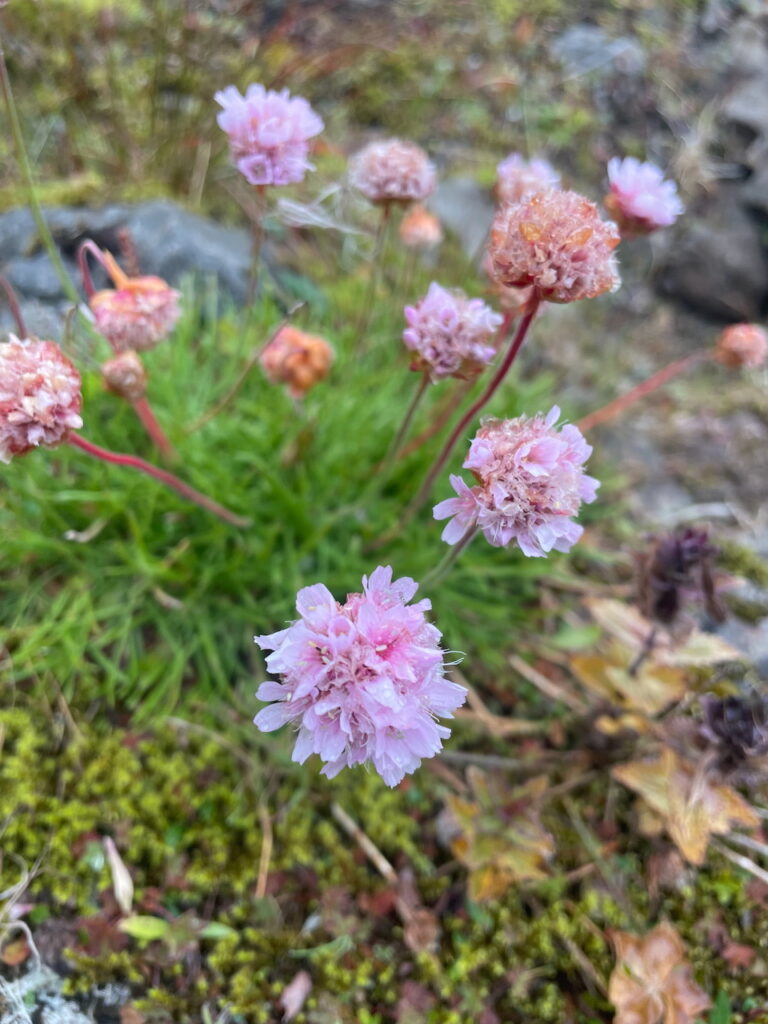
Sea Thrift (Armeria maritima – picture by Kate Pickett)
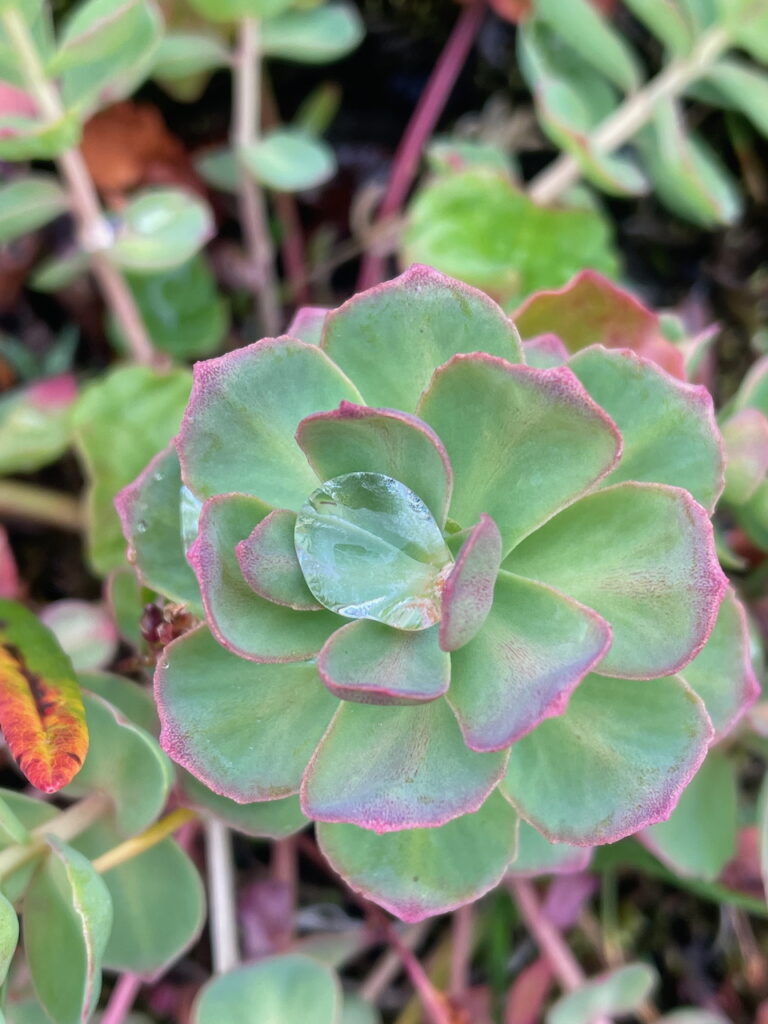
Arctic Root (Rhodiola rosea – Photograph by Kate Pickett)
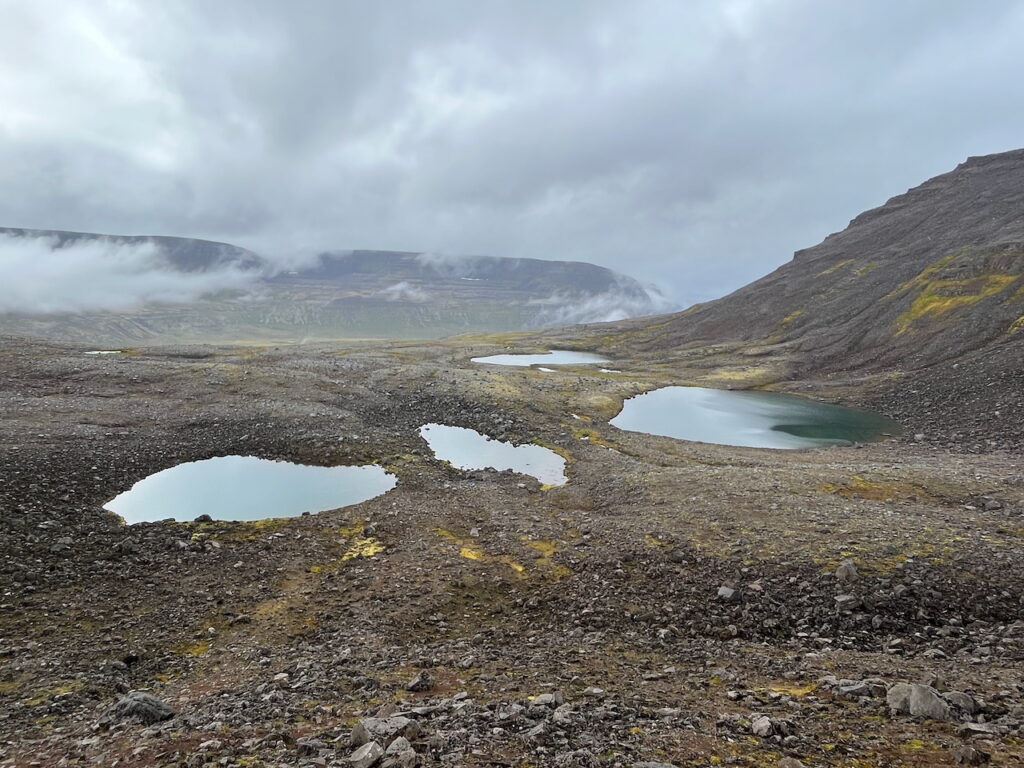
Day 2: Tarn-dotted plateau
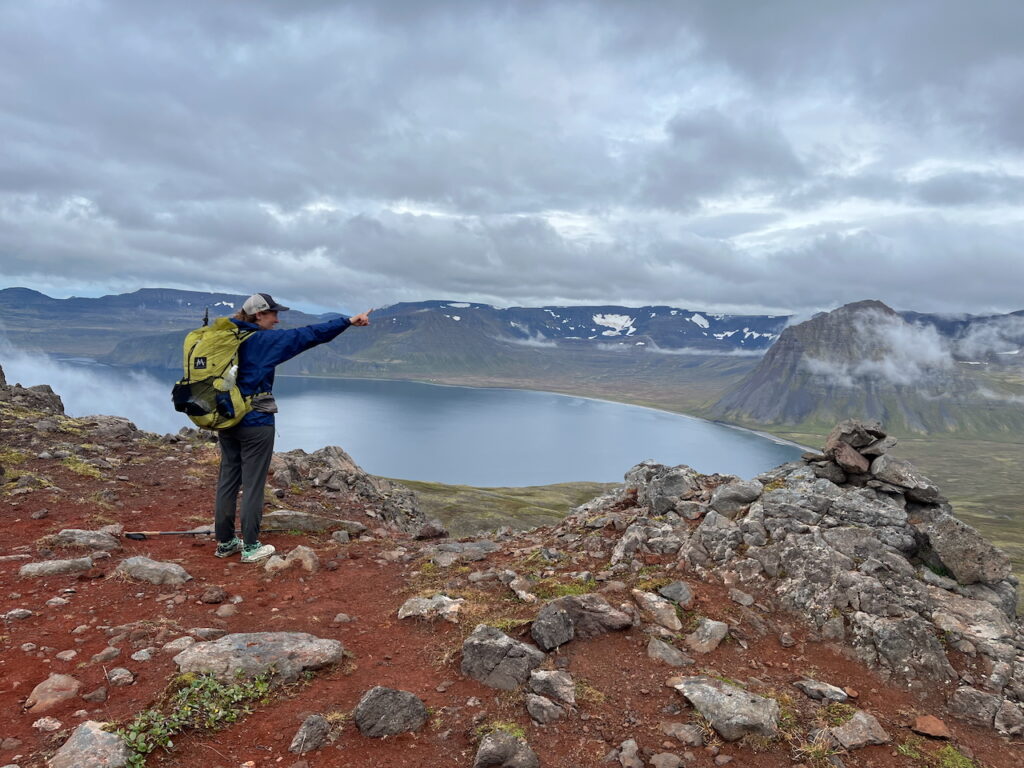
Day 2: Pointing the best way from Almenningaskara Go.
Day 3: Hlöðuvík Bay to Horn Campsite
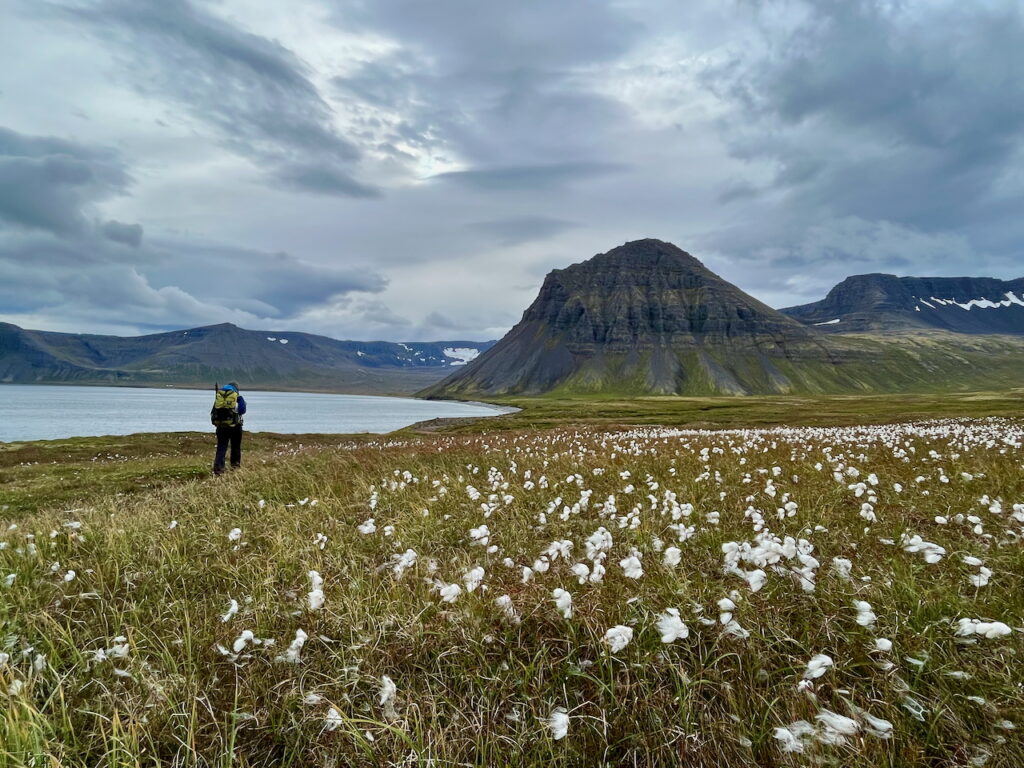
Day 3: The fluffy white tufts of cottongrass (Eriophorum) are a standard sight all through Hornstrandir from mid-to-late summer time.
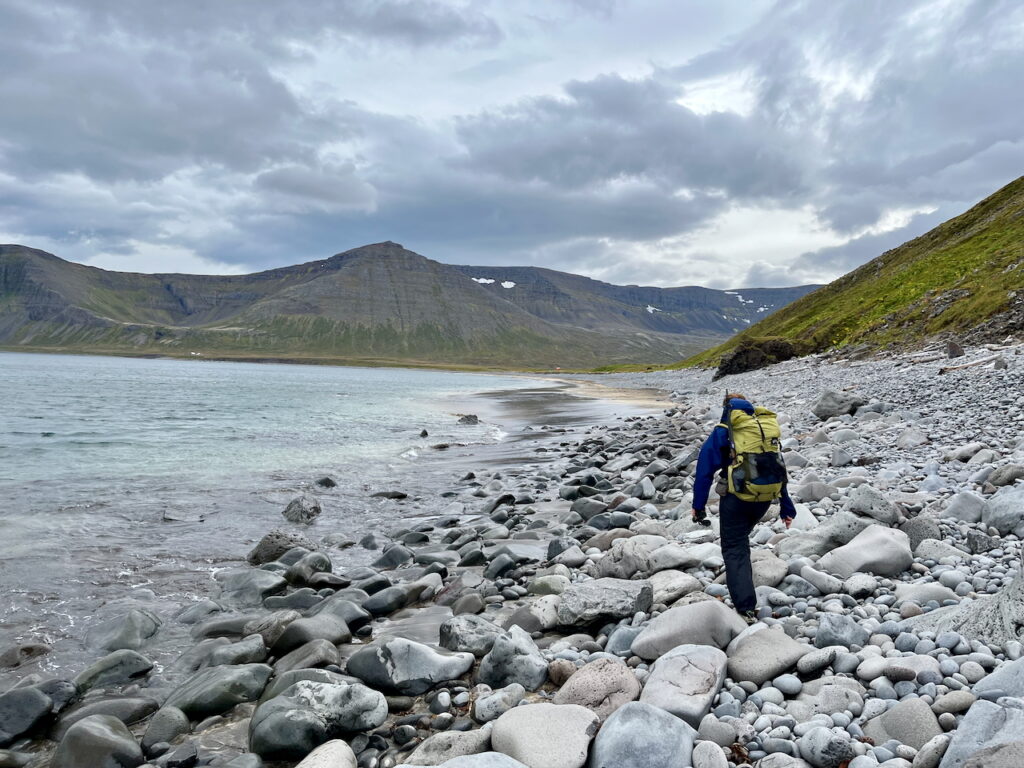
Day 3: Rock hopping north of Einbúi peak.
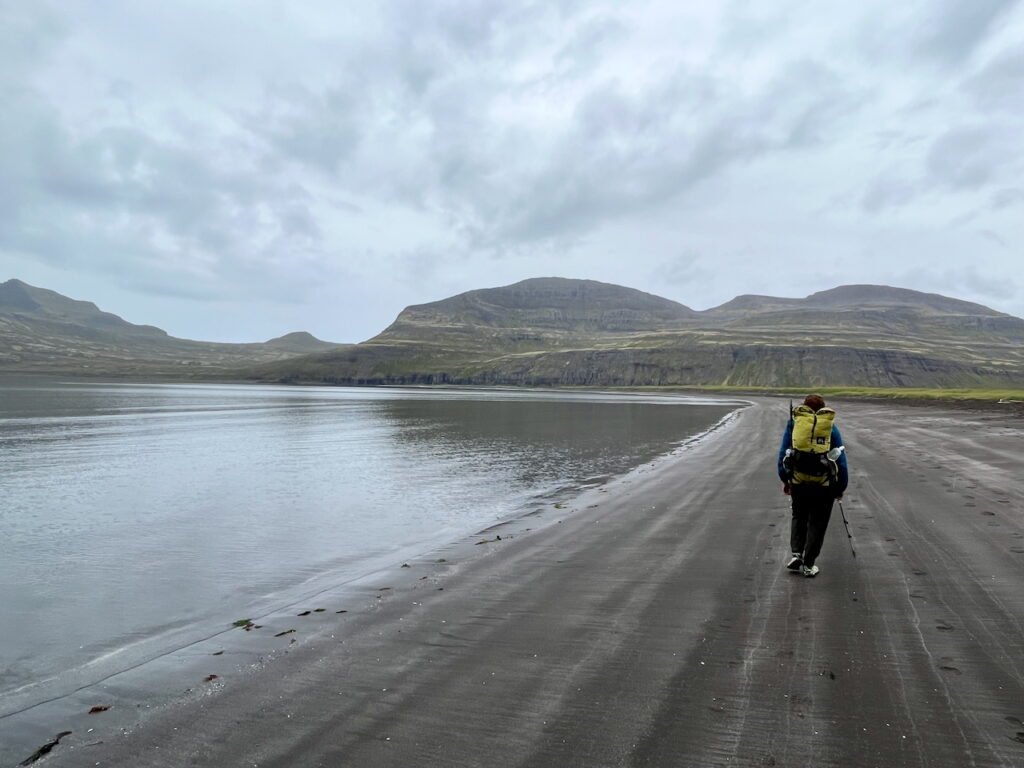
Day 3: The black sands of Hornsvik.
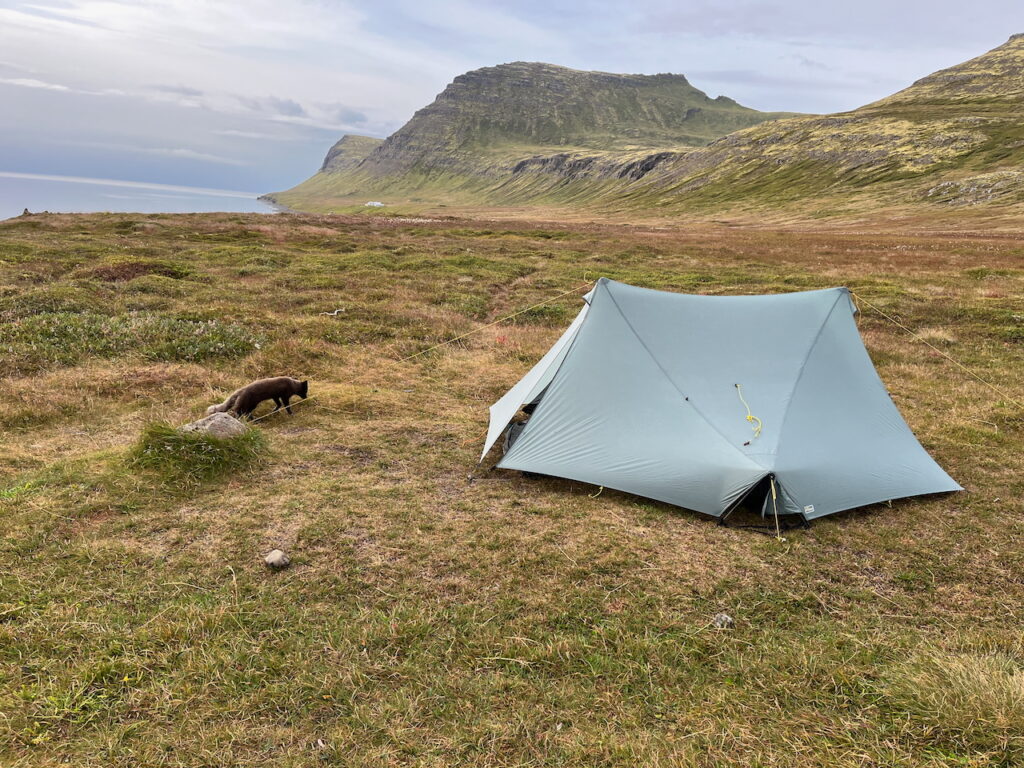
Day 3: Arctic fox at Horn Campsite.
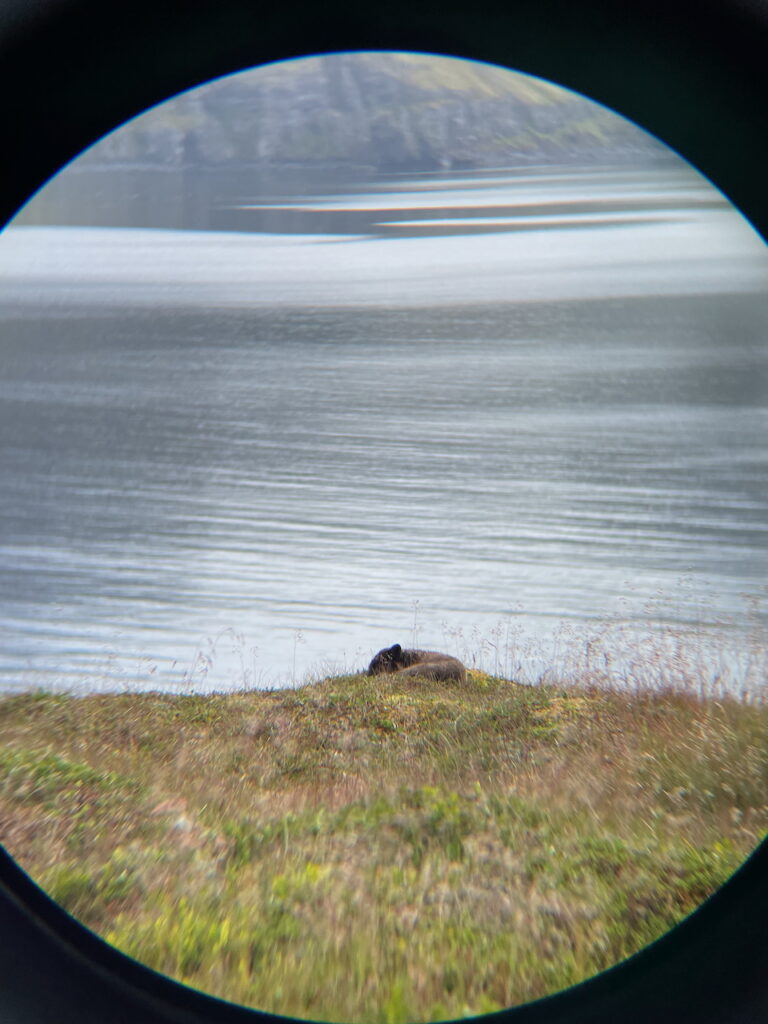
Day 3: After saying its hellos, our pleasant host went for a kip not removed from the tent (as seen via Kate’s binoculars.)
Day 4: Horn Campsite to Hornbjargsviti Lighthouse
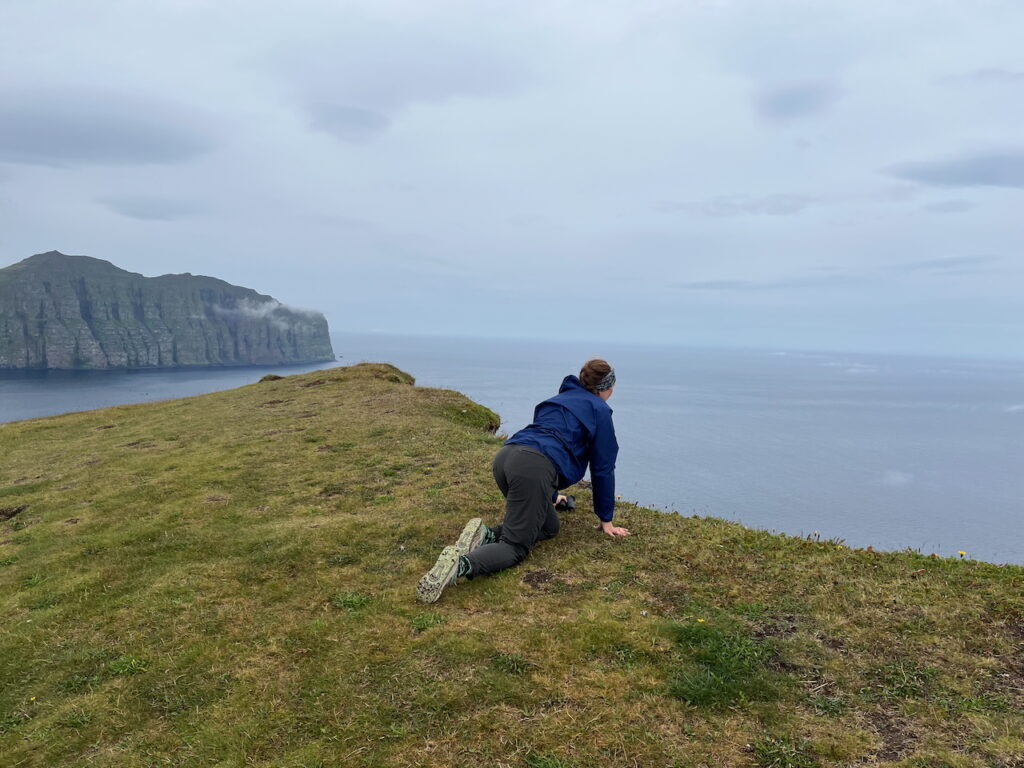
Day 4: Peeking over the sting.
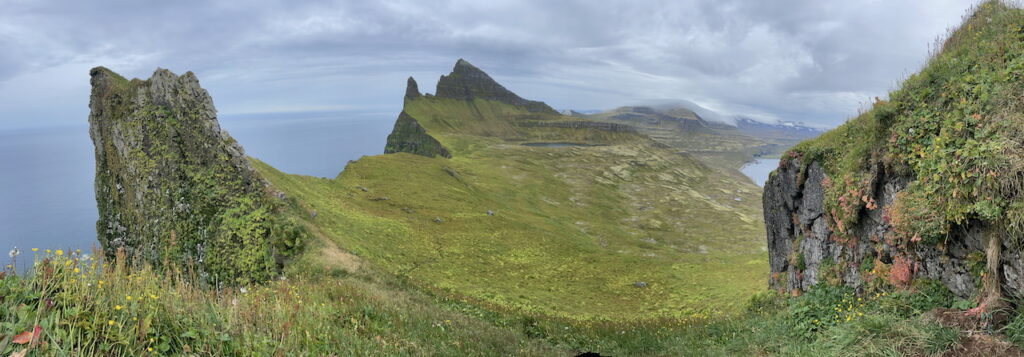
Day 4: Hornbjarg is the signature sea cliff on the Hornstrandir Peninsula (picture by Kate Pickett).
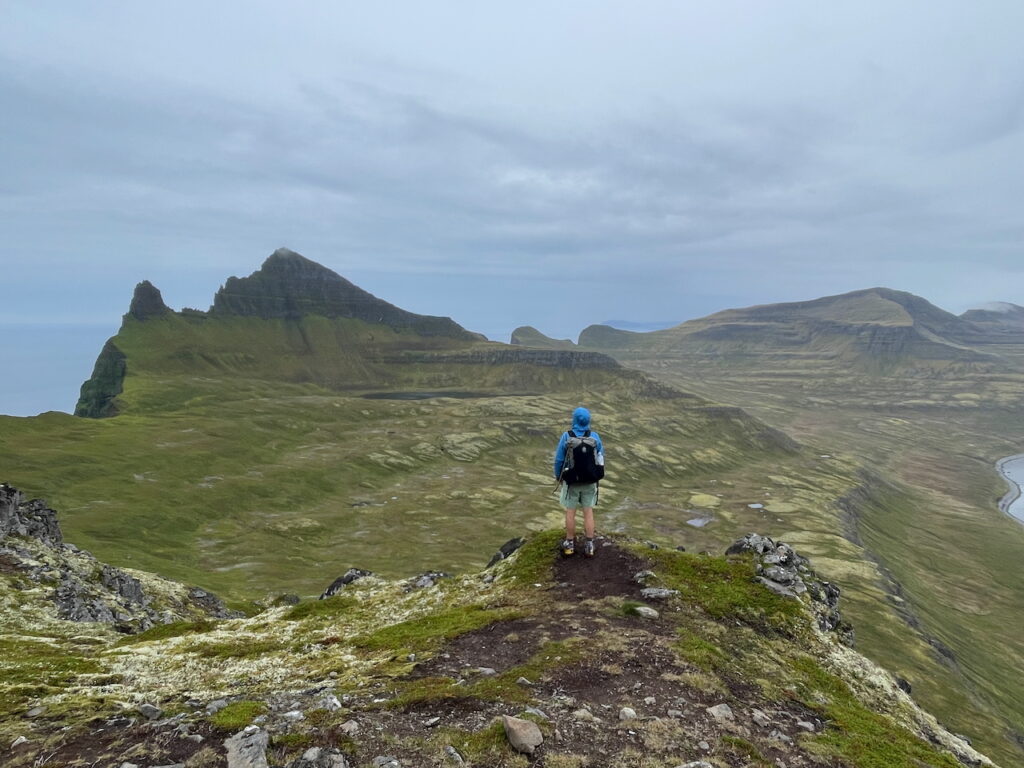
Day 4: Hornbjarg viewpoint (picture by Kate Pickett).
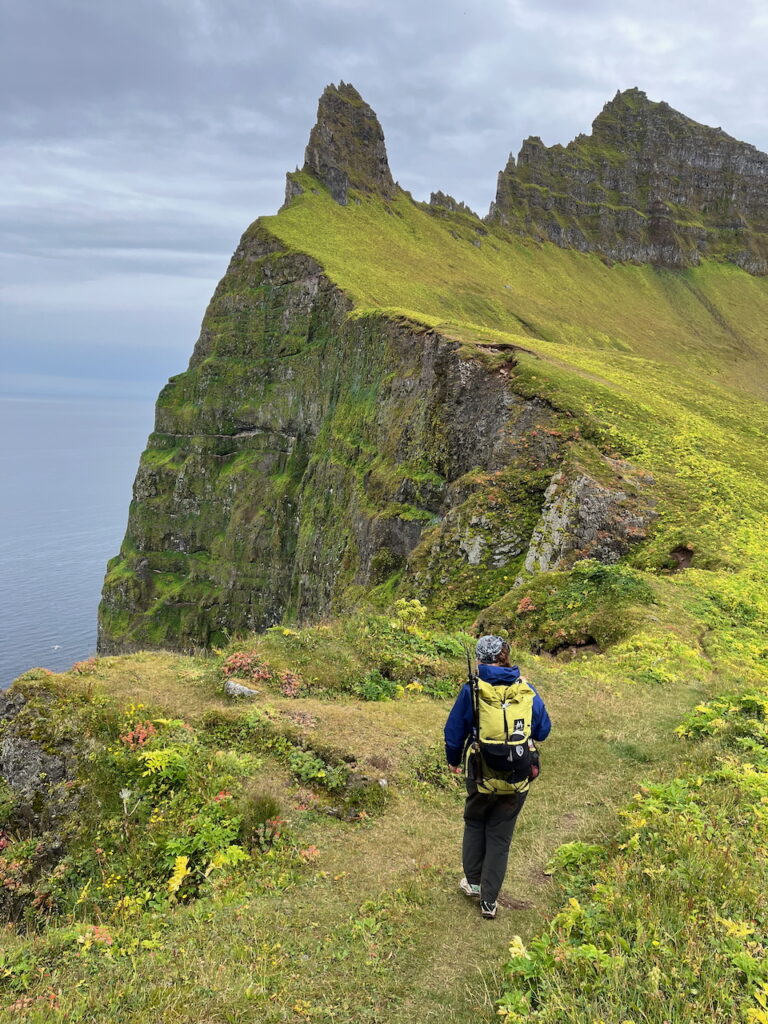
Day 4: Emerald inexperienced carpet meets precipitous shoreline.
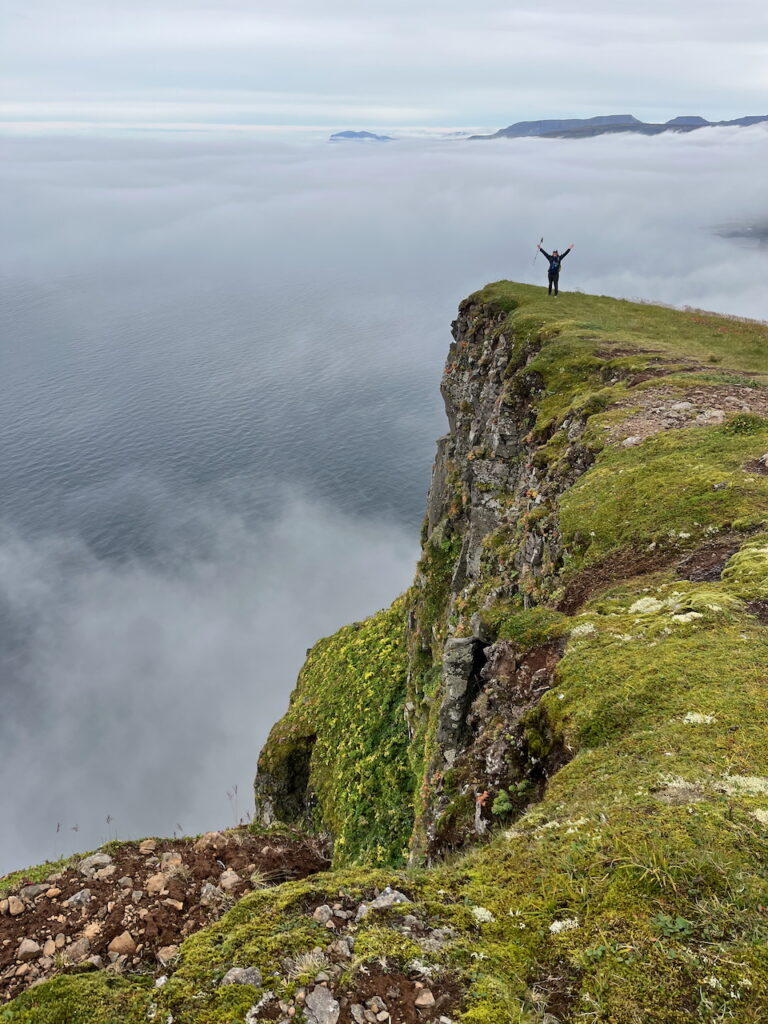
Day 4: Heading south towards Hornbjargsviti Lighthouse.
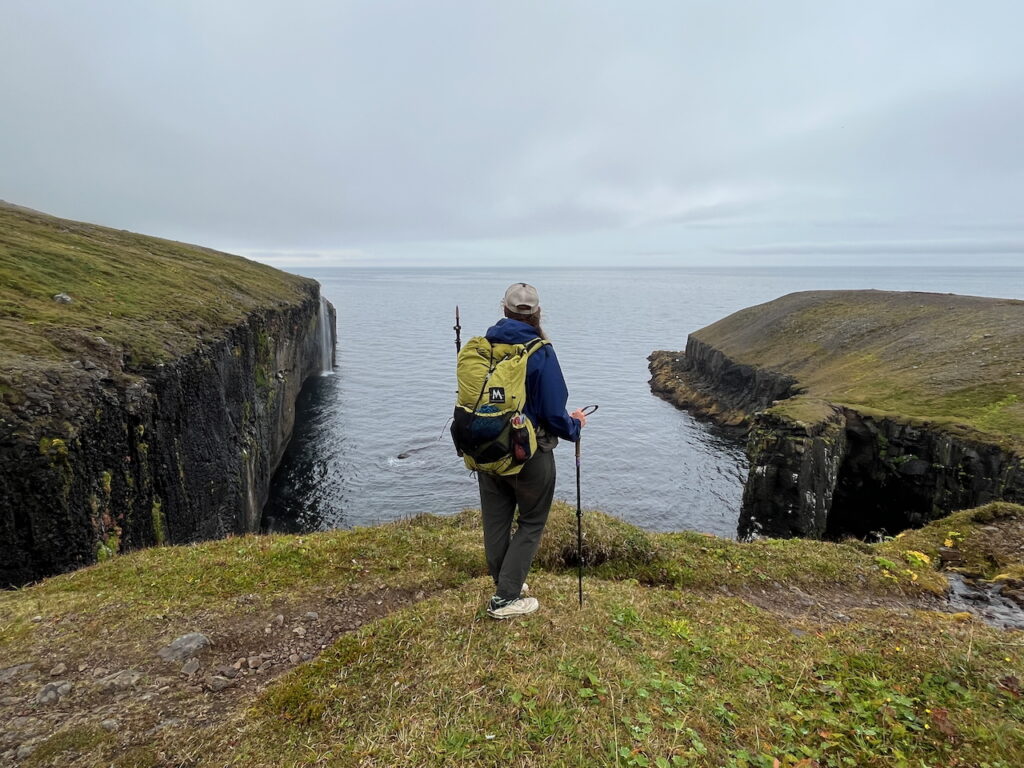
Day 4: The clouds lifted to disclose a small, rectangular-shaped inlet simply earlier than the lighthouse (word the cool little waterfall close to the doorway).
Day 5: Hornbjargsviti Lighthouse to Steinólfsstaðir Campsite
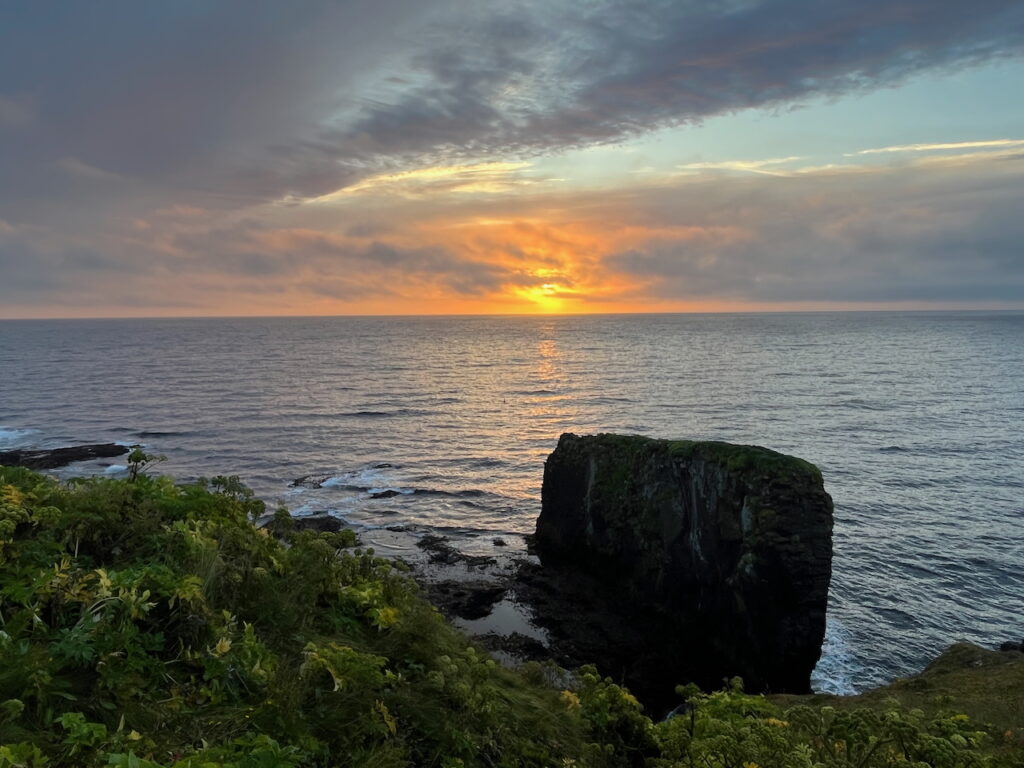
Day 5: Dawn over the North Atlantic from the shore under Hornbjargsviti.
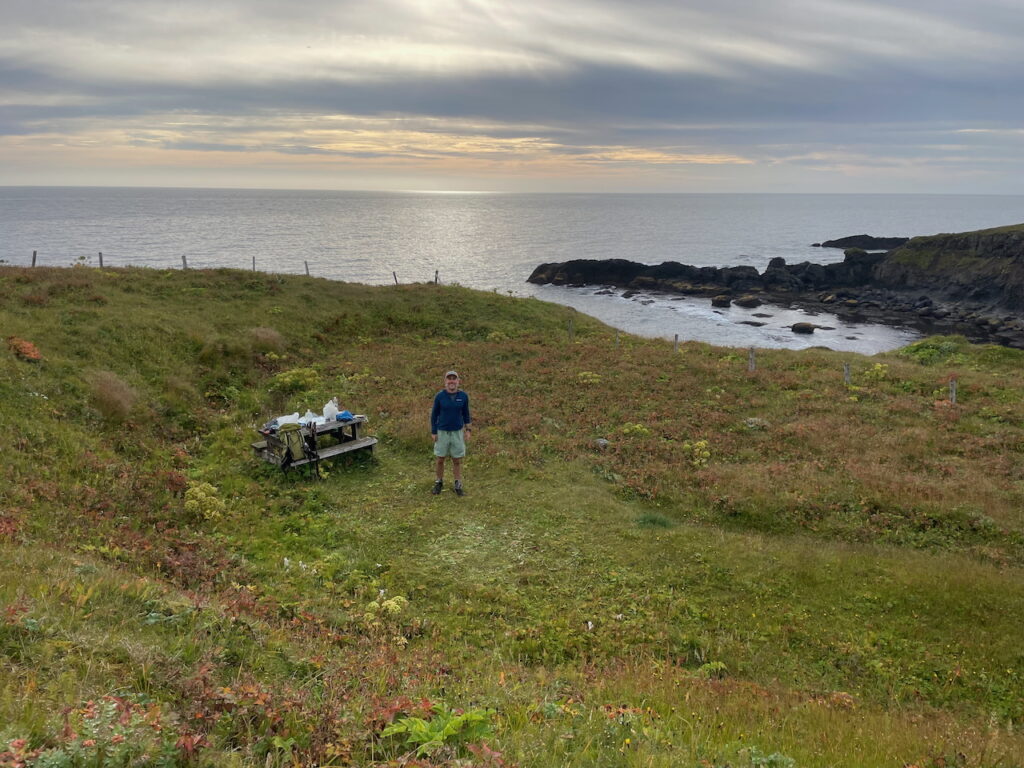
Day 5: Seaside campsite beside the lighthouse (picture by Kate Pickett).
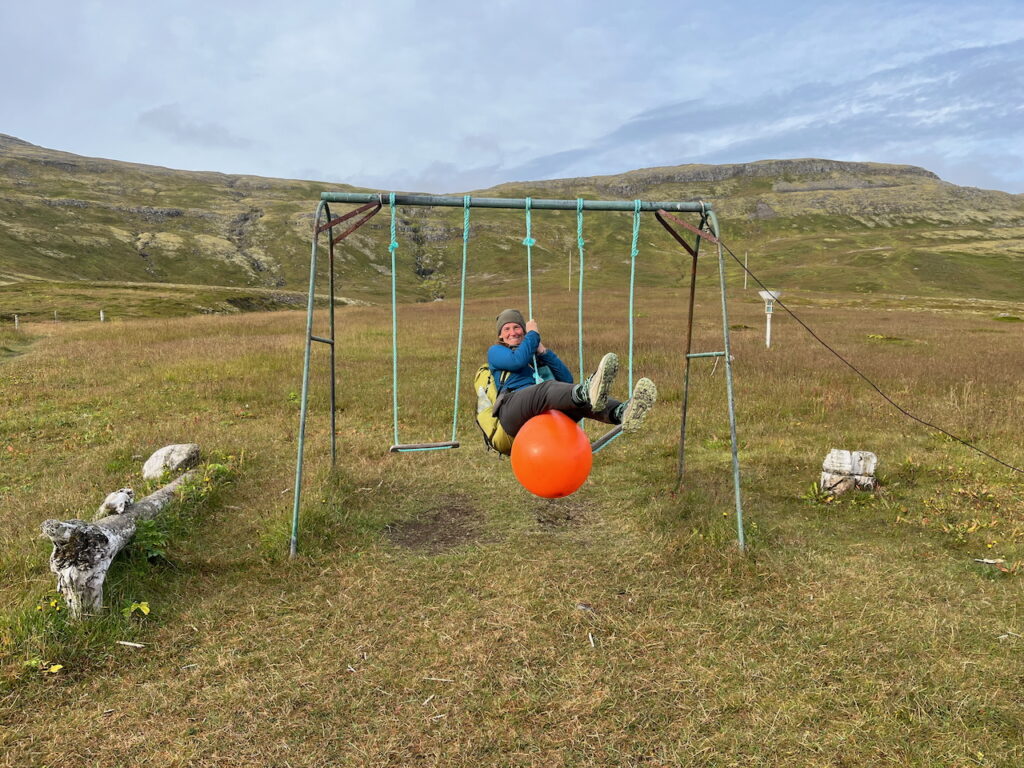
Day 5: One last swing earlier than departure…….
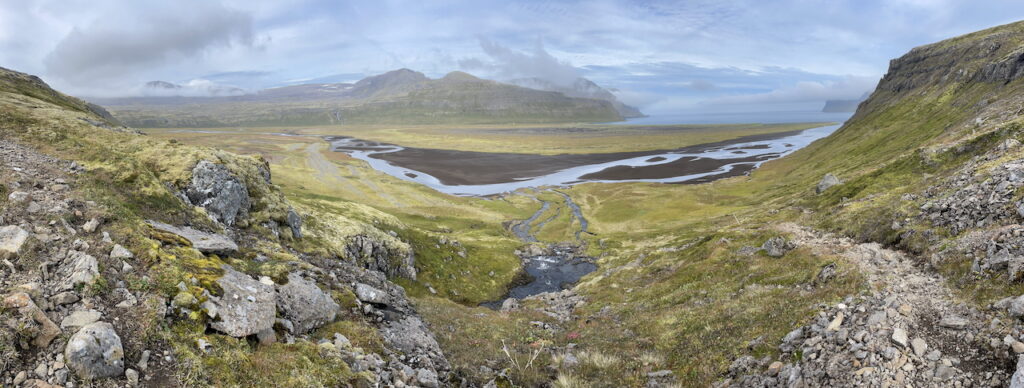
Day 5: Descending from Kýrskarð Go.
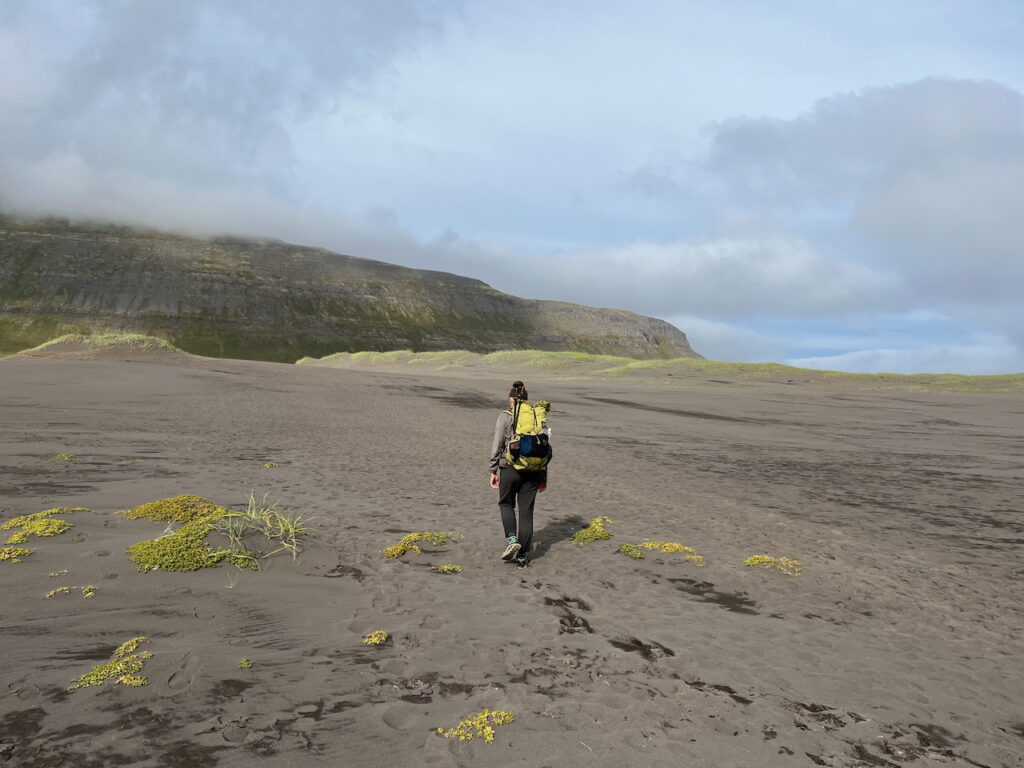
Day 5: Crossing the sand dunes of Hornvik.
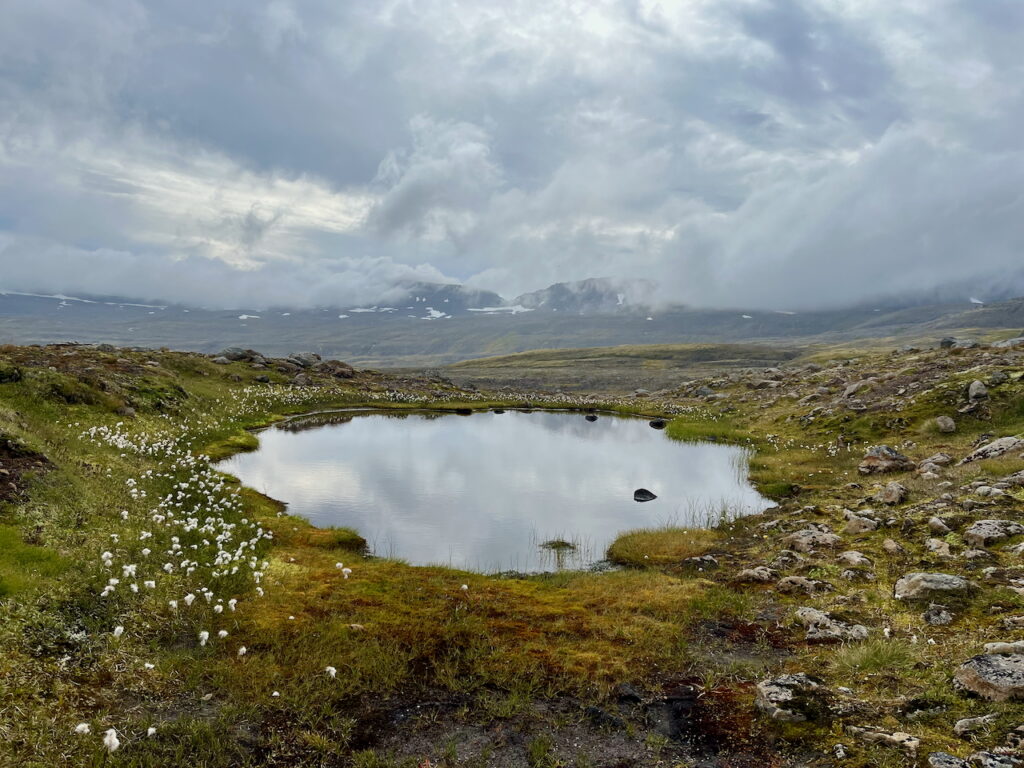
Day 5: Cottongrass-ringed tarn on the ascent to Hafnarskarð Go.
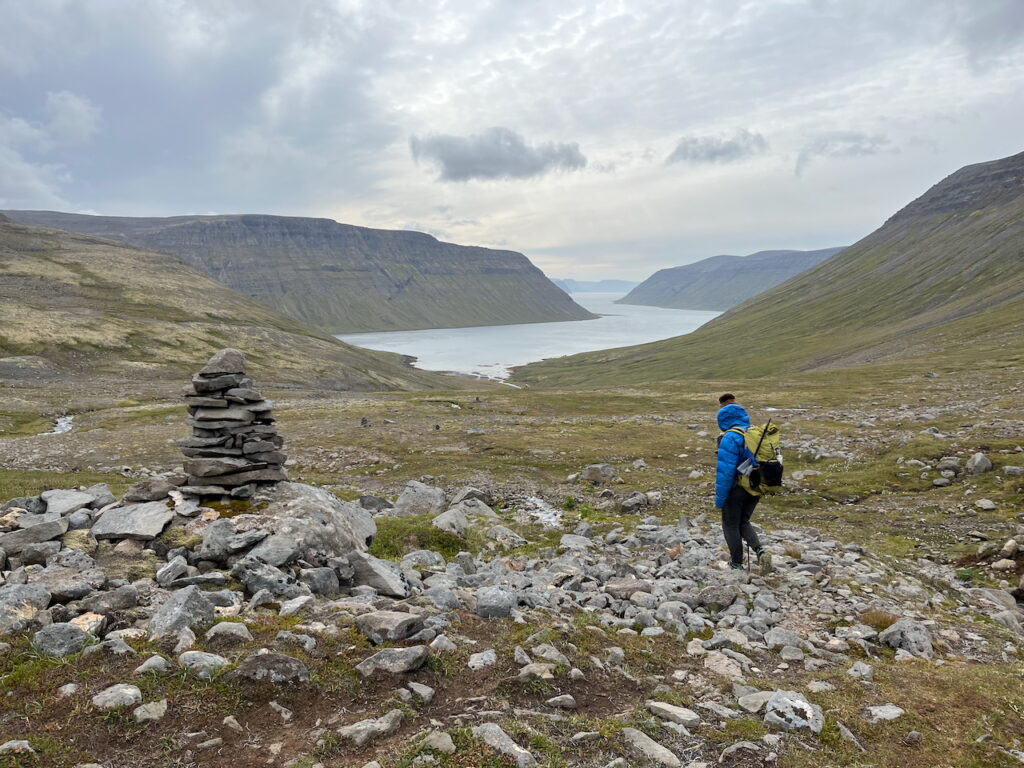
Day 5: Hafnarskarð Go
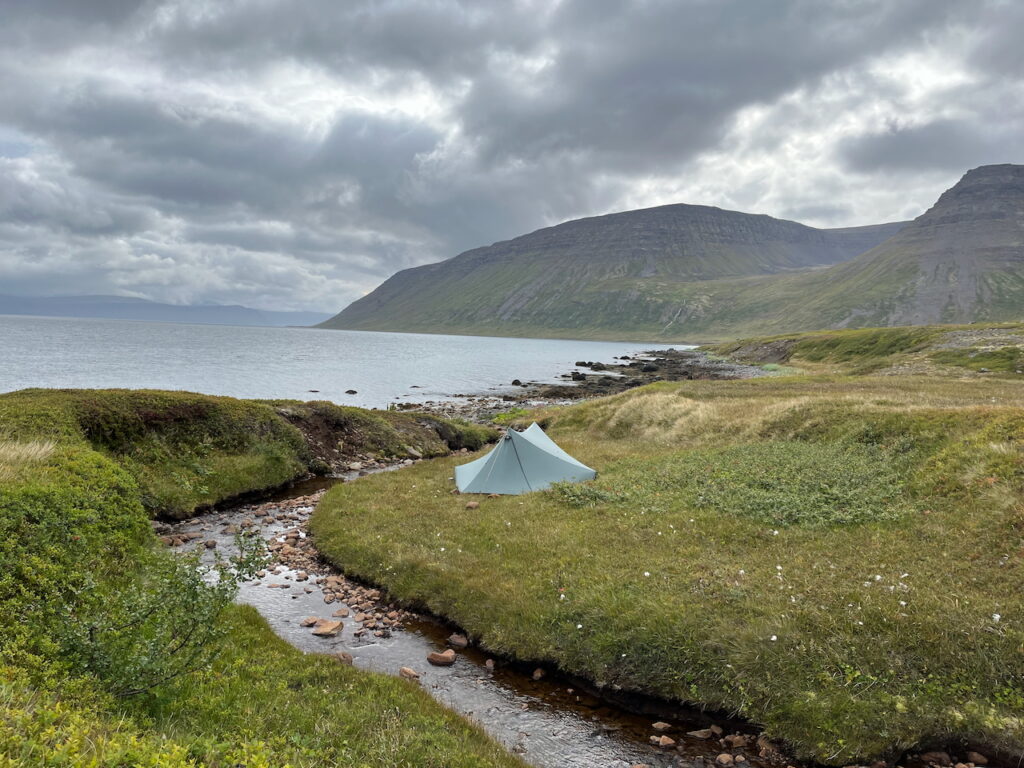
Day 5: The calm earlier than the storm at Steinólfsstaðir.
Day 6: Steinólfsstaðir Campsite to Hesteyri
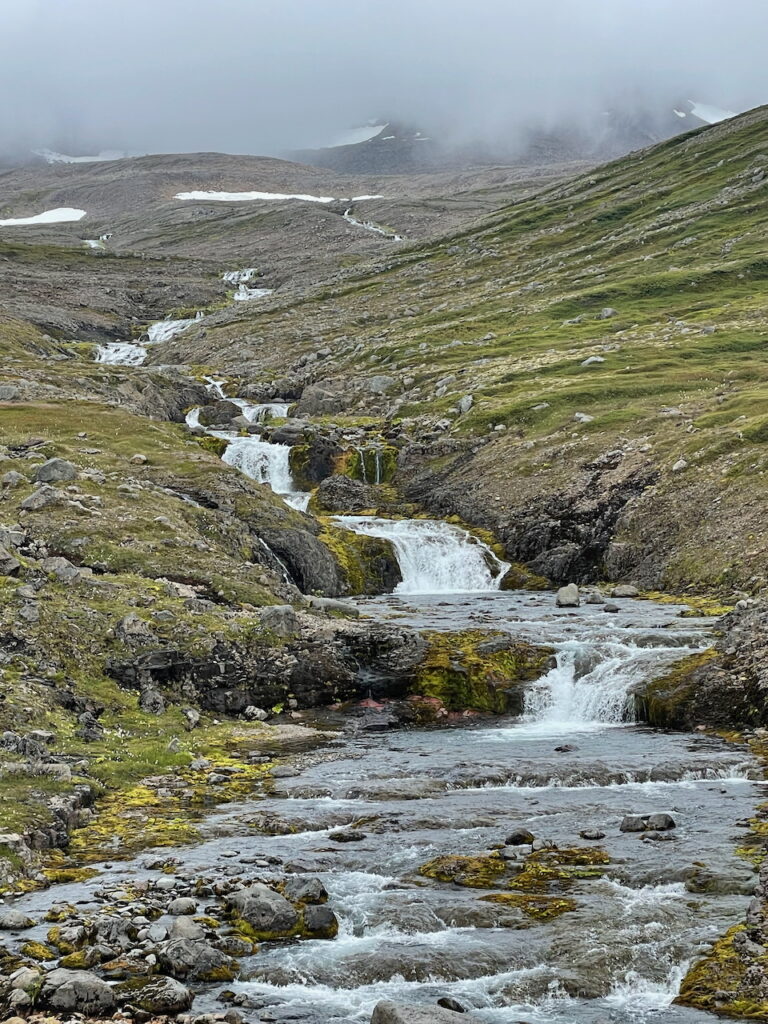
Day 6: Following the water stairs towards a foggy Hlöðuvíkurskarð Go.
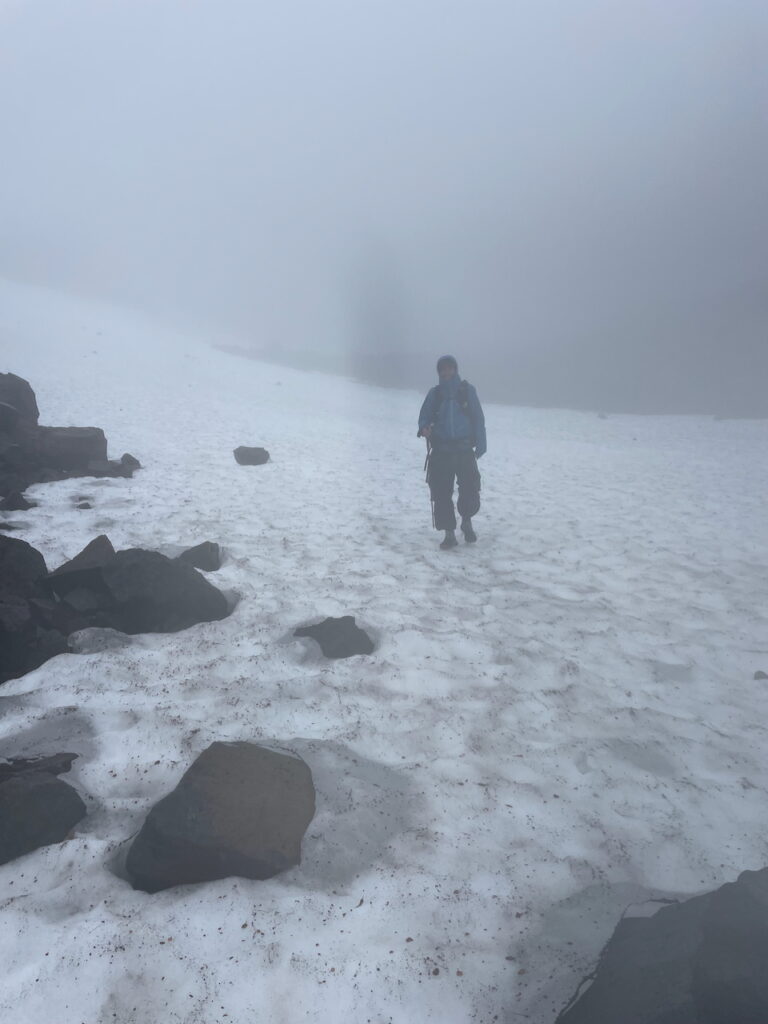
Day 6: Descending from Hlöðuvíkurskarð Go (picture by Kate Pickett).
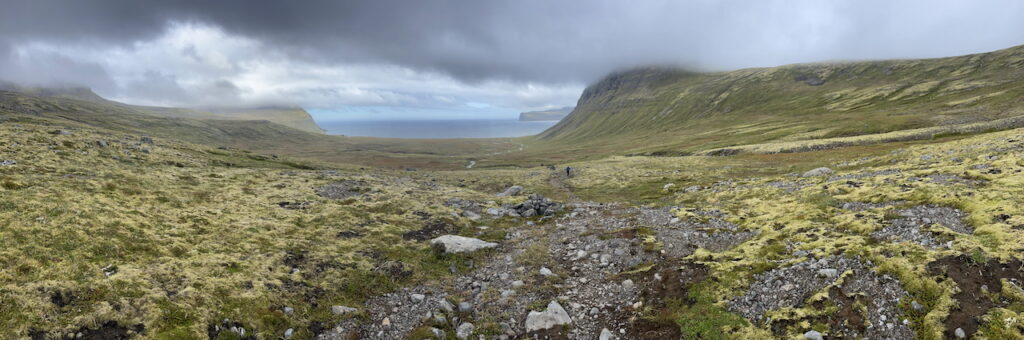
Day 6: Rising from the fog of Hlöðuvíkurskarð, we made our approach northwest throughout soggy plains to Látravík Cove (picture by Kate Pickett).
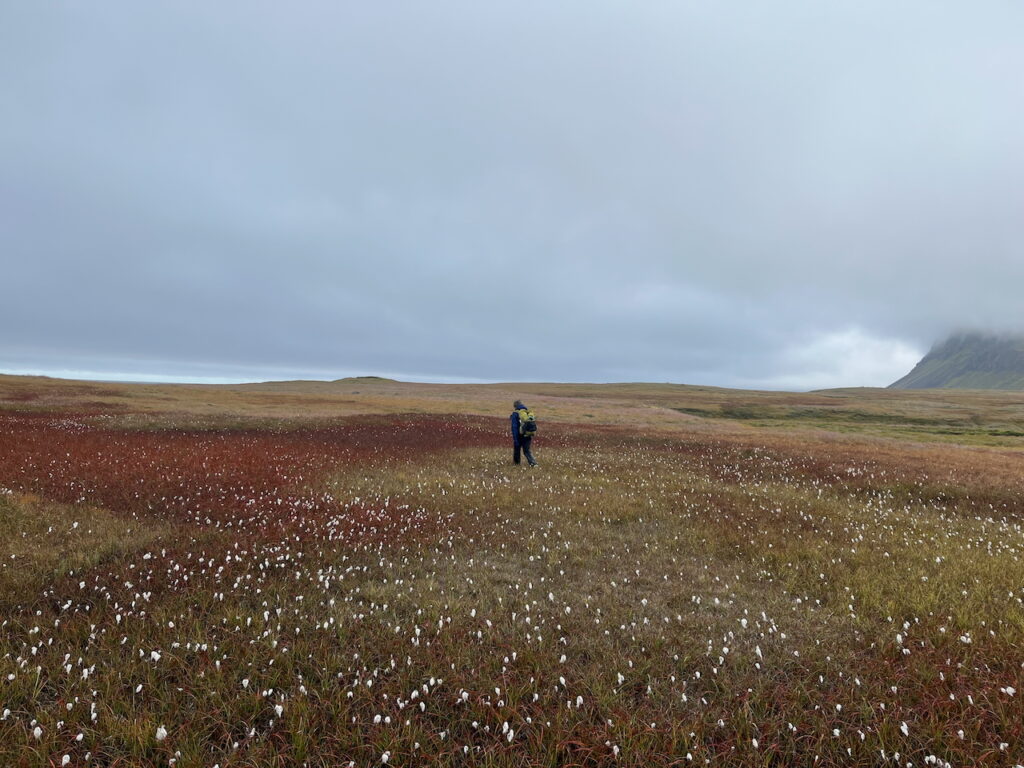
Day 6: By the cottongrass to the coast.
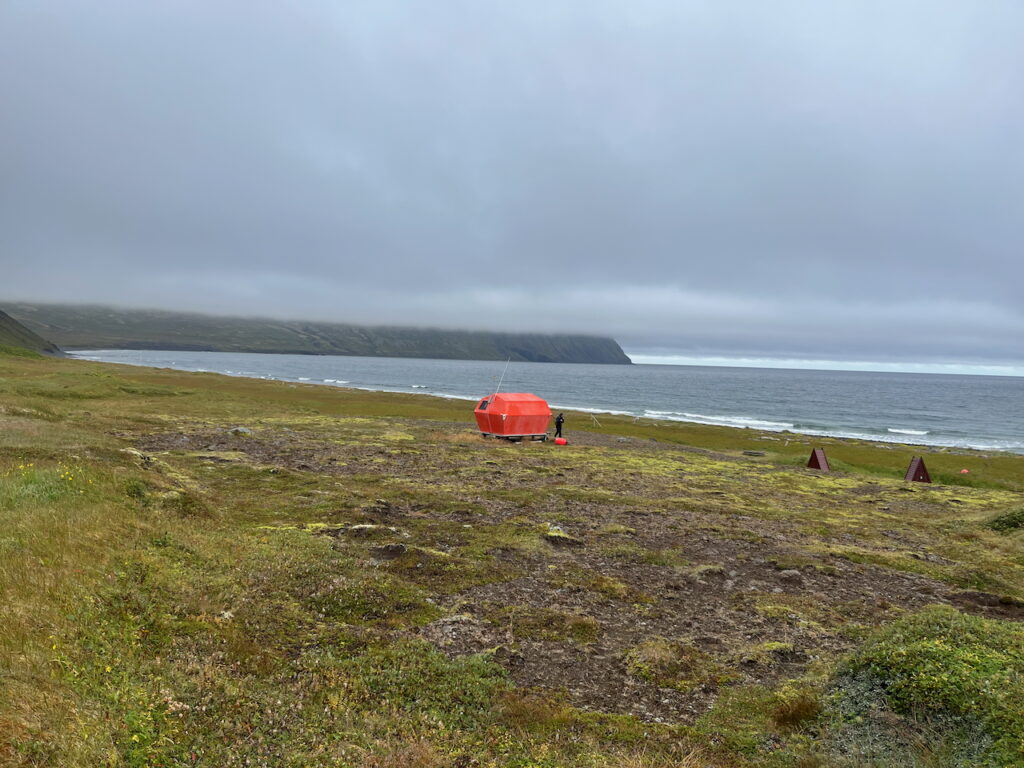
Day 6: Emergency shelter at Hlöðuvík Campsite.
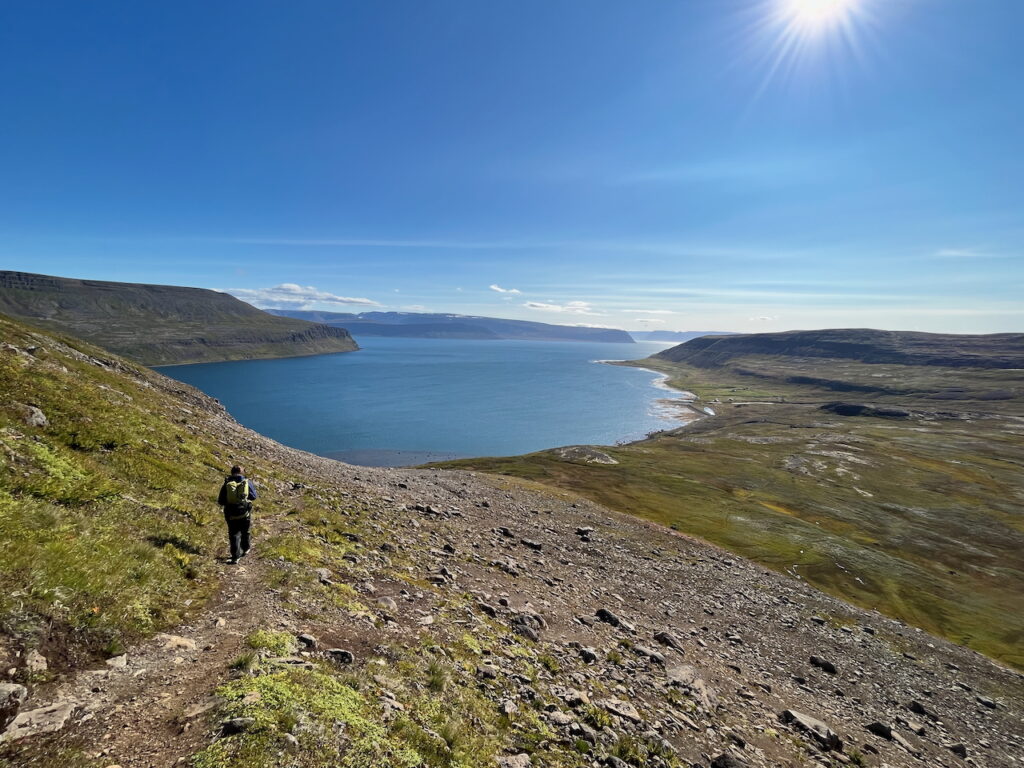
Day 6: Last descent to Hesteyri.
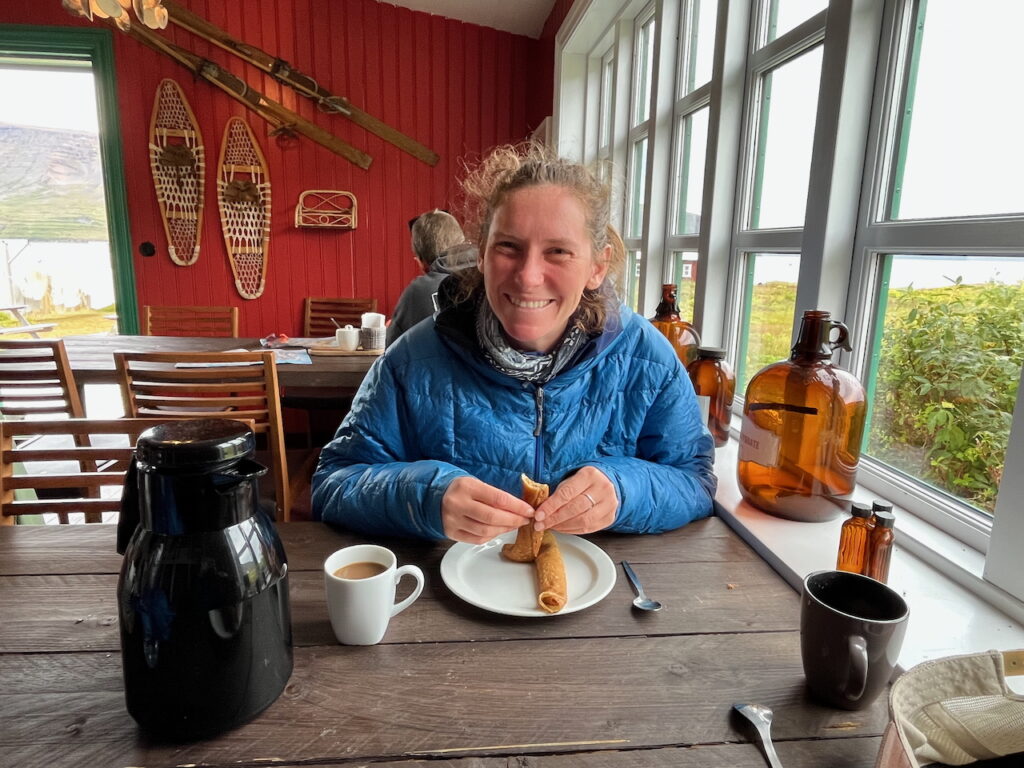
Crepes and low/sizzling chocolate on the Previous Physician’s Home.
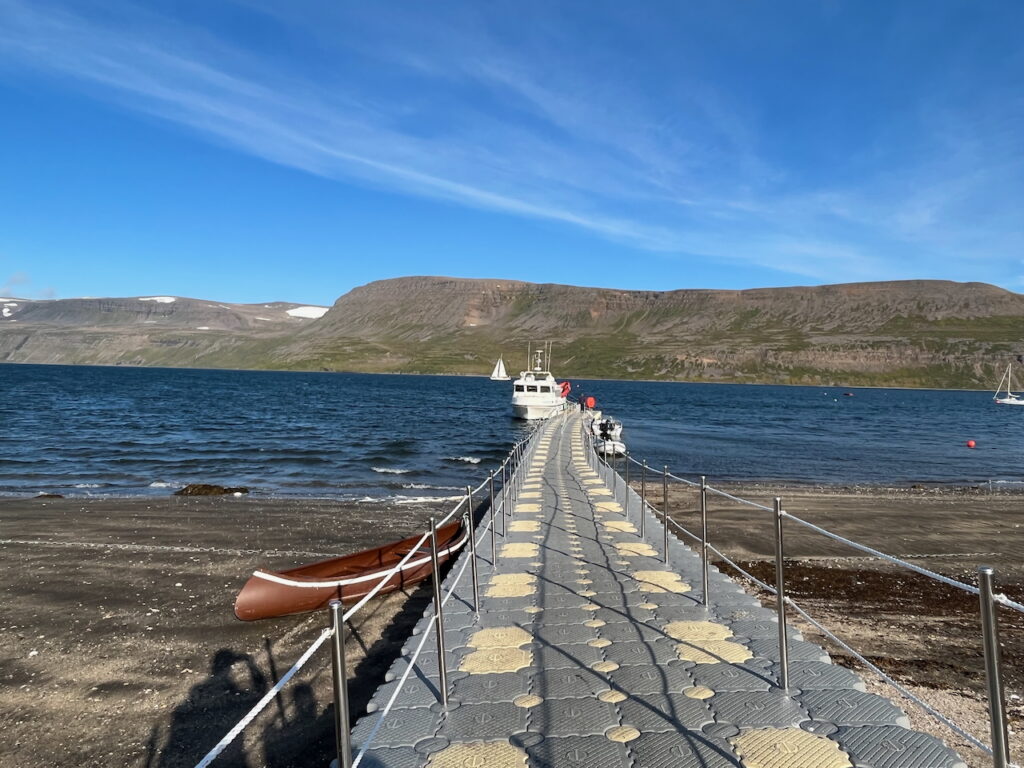
Our journey again to civilization from the Hesteyri dock. We had superior climate on the return journey, and even noticed a pod of humpback whales!
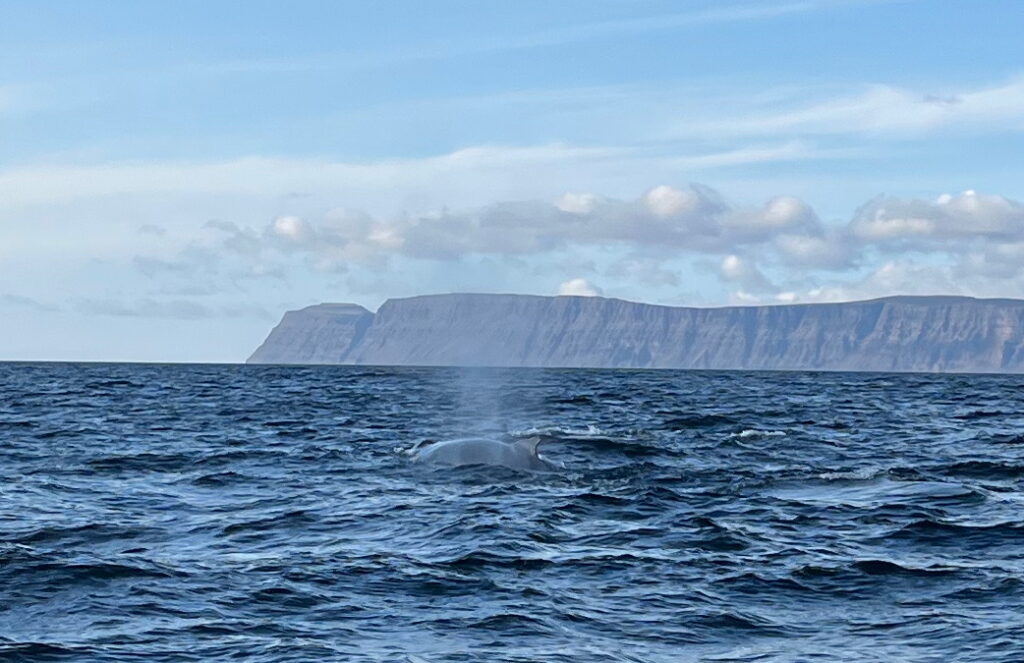
Humpbacks are recurrently seen within the waters across the Westfjords throughout summer time.
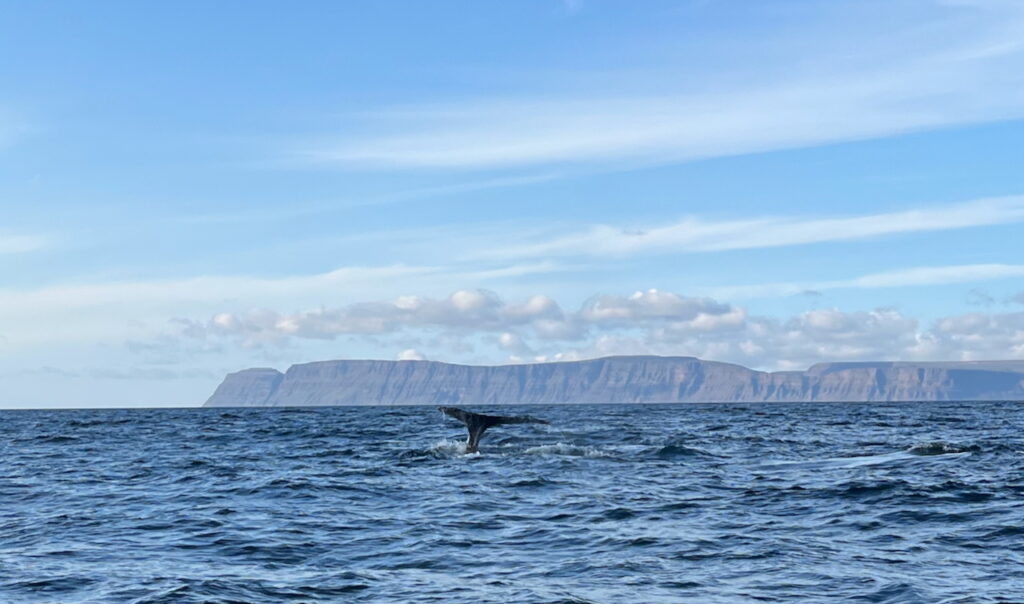
See you subsequent time, Hornstrandir!
Associated Posts
(Observe: Gear checklist for Iceland nonetheless to come back. Most likely essentially the most notable distinction for this journey was that I carried a bigger/extra comfy two individual shelter, the Tarptent Stratospire 2. The remainder of my package was pretty much like the objects famous within the “Nordic” gear lists under):
Uncover extra from The Mountaineering Life
Subscribe to get the newest posts despatched to your e mail.


