Southwest monsoon flash flood overland security: the NWS TADD rule, watch vs warning, when to show round, and a pre-drive guidelines each overlander wants.
Each July I begin seeing the identical posts in overlanding boards: “heading to southern Utah subsequent week, something I ought to learn about monsoon season?” Southwest monsoon flash flood overland security is the one most necessary factor to plan for between late June and mid-September throughout Arizona, New Mexico, southern Utah, and the desert Southwest — and the rain you see is never the rain that will get you.
I need to begin with one thing that has rattled me for years, not as a result of I need to relive it, however as a result of the folks I meet at trailheads each July appear to suppose it will possibly’t occur to them.
Right here is the state of affairs I’ve watched occur extra instances than I can rely. A rig pulls into a large gravel wash south of Flagstaff about 4 p.m. Skies to the west are slate. The driving force figures there may be time. Pulls ahead one other 200 yards onto what seems just like the driest sand within the canyon, units the camp range, cracks a beer. Twenty minutes later, water is lapping on the rear differential.
That’s the headline, and the headline is what may have occurred if the motive force thought “I’ve time” yet another minute.
What the monsoon truly does to the desert
The North American monsoon pushes moisture north from the Gulf of California and the Pacific each summer time. NOAA calls it a seasonal sample shift quite than a storm, which is why the forecast tends to underplay it. From late June via mid-September the higher environment holds deep tropical moisture over Arizona, New Mexico, southern Utah, southern Colorado, and much west Texas. The Arizona Division of Transportation monsoon security web page tracks street closures in actual time throughout flood occasions, and New Mexico DOT’s street circumstances map does the identical for that state. Most afternoons produce a thunderstorm someplace in that area. Warmth and terrain conspire to wring the moisture out quick.
The rain you see in entrance of you isn’t what floods you. The Nationwide Climate Service warns that flash flooding can happen miles from the storm. A cell ten miles upstream, over terrain you can not see, can ship a wall of water to your campsite inside minutes. The NWS Phoenix monsoon security information is blunt about this: by no means camp or park in a wash, even when the sky above you seems positive.
The signature of an actual flash flood isn’t rain the place you’re. It’s the roar of runoff you can not see but.
What two toes of water truly does
The Nationwide Climate Service publishes the Flip Round Do not Drown rule each spring. The numbers aren’t opinions. They’re averages throughout a big physique of deadly incidents:
About half of all flood-related drownings contain a automobile pushed into hazardous floodwater.6 inches of shifting water can knock an grownup off their toes.12 inches can carry most vehicles.2 toes of shifting water will carry away SUVs and pickups.
Learn that once more. Two toes. The depth of a kitchen countertop. The present does the work, not the depth. A 3-ton truck has a couple of 50 p.c likelihood of staying put in 2 toes of gradual water; in 2 toes of quick water it has no likelihood in any respect.
I inform those that quantity on each camp setup. It’s the one stat they keep in mind.
Watch versus Warning, and why it issues
This confuses nearly everybody the primary time. The NWS flood security web page attracts the road clearly:
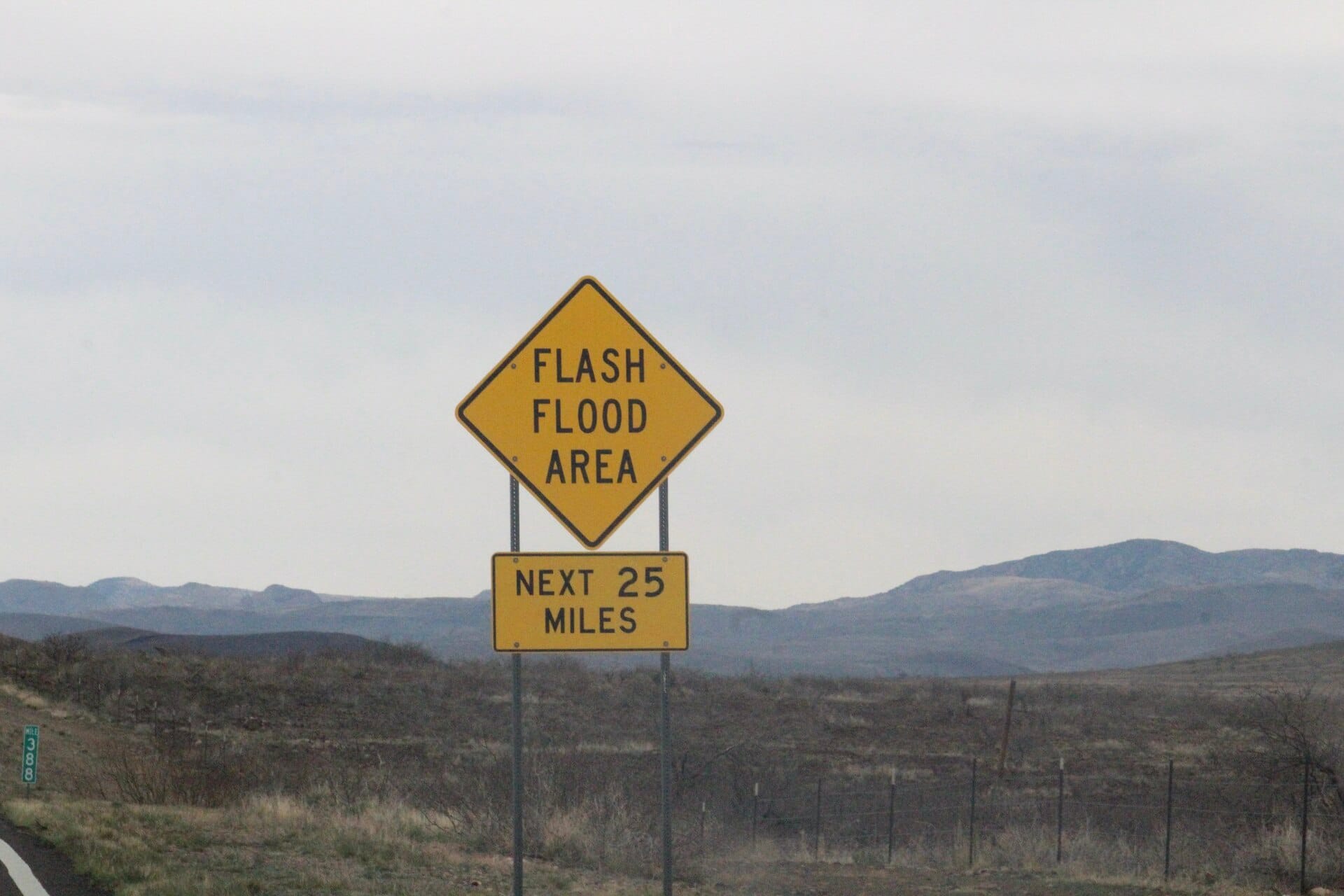
Flash Flood Watch means circumstances are favorable for flash flooding. Be ready to maneuver. Decide your excessive floor now. Determine what gear stays and what goes.Flash Flood Warning means flash flooding is going on now or imminent. Transfer to increased floor instantly. Don’t attempt to retrieve gear.
A watch is your planning window. A warning is your motion clock. In case you look forward to the warning to resolve the place to go, you may have already misplaced the choice. Decide your excessive floor earlier than the watch turns into a warning.
Why folks drive in anyway
If each overlander is aware of the rule, why do the deaths preserve taking place? The NWS marketing campaign supplies are blunt about why. Drivers report three solutions more often than not:
“I’ve made it throughout earlier than.” Most washes that kill folks ran clear for years earlier than the 12 months they killed someone. The form of the drainage doesn’t change. The climate does.”The water doesn’t look that deep.” Depth isn’t the variable. Present is. Six inches of quick water is extra harmful than three toes of gradual water, and individuals who drive in are guessing present by eyeball. The FEMA Nationwide Threat Index for riverine flooding maps the counties the place flash flood danger is highest — each main Southwest overlanding hall lands within the high tier.”I simply have to get throughout shortly.” Velocity doesn’t save a automobile from particles wedging towards a tire or a culvert. Velocity doesn’t save a driver from a washed-out street floor.
The sample isn’t ignorance. It’s overconfidence. The corrective isn’t extra studying. It’s the rule that you simply reverse the second the street underneath the water turns into invisible.
Backing out of a rising wash is its personal ability. Individuals panic, drop right into a low gear, and drive straight into deepening water as a result of reversing appears like retreat. It isn’t retreat. It’s the complete level.
The rule I run by: if the street forward crosses a wash with working water and I can’t see the street floor via the water, I cease. I don’t take a look at the depth. I don’t drive in to “see how unhealthy it’s.” I again up the best way I got here, discover the closest excessive floor, and park there.
BLM Utah’s flash flood security web page is constructed for this precise second. Two takeaways that each overlander ought to memorize:
By no means drive round a barricade. Barricades are positioned the place the street floor could also be washed out and hidden.In case you can’t see the street, don’t guess the place it’s.
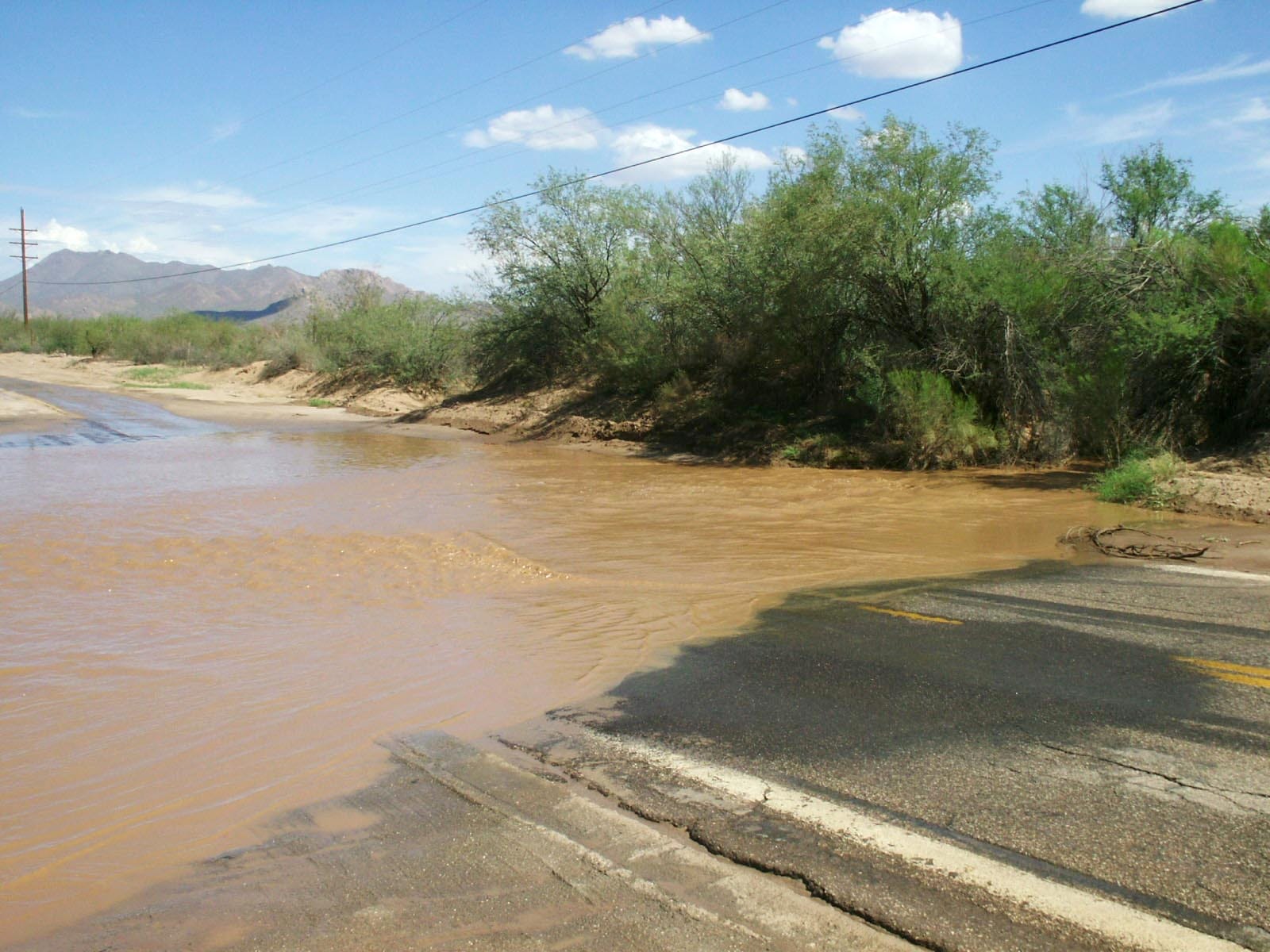
The precept generalizes: if a street seems like a lake and you can not see the asphalt underneath the water, the street is not a street. It’s a low spot within the drainage.
Studying the sky, the canyon, and the wash
The NPS Zion flash flood web page has probably the most helpful subject guidelines I’ve seen. 5 warning indicators, on this order:
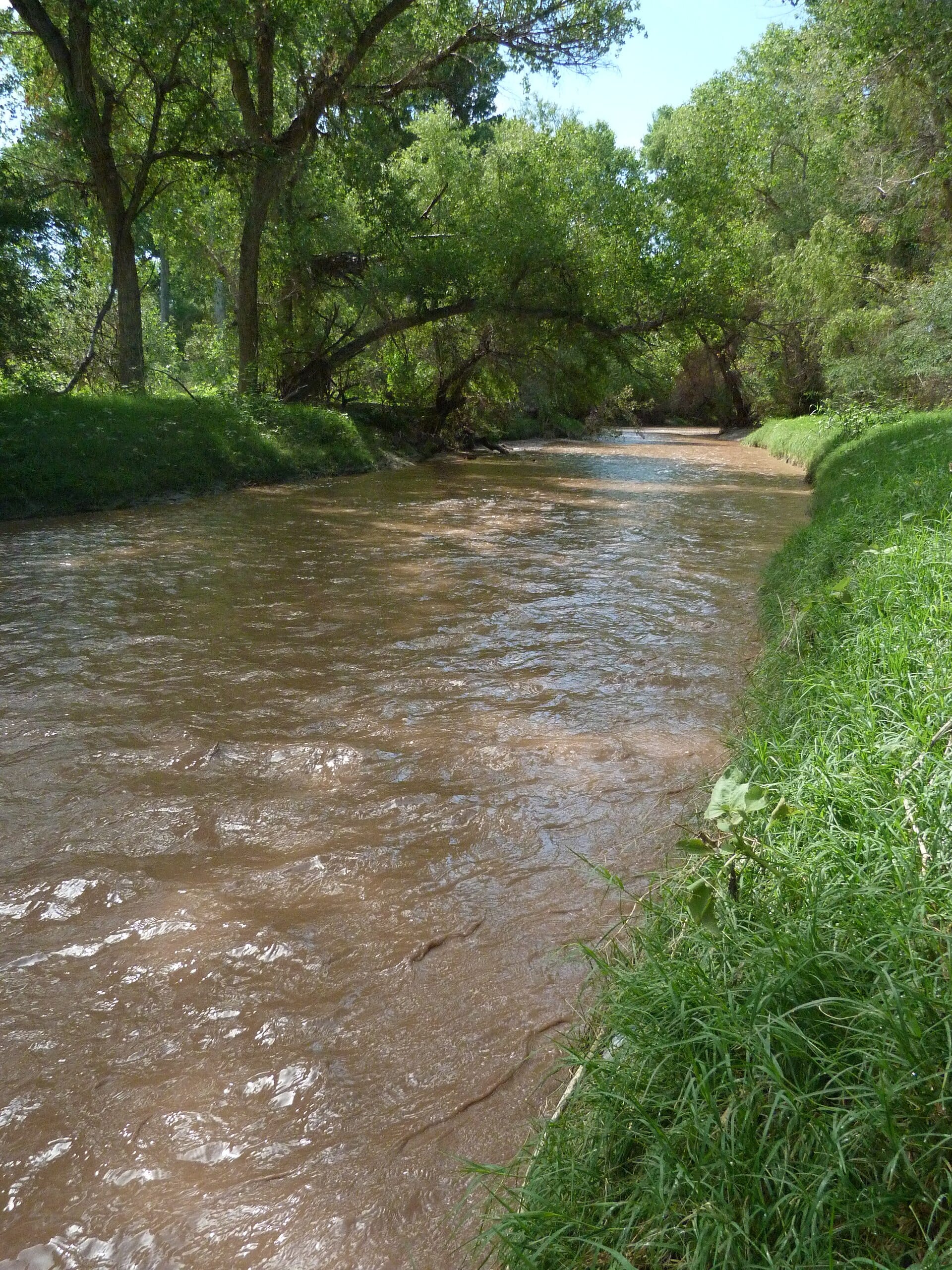
Storm clouds constructing, even when they’re far-off.Water within the wash altering colour — going from clear to chocolate brown means sediment is being picked up upstream, which suggests actual circulation.Water rising, even slowly.Floating particles — sticks, branches, leaves shifting previous you. Particles means the water has sufficient vitality to maneuver stable objects.Growing roar upstream — the noise of a flood is audible lengthy earlier than the water arrives. In case you hear it and haven’t heard it earlier than, deal with it as your remaining warning.
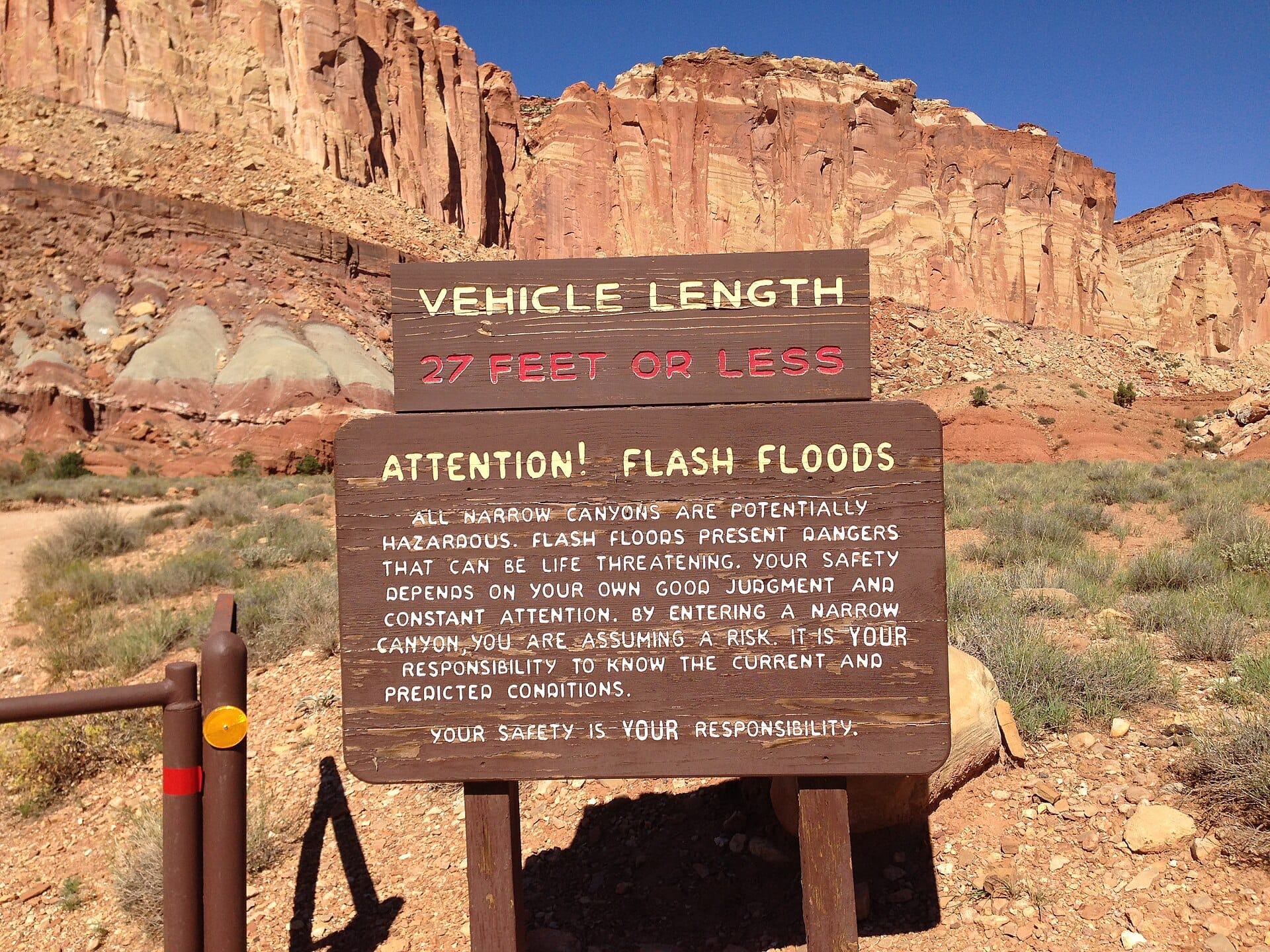
The NPS Capitol Reef web page provides one other one which bites folks yearly: lower than half an inch of rain in an hour, on terrain west of the place you’re, can ship a flash flood to the canyon you’re in. Storms far-off flood canyons the place no rain is falling. There is no such thing as a secure distance if you end up camped in a drain.
Whenever you flip round
There’s a second on each monsoon drive the place the query turns into binary: keep on the deliberate line, or cease and again up. More often than not, the appropriate name is to cease. The incorrect name is to roll ahead “to see whether it is satisfactory.” The street floor is the take a look at. In case you can’t see it, you can not belief it. The wash isn’t a street. It’s a shifting, debris-loaded channel with a present that doesn’t care about your carry package or your tire stress.
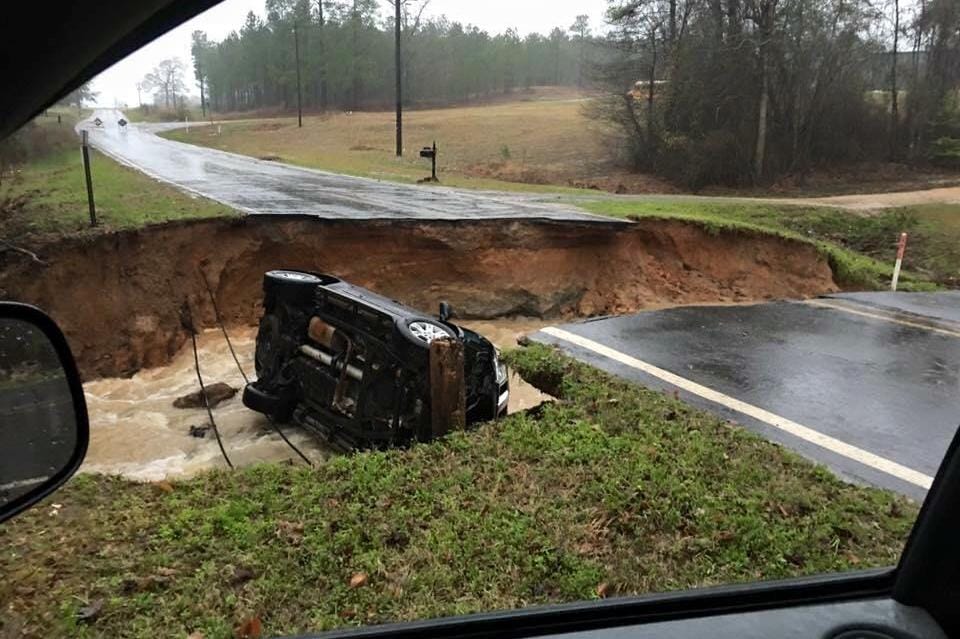
Backing out takes longer than driving via. That’s the level. The time you spend backing is the time the water must peak. In case you again out and the water rises an hour later, you may have made the appropriate name. In case you again out and the water by no means rises, you may have made the appropriate name and misplaced ten minutes. Each are wins.
Choosing a camp that doesn’t flood
Three guidelines, all onerous:
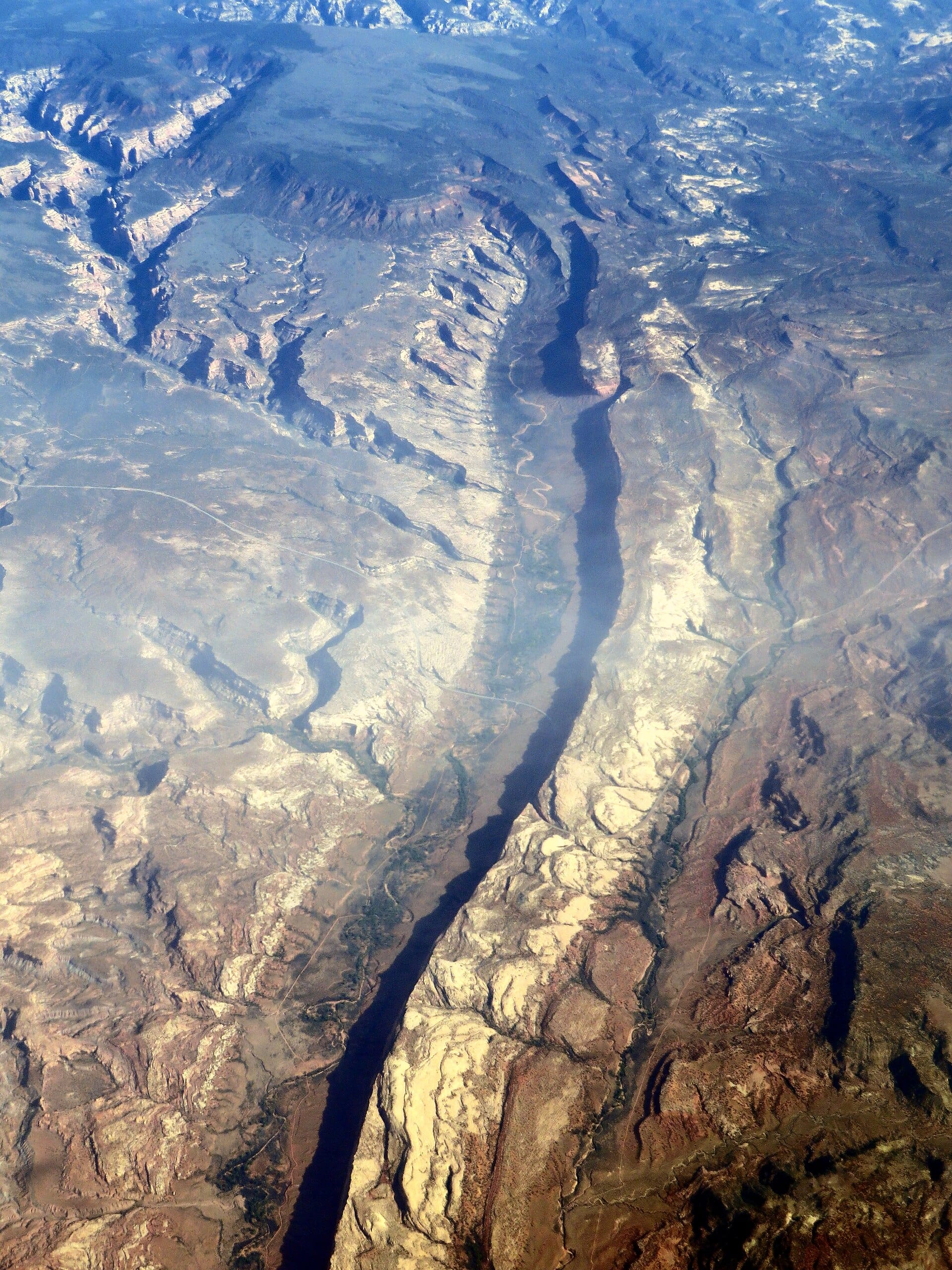
Decide excessive floor first, then aesthetics. Huge flat websites in a wash backside are the worst place to camp throughout monsoon season, irrespective of how good the gravel seems.Arrange on a shelf above the energetic channel. A wash could not have water in it proper now. It can have water in it later.Know the place you go if it floods. Decide your escape route earlier than you pitch the tent. The escape route should climb. A 30-foot elevation acquire inside 50 horizontal toes is sufficient to outrun most flash floods. In case your camp doesn’t have that choice close by, your camp is within the incorrect place. The USGS StreamStats instrument can present you the drainage space upstream of any level on a map, which tells you the way a lot terrain is feeding the wash you’re parked in. The Arizona Emergency Data Community publishes county-level flood alerts that cowl BLM and Forest Service land.
I’ve moved camps twice this season as a result of the spot I picked was nicer than it was secure. Each instances the transfer was the appropriate name.
What to do in case you are trapped
That is the worst-case part and I hope no person studying this ever makes use of it.
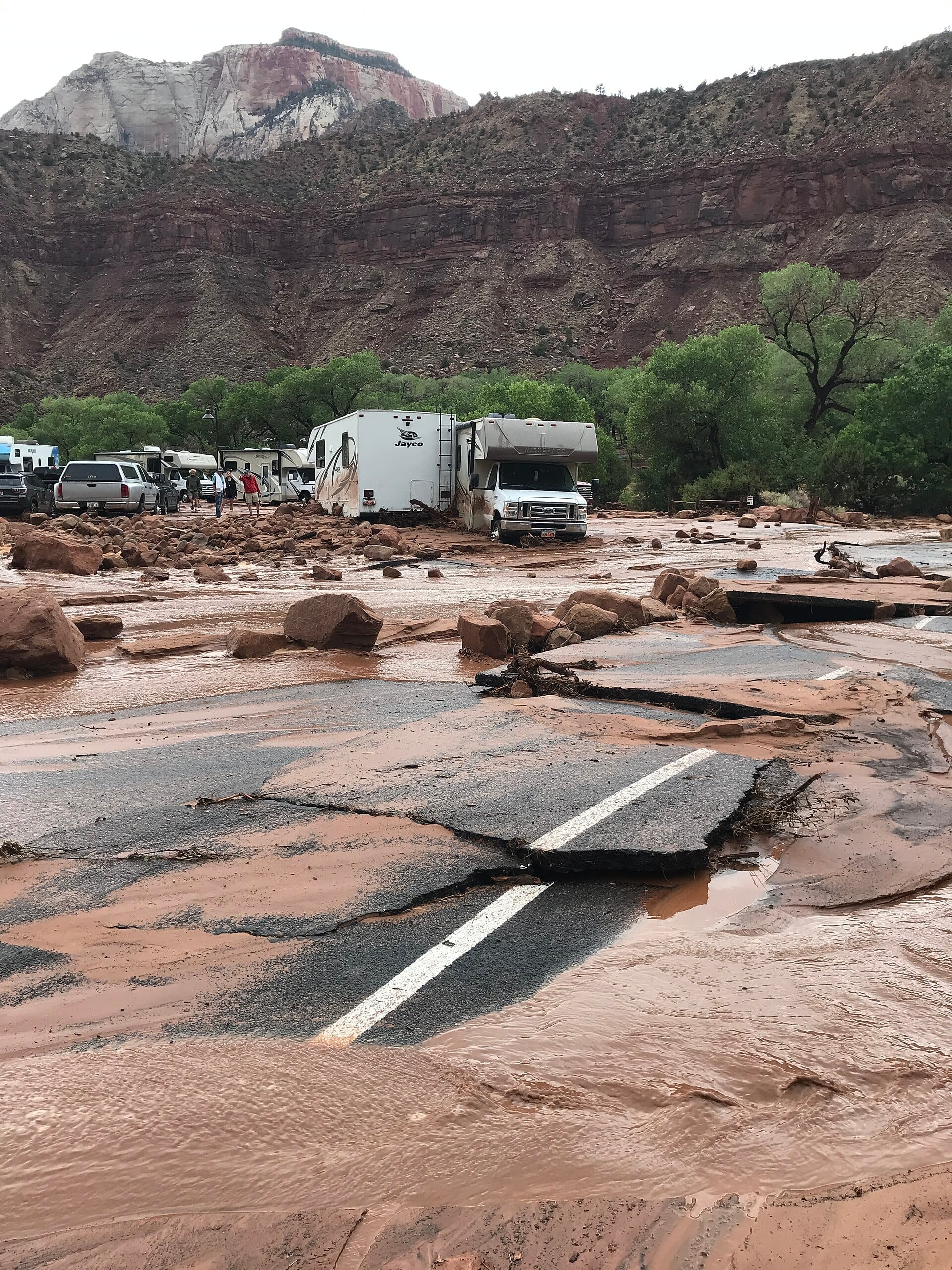
In case your automobile is caught by rising water and you can not again out, Prepared.gov’s flood web page advises:
Don’t stay within the automobile. Most flood deaths occur inside autos.In case you can climb out of the automobile and attain excessive floor, do it now. Don’t collect gear. Don’t shut home windows. Get out and rise up.In case you can’t escape the automobile, brace your self towards the seat and look forward to water to stabilize. The window could should be damaged because the water rises. Carry a window breaker in your keychain. A middle-punch type glass breaker prices ten {dollars} and works in seconds.
Just a few items of package earn their weight throughout monsoon journeys: a glass breaker/seatbelt cutter on each keychain, a tow strap rated in your automobile weight, and a satellite tv for pc messenger that doesn’t rely on cell protection.
The Half-Day Rule: Timing Your Monsoon Backcountry Driving
If you’re driving backcountry roads throughout monsoon season, plan for the late afternoon to be off the street. Most flash floods within the Southwest occur between 2 p.m. and eight p.m. The sooner you arrange camp and the later you break camp, the extra margin you retain.
I attempt to be parked by 2 p.m. and never driving once more till the following morning. That single rule retains me out of extra hassle than every other behavior I’ve picked up.
Your carry package will not assist
I need to push again gently on the “I’ve a snorkel, I’ve lockers, I’ve a winch” considering. A automobile’s carry doesn’t change what floodwater does. Just a few reminders:
The street floor could also be washed out beneath the water. You’ll be able to drive right into a gap with no warning. Raise doesn’t assist. A winch doesn’t assist. Snorkels don’t assist if the cab fills with water.Particles in shifting water can wedge your automobile towards a tree, a culvert, or one other piece of particles. That’s how most automobile deaths begin.Upstream runoff can add water sooner than your engine bay pumps it. By the point you’re chest-deep in your rig, you’re inside a ship with a steering wheel.
Autos are instruments. The desert floods are larger instruments. Don’t confuse your truck’s clearance for security.
The pre-drive guidelines
I tape this to the within of my sprint throughout monsoon journeys. Saves my very own life each July.
Climate
[ ] Verify the NWS forecast for the world, together with monsoon hazards and flood watches.[ ] Verify radar on my cellphone for the following few hours. Bookmark the NWS radar.[ ] Notice the upstream terrain from my deliberate route and search for cells in these basins.
Route
[ ] Pull up satellite tv for pc view of each wash crossing on the deliberate route.[ ] Determine the excessive floor at every crossing.[ ] Find turn-around factors the place I can again out with out backing right into a worse spot.
Camp
[ ] Affirm the campsite is on a shelf above the energetic channel.[ ] Affirm there may be an escape route that climbs inside 50 toes.[ ] Transfer camp if the reply to both query isn’t any.
Gear
[ ] Glass breaker/seatbelt cutter on keychain.[ ] Satellite tv for pc messenger charged.[ ] Tow strap accessible.[ ] First support package close to the cab, not within the again.
Mindset
[ ] No “I’ve time” considering after midday.[ ] No driving via water the place I can’t see the street.[ ] No gathering gear if a warning hits. Transfer first.
The place this rule got here from
The “Flip Round, Do not Drown” marketing campaign has been the NWS flagship security message because the mid-Nineteen Nineties. A whole lot of individuals die in flash floods yearly in the USA, and the marketing campaign is constructed round one reality: most of these deaths are preventable. Most of these deaths occur in a automobile. Most of these deaths occur as a result of the motive force thought they’d time.
I’m penning this as a result of I would like subsequent July to have fewer of these headlines.
In case you take one factor from this text, take this: decide your excessive floor earlier than you want it. The water is not going to wait when you resolve.
Picture credit
Storm clouds: Christopher Sessums, CC BY-SA 2.0 through Wikimedia Commons.Zion flood injury: NPS, public area.Flash flood signal: Qwexcxewq, CC BY 4.0.Tucson flash flood: CC BY 3.0.Grand Canyon monsoon: Nate Loper, CC BY 2.0.Santa Cruz River post-monsoon: NPS, public area.Comb Wash, Utah: Ken Lund, CC BY-SA 2.0.Capitol Gorge warning: Famartin, CC BY-SA 3.0.Grand Wash warning: Famartin, CC BY-SA 3.0.Louisiana street washout: FEMA, public area.Oak Creek flash flood: Zion Nationwide Park, CC BY 2.0.
The place the lesson reveals up elsewhere
Studying again via the Whiskey7backroads.com backcountry stories the identical monsoon lesson retains showing in several terrain. The Grand Staircase-Escalante path report describes washes that seem like parking tons within the morning and develop into impassable by mid-afternoon. The Vermilion Cliffs tenting information covers the identical logic on the Home Rock Street hall: most crossings that look positive at 9 a.m. are rivers by 4 p.m. The Grand Canyon North Rim tenting writeup spells out how the rim’s drainages feed the form of flash floods which have stranded vacationers at Vivid Angel Level each summer time.
Three completely different journeys, three completely different states, the identical lesson: monsoon security is a routing ability, not a survival ability. Plan the route across the afternoon storms, not the morning surroundings.
*Steven writes about overlanding occasions, gear, and group. For extra protection of the Whiskey7backroads perspective on overlanding, see the remainder of the Whiskey7backroads.*
Steven Marty – Whiskey 7 Backroads
My identify is Steven Marty, I’m a visitor contributor to the Whiskey 7 Backroads weblog.

Brent Conklin, proprietor of Whiskey 7 Backroads