

Climbing in distant areas comes with inherent dangers, making primary wilderness first help data a necessary ability for dealing with medical emergencies. This information outlines the important thing rules that each hiker ought to perceive to help an injured individual on the path and guarantee security for all. Nevertheless, this information isn’t meant as a substitute for formal wilderness first help coaching.
Why Hikers Want Wilderness First Support
Climbing usually takes people into distant and unpredictable environments the place skilled medical help could also be hours and even days away. In these conditions, wilderness first help data isn’t just helpful—it may be lifesaving.
Accidents reminiscent of sprains, fractures, cuts, or extra extreme situations like heatstroke and hypothermia can happen quickly. With out the correct abilities, a minor challenge can escalate right into a critical emergency. Tough terrain, excessive climate situations, and restricted entry to communication current further challenges, making it essential for hikers to know how you can assess accidents, stabilize sufferers, and stop issues.
Wilderness first help additionally fosters a tradition of security and preparedness throughout the outside neighborhood, permitting hikers to help one another successfully in emergencies.
READ: Constructing a primary help package
Wilderness First Support Certifications
For these trying to improve their preparedness, a number of wilderness first help certifications can be found:
Wilderness First Support (WFA): A primary course masking important first help abilities for backcountry settings. Sometimes a two-day course, it’s splendid for informal hikers and outside lovers.
Wilderness First Responder (WFR): A extra in-depth certification designed for guides, outside educators, and critical adventurers. This course usually lasts 5-10 days and covers extra superior medical eventualities and affected person care.
Wilderness Emergency Medical Technician (WEMT): Knowledgeable-level certification for these wanting to mix wilderness medication with emergency medical technician (EMT) coaching. This course prepares people to deal with advanced medical emergencies in distant settings.
Scene Dimension Up – Staying Secure
Whenever you encounter an injured particular person within the wilderness, the primary and most vital step is to conduct an intensive scene size-up. This includes fastidiously evaluating the surroundings round you to establish any potential hazards that might put you or the injured individual in additional hazard. Bear in mind, if you’re injured, it’s possible you’ll exacerbate the scenario quite than remedying it.
Start by assessing the terrain. Search for indicators of instability, reminiscent of unfastened rocks, muddy areas, or cliffs that might trigger additional damage or complicate your rescue efforts. Steep inclines or uneven floor could make it difficult to maneuver the injured individual safely, so guarantee the trail to them is safe earlier than continuing.
Subsequent, pay attention to any falling particles. In forested areas, branches or bushes may be weakened or already broken from storms, posing a danger of falling when disturbed. In case you’re in a rocky space, there could also be unfastened rocks or unstable formations that might shift unexpectedly.
Wildlife threats must also be thought-about. In distant wilderness areas, animals like bears, snakes, and even smaller creatures like bugs can pose dangers, notably if the injured particular person is in a weak place or if you happen to’re unable to shortly take away them from the world. Maintain an eye fixed out for indicators of animal presence, reminiscent of tracks, droppings, or animals themselves.
By making certain your personal security first, you’re higher geared up to strategy the scenario with a transparent thoughts and act decisively. Taking the time to guage these elements reduces the danger of turning into a sufferer your self and units the stage for offering the simplest help to the injured individual. Security for each you and the individual you’re serving to is at all times the primary precedence.
Introductions, Consent, and Implied Consent
As soon as the scene is secure, introduce your self and procure the person’s consent earlier than administering help. Clear communication is significant. If the individual is unconscious and unable to reply, implied consent applies. Which means that in a life-threatening emergency, it’s assumed that the person would need help in the event that they have been in a position to talk their needs. This authorized and moral precept ensures that essential medical help will be supplied immediately.
Airway, Respiration & Circulation
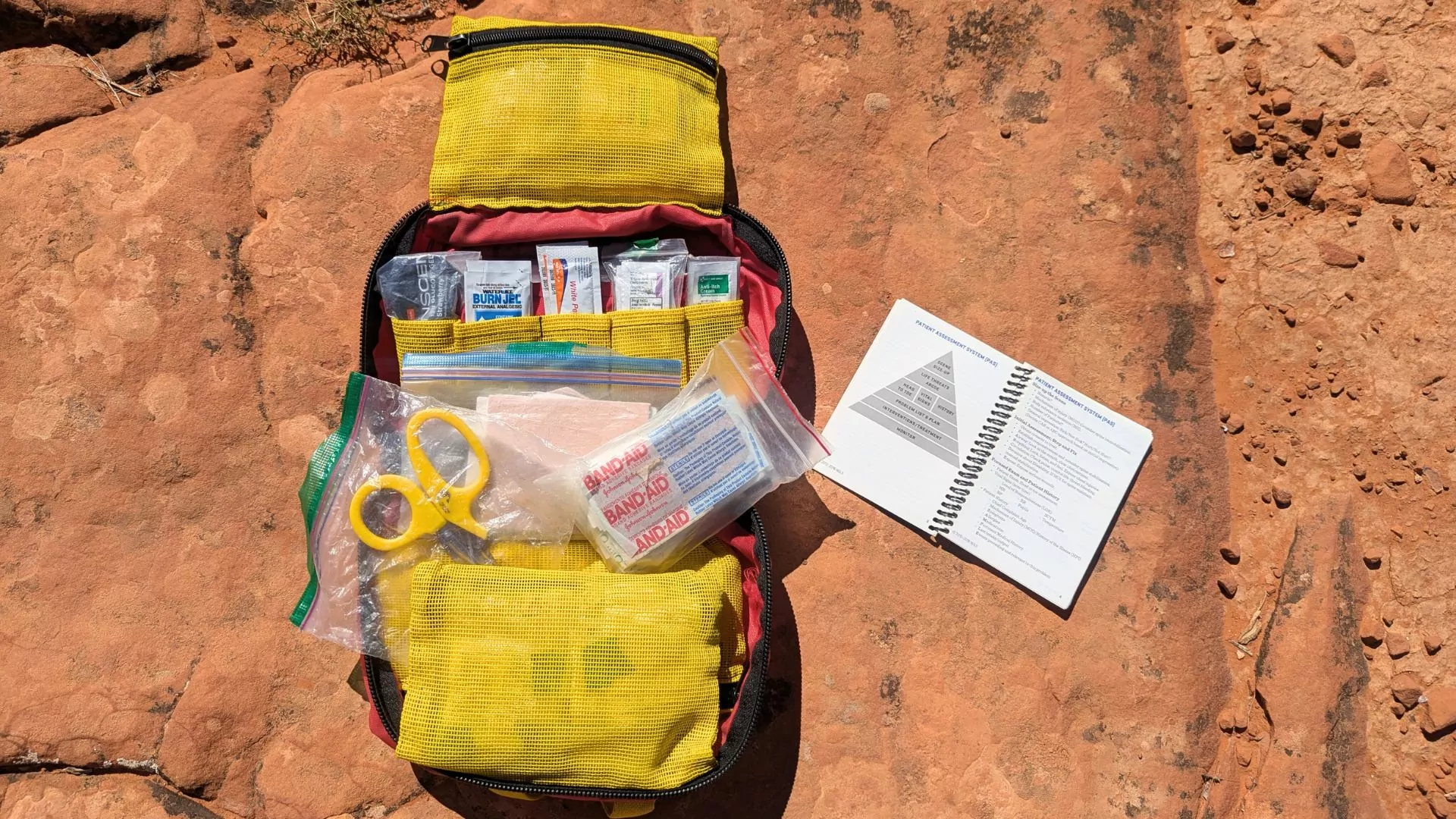
When responding to a medical emergency, the ABCs—Airway, Respiration, and Circulation—are the primary and most important elements to evaluate. These basic checks assist decide whether or not a person is in speedy hazard and information your first help response. Addressing life-threatening situations associated to the ABCs earlier than shifting on to additional evaluation can imply the distinction between life and demise.
A – Airway
Step one is to ensure the individual’s airway is open and unobstructed. If the airway is blocked, oxygen can’t attain the lungs, resulting in speedy deterioration.
If the person is aware, ask them to talk. If they will discuss clearly, their airway is probably going open.
If they’re unconscious, test for obstructions by wanting contained in the mouth and throat. Frequent blockages embody the tongue (which can fall again and impede airflow in an unconscious individual), meals, vomit, or international objects.
If wanted, carry out a head tilt-chin elevate maneuver (for non-trauma instances) or a jaw thrust (if a spinal damage is suspected) to open the airway. Take away any seen obstructions fastidiously.
B – Respiration:
As soon as the airway is open, test if the person is respiration usually. Lack of oxygen for even a couple of minutes can result in irreversible mind injury.
Look, hear, and really feel for respiration:
Search for chest rise and fall.
Hear for air motion.
Really feel for breath in your cheek.
If they’re respiration usually, monitor their situation and proceed with additional evaluation.
If they don’t seem to be respiration or solely gasping, provoke rescue respiration or CPR instantly.
C – Circulation
Circulation refers back to the motion of blood all through the physique. An absence of circulation may end up from cardiac arrest, extreme blood loss, or shock, all of which require speedy intervention.
Examine for a pulse on the carotid artery (neck) or radial artery (wrist).
Assess for main bleeding, as uncontrolled hemorrhage can shortly grow to be deadly. Apply direct strain, elevation, and a tourniquet (if essential) to cease life-threatening bleeding.
Look ahead to indicators of shock, reminiscent of pale or clammy pores and skin, confusion, speedy respiration, or a weak pulse. If shock is suspected, preserve the individual heat, lay them flat with their legs elevated (until a spinal damage is suspected), and supply reassurance whereas awaiting medical assist.
By systematically assessing the ABCs, you may shortly establish and deal with life-threatening situations, stabilizing the injured individual earlier than shifting on to secondary assessments and additional remedy. This basic strategy ensures that probably the most essential survival wants are met first, considerably bettering the possibilities of a constructive final result in a wilderness emergency.
CPR
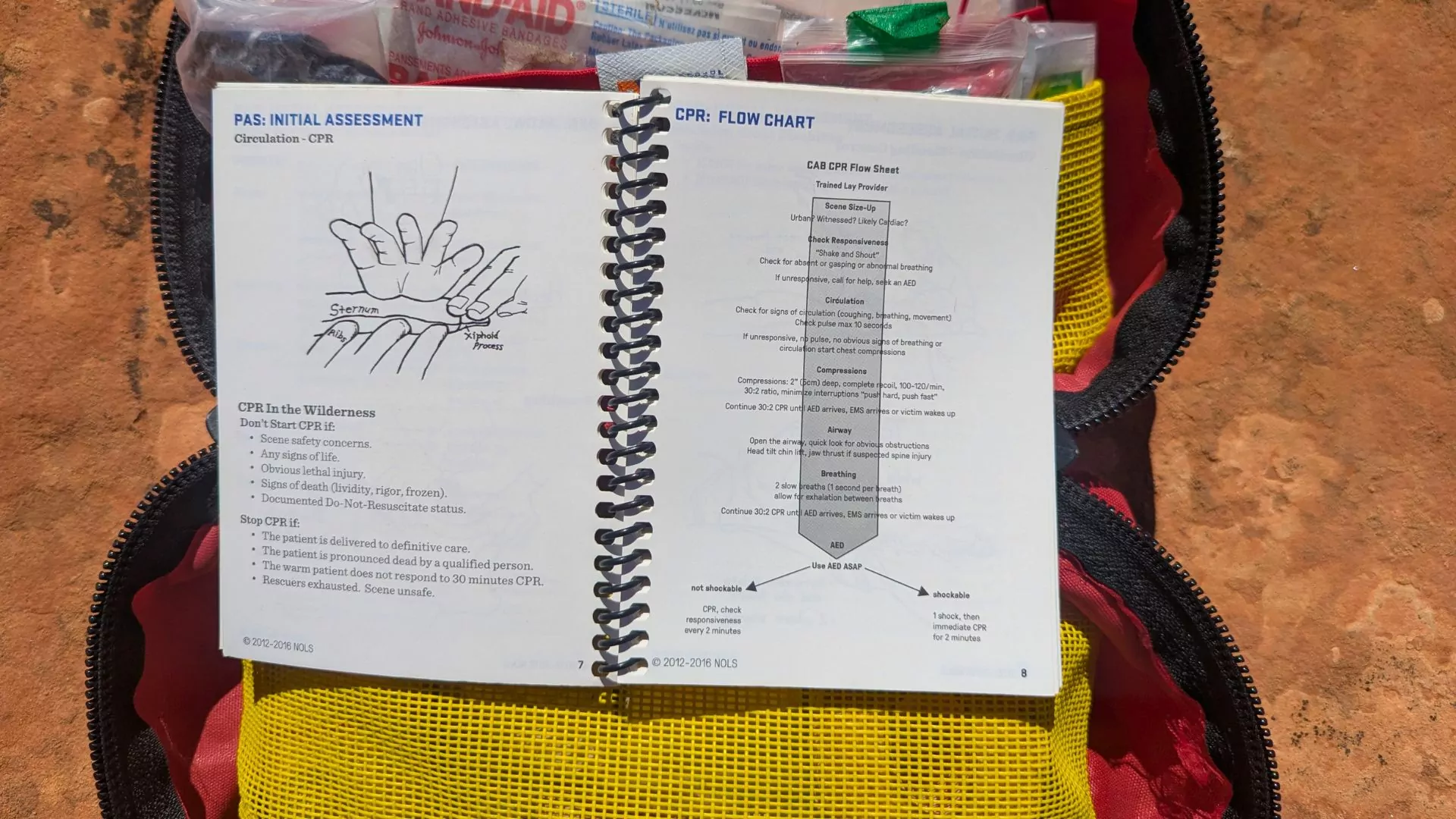
In emergency conditions, notably when climbing or tenting in distant wilderness areas, figuring out how you can carry out CPR (Cardiopulmonary Resuscitation) will be the distinction between life and demise. If an individual is discovered unresponsive and never respiration, speedy motion is required. That is the place CPR comes into play.
Step one when encountering an unconscious particular person is to evaluate their responsiveness. Gently shake the individual and shout to see in the event that they reply. If there isn’t a response, test for indicators of respiration. If the person isn’t respiration or solely gasping, it’s essential to behave shortly by beginning CPR.
Performing CPR
Chest Compressions: Start by performing 30 chest compressions. Place the heel of 1 hand within the middle of the individual’s chest, just under the sternum, and place your different hand on high of the primary. Utilizing your physique weight, push arduous and quick, compressing the chest by at the very least 2 inches at a fee of 100-120 compressions per minute. This helps flow into oxygenated blood to important organs, particularly the mind and coronary heart, that are most in danger in a cardiac emergency.
Rescue Breaths: After 30 compressions, give 2 rescue breaths. Make sure the individual’s airway is open by tilting their head again and lifting their chin. Pinch the nostril shut, cowl their mouth with yours, and provides a full breath, watching for his or her chest to rise. In case you are unable or unwilling to present mouth-to-mouth breaths, hands-only CPR (simply chest compressions) can nonetheless be efficient in saving a life.
Proceed the Cycle: Proceed alternating between 30 compressions and a couple of rescue breaths till skilled medical assist arrives or the individual regains consciousness. If the individual begins to breathe on their very own, test for different indicators of life and monitor their situation till assist arrives.
Head to Toe Examination

Conduct an intensive and systematic evaluation of the injured particular person to establish potential accidents and medical situations. This examination helps decide the extent of hurt and guides applicable remedy. Start by visually inspecting the complete physique, in search of swelling, bruising, deformities, open wounds, or discoloration. Gently palpate (press) completely different areas to detect hidden accidents that will not be instantly seen. Ask the injured individual about any ache, tenderness, numbness, or uncommon sensations.
If they’re unable to speak, observe their reactions to the touch or motion. Examine for responsiveness in extremities by asking them to wiggle fingers and toes. Assess their skill to maneuver joints with out ache or restriction. Particular consideration must be given to the backbone, chest, and stomach, as accidents in these areas will be extreme however not instantly apparent.
Gathering Background Info
When responding to an emergency within the wilderness, acquiring background info from a aware injured individual is crucial. Whereas assessing seen accidents and signs is essential, understanding their medical historical past, latest exercise, and any underlying situations can present helpful context which will affect remedy choices. In distant settings the place medical help could also be hours and even days away, this info helps forestall issues and ensures that care is tailor-made to the person’s particular wants.
Key Questions and Why They Matter
Current Meals and Water Consumption
Figuring out when the individual final ate and drank will help decide if dehydration, warmth exhaustion, or low blood sugar (hypoglycemia) is contributing to their signs.
Dehydration is a significant concern within the backcountry and may exacerbate shock, heat-related sicknesses, and kidney issues.
If vomiting, diarrhea, or extended exertion is concerned, figuring out their hydration and electrolyte standing can information whether or not oral rehydration, relaxation, or pressing intervention is critical.
Present Medical Situations
Many pre-existing situations, reminiscent of diabetes, bronchial asthma, or coronary heart illness, can mimic or worsen accidents and sicknesses within the wilderness.
A diabetic hiker experiencing confusion and weak spot may very well be in hypoglycemic shock quite than merely fatigued.
A person with a historical past of seizures could not simply be unconscious from trauma however may very well be experiencing a medical episode.
Recognizing pre-existing situations permits rescuers to offer applicable first help quite than misinterpreting signs.
Allergic reactions
Allergic reactions, particularly anaphylaxis, will be life-threatening and require speedy intervention.
Frequent wilderness allergens embody bee stings, plant publicity (like poison ivy or oak), and meals allergens from snacks or shared meals.
If a person carries an EpiPen, it’s essential to find and administer it if wanted.
With out figuring out their allergy historical past, delayed or incorrect remedy may result in respiratory failure or shock.
Present Medicines
Some medicines can impression the physique’s response to accidents or environmental stress.
Blood thinners (e.g., warfarin, aspirin) enhance the danger of extreme bleeding from even minor wounds.
Beta-blockers can have an effect on coronary heart fee and circulation, making it tougher to detect shock.
Insulin or oral diabetes medicines may cause harmful blood sugar swings, requiring cautious monitoring.
If the individual is unconscious however carrying medicines, checking them can present essential clues about their medical wants.
Why This Info is Important
Guides Instant Remedy – Figuring out the individual’s historical past helps differentiate between medical emergencies and environmental stressors, making certain the correct motion is taken.
Prevents Problems – Figuring out allergy symptoms or medicine interactions reduces the danger of administering the flawed first help.
Aids Communication with Medical Professionals – If evacuation or superior care is required, relaying this info to rescuers or emergency responders helps them present quicker, simpler remedy.
Will increase Survival Probabilities – In distant environments, the place skilled medical assist could take hours or days, having a transparent image of the individual’s well being historical past permits for higher long-term care and monitoring.
By gathering background info, you equip your self with important particulars that may imply the distinction between efficient intervention and worsening situations. Within the backcountry, the place assets are restricted and medical choices usually must be made on the spot, this step is simply as vital as treating seen accidents.
Frequent Outside Accidents and Diseases
Fractures
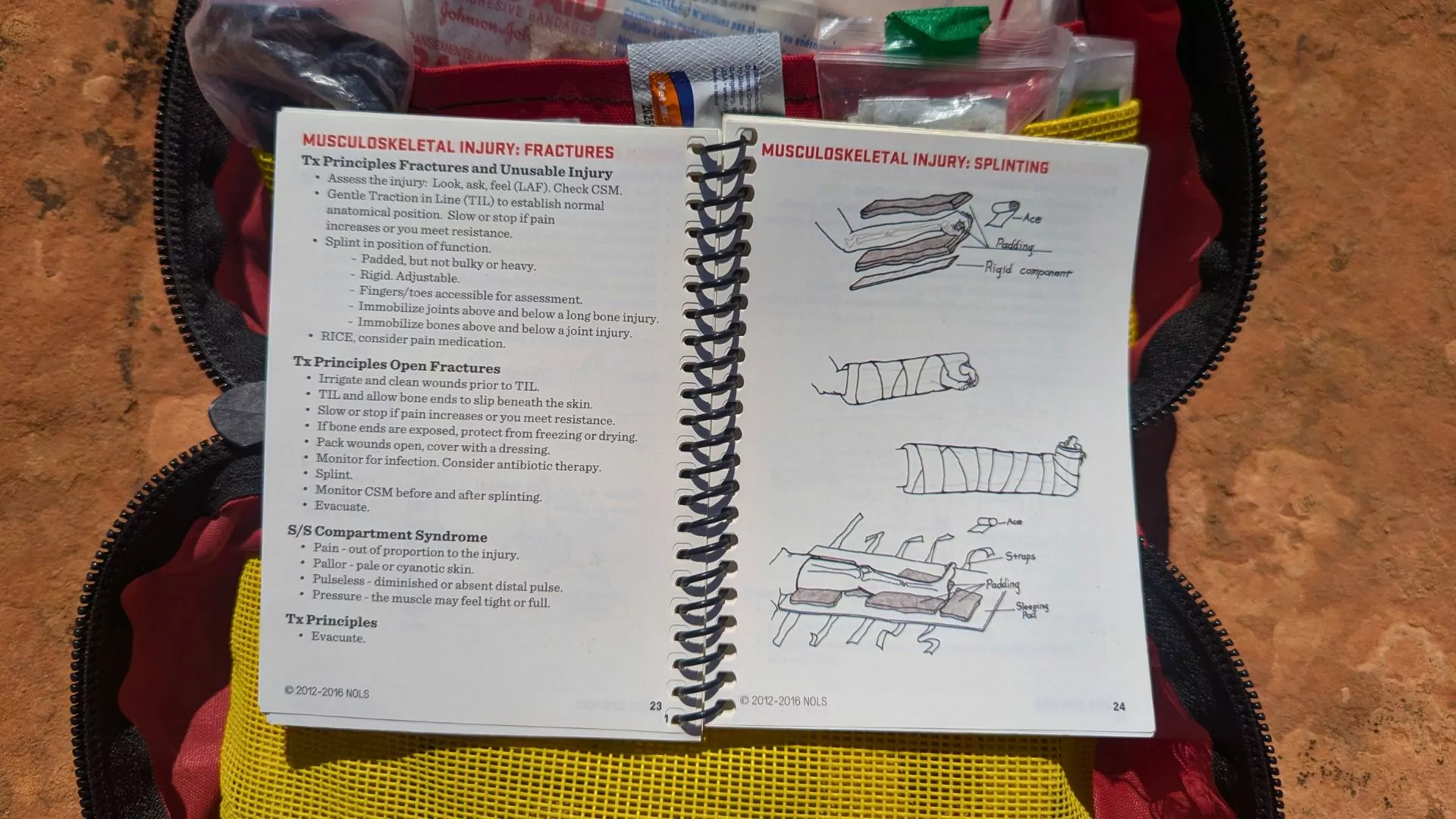
Fractures happen when a bone is damaged as a result of trauma, falls, or extreme power. Signs embody extreme ache, swelling, bruising, and doable deformity. Remedy contains:
Immobilizing the affected space with a splint or any inflexible materials obtainable (e.g., trekking poles, sticks)
Avoiding pointless motion of the injured limb
Making use of a chilly compress if obtainable to cut back swelling
Searching for medical assist as quickly as doable
Sprains
A sprain is the stretching or tearing of ligaments, generally affecting ankles, wrists, or knees. Signs embody ache, swelling, and problem shifting the joint. Remedy follows the RICE methodology:
Relaxation: Maintain weight off the injured limb
Ice: Apply a chilly pack to cut back swelling
Compression: Wrap the world with a bandage for assist
Elevation: Maintain the injured limb raised to reduce swelling
Lacerations (Cuts and Wounds)
Cuts and wounds can vary from minor scrapes to deep lacerations. Correct remedy helps forestall an infection and promotes therapeutic:
Clear the wound with sterile water or antiseptic wipes
Apply strain to cease bleeding utilizing a clear material or bandage
Use a sterile dressing to cowl the wound
Monitor for indicators of an infection, reminiscent of redness, swelling, or pus
READ: Blister Remedy
Hypothermia
Hypothermia happens when physique temperature drops dangerously low. Signs embody uncontrollable shivering, confusion, and sluggishness. Remedy contains:
Eradicating moist clothes
Offering dry, heat layers
Providing heat fluids
Utilizing physique warmth if essential
Warmth Exhaustion
Warmth exhaustion is attributable to extended publicity to excessive temperatures and dehydration. Signs embody dizziness, nausea, and extreme sweating. Remedy includes:
Transferring to a shaded space
Offering water with electrolytes
Utilizing cool compresses to decrease physique temperature
Conclusion
Fundamental wilderness first help abilities are important for each hiker, as they supply the data and confidence wanted to reply successfully in emergency conditions, finally rising security and well-being within the backcountry. Being ready to deal with quite a lot of medical emergencies—whether or not it’s a sprained ankle, a snake chunk, or a extra critical situation like a coronary heart assault—ensures that you may present speedy help to your self and others till skilled assist arrives. By understanding key first help methods, reminiscent of how you can carry out CPR, deal with wounds, and acknowledge indicators of significant situations, hikers can forestall minor accidents from escalating into life-threatening conditions. These abilities not solely cut back the danger of issues in distant areas but in addition assist in sustaining a secure, supportive surroundings for everybody on the path. Finally, figuring out primary wilderness first help permits hikers to behave swiftly and with certainty, making them higher ready to deal with the unpredictable challenges of the outside whereas making certain a safer expertise for all.


