

Fireplace is among the most important survival instruments you may have. It supplies heat, a solution to prepare dinner meals, a sign for assist, and a way of safety when situations are unpredictable.
However counting on momentary or poorly managed fires isn’t at all times sensible, or protected. Constructing a correct hearth pit provides you a dependable, contained supply of fireside that you should utilize many times.
If you happen to’re getting ready your house for emergencies or just need a managed solution to follow fire-making abilities, a well-built hearth pit turns a primary survival want into one thing reliable.
Studying construct a fireplace pit doesn’t require superior abilities or costly tools, simply the proper strategy and a focus to element.
Varieties of Fireplace Pits You Can Construct
The appropriate alternative is dependent upon how you propose to make use of it: on a regular basis cooking, emergency backup, or long-term resilience. Beneath are essentially the most sensible varieties, with a give attention to sturdiness, effectivity, and real-world use.
In-Floor Fireplace Pit
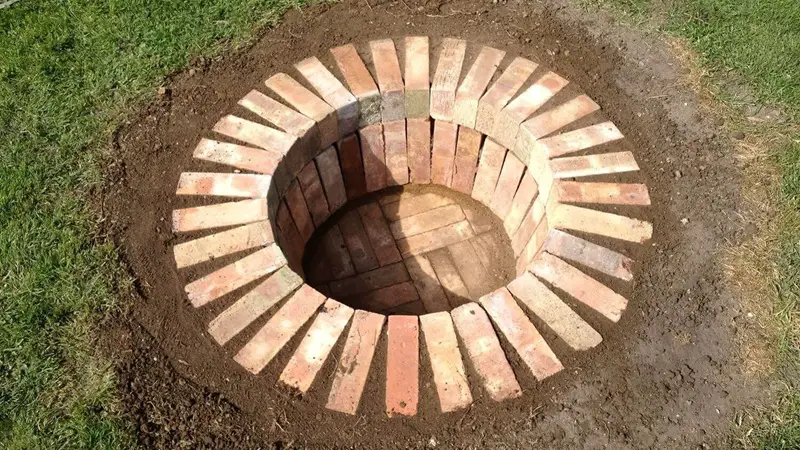
An in-ground hearth pit is among the easiest and most discreet choices. It sits under floor stage, making it much less seen and extra shielded from wind. Very helpful for survival or low-profile conditions.
Why it Works
Decrease profile makes it much less noticeable and extra wind-resistantRequires fewer supplies and may be constructed quicklyGood for primary cooking and warmth in a managed house
Limitations
Poor drainage can flip it right into a water-filled gap if not constructed properlyAirflow is extra restricted, which might make fires tougher to maintainNot very best for frequent or heavy use over time
Above-Floor Fireplace Pit (Stone or Brick)
That is essentially the most dependable and long-term choice. Constructed with fire-rated bricks or blocks, an above-ground hearth pit provides you a sturdy, reusable hearth supply that may deal with common use.
Why it Works
Robust construction holds warmth effectively and helps constant firesBetter airflow means simpler ignition and maintenanceIdeal for repeated cooking, boiling water, and long-term use
Limitations
Requires extra supplies and time to buildMore seen and everlasting (not low-profile)Barely greater upfront value
Transportable Fireplace Pit
Transportable hearth pits are ready-made items that may be moved or saved as wanted. Whereas not a standard “construct,” they will play a job in a preparedness setup.
Why it Works
May be relocated relying on situations or security needsUseful for momentary setups or backup hearth optionsNo development required, prepared to make use of instantly
Limitations
Much less sturdy over the long run in comparison with constructed pitsLimited measurement restricts hearth capability and cooking optionsStill depending on having the unit obtainable and intact
Wooden-Burning vs. Gasoline Fireplace Pit
Selecting between wooden and fuel impacts each the construct and the expertise. This alternative is much less about construction and extra about long-term reliability.
Wooden-Burning Fireplace Pit
Makes use of broadly obtainable gasoline (wooden), making it extra sustainable in emergenciesProduces greater warmth output for cooking and boiling waterWorks independently of utilities or gasoline programs
Gasoline Fireplace Pit
Fast and handy underneath regular conditionsRequires propane or a fuel line, which will not be dependable long-termLimited usefulness if provide chains are disrupted
Planning Your Fireplace Pit
A hearth pit is just as dependable as the bottom it sits on and the selections made earlier than constructing it. Poor placement or rushed planning can flip a helpful asset into a relentless drawback; smoke blowing in your face, water pooling inside, or worse, a security danger.
Selecting the Proper Location
Begin by pondering past comfort. A hearth pit must be positioned the place it may be used safely in numerous situations, not simply on a relaxed, excellent night. Maintain a transparent distance from your home, fences, and something that may catch hearth.
Warmth and stray sparks journey farther than most individuals count on, particularly when wind picks up. Overhead house issues simply as a lot, low branches or coverings can shortly develop into a hazard. Wind path is usually missed, but it surely makes an enormous distinction.
If smoke continually blows towards your house or seating space, the hearth pit turns into irritating to make use of. Spend a couple of minutes observing how wind strikes by your house earlier than deciding on a ultimate spot.
Flat, secure floor is non-negotiable. Even a slight slope can have an effect on how the construction settles over time and the way safely it holds a fireplace.
Getting the Dimension and Form Proper
Larger isn’t at all times higher. A hearth pit that’s too massive turns into inefficient, it requires extra gasoline, produces uneven warmth, and is tougher to handle. Alternatively, a pit that’s too small limits what you are able to do with it.
A sensible measurement for many makes use of is round 75 to 110 cm (30–44 inches) in internal diameter. This provides you sufficient room for a gentle hearth whereas protecting it managed. Peak issues too, partitions which can be too low don’t comprise warmth effectively, whereas overly tall partitions limit airflow.
Spherical hearth pits are likely to carry out higher as a result of they permit for extra even airflow and are simpler to construct with out precision slicing. Sq. designs can look cleaner and extra structured, however they require extra cautious alignment.
Understanding Drainage and Floor Circumstances
Water will discover its method into your hearth pit; rain, moisture from the bottom, and even humidity over time. And not using a correct base, it collects on the backside, weakening the construction and making it unusable once you really want it.
The answer is easy however vital. Dig down deep sufficient to take away free soil and create house for a stable base. A layer of compacted gravel permits water to empty away as an alternative of pooling.
This additionally stabilizes the construction and prevents shifting as the bottom settles. Soil sort performs a job right here. Dense, clay-heavy floor holds water longer and wishes extra consideration, whereas sandy soil drains higher however nonetheless requires compaction for stability.
Instruments and Supplies Wanted for Constructing Your Fireplace Pit
Earlier than you start constructing your hearth pit, be sure to have all the mandatory instruments and supplies prepared. It will prevent time, forestall interruptions, and make the entire course of smoother.
Instruments You’ll Want
You don’t want something fancy, only a few primary instruments:
Shovel: for digging and shifting soilTape measure: to mark correct dimensionsLevel: ensures your hearth pit is even and stableRubber mallet: helps place blocks with out cracking themHand tamper: for compacting soil and gravelString + stakes (non-compulsory): helpful for marking an ideal circle
Supplies You’ll Want
The supplies you select will decide how sturdy and heat-resistant your hearth pit is. Core supplies:
Fireplace bricks or retaining wall blocks: Designed to deal with excessive temperatures with out crackingGravel (crushed stone): Used for the bottom to enhance drainage and stabilitySand (non-compulsory): Helps with leveling the bottom layerMetal hearth ring (beneficial): Protects the internal wall from direct warmth and extends lifespanConstruction adhesive (heat-resistant): Secures the highest layers for added stability
Step-by-Step: The right way to Construct a Fireplace Pit
When you’ve chosen your location and gathered your instruments and supplies, it’s time to start out constructing. The steps under cowl a easy above-ground wood-burning hearth pit utilizing retaining wall blocks or fire-rated bricks.
Step 1: Mark the Space
Begin by outlining the scale and form of your hearth pit on the bottom. For a spherical hearth pit, place a stake within the middle and tie a string to it. Use spray paint or sand to mark an ideal circle across the stake.
Make sure that the marked space matches the outer diameter of your hearth pit, not simply the internal burning space. Take a second to double-check the location earlier than digging. It’s a lot simpler to regulate now than later.
A standard DIY measurement is round 36 to 44 inches in internal diameter, which provides sufficient room for hearth with out making the pit too massive.
Step 2: Dig the Base
Dig out the marked space to create a secure basis. A depth of about 6 to 12 inches is normally sufficient, relying in your design and soil situation. Take away grass, roots, and free soil so you might be working with a clear base.
Attempt to hold the underside as stage as doable whereas digging. It will make the subsequent steps a lot simpler. In case your floor is comfortable or uneven, dig slightly deeper and add extra gravel for further assist.
Step 3: Add and Compact the Gravel Base
Pour a layer of gravel into the underside of the opening to enhance drainage and assist. Unfold the gravel evenly, then use a hand tamper to compact it firmly. Proceed including and compacting till you may have a stable, stage base.
You possibly can add a skinny layer of sand on prime if wanted to assist with ultimate leveling. This is among the most vital components of the construct. A weak or uneven base may cause the hearth pit partitions to shift over time. Test the floor with a stage from a number of angles earlier than shifting on.
Step 4: Lay the First Layer of Blocks
Place the primary ring or row of blocks instantly on the compacted base. Work slowly and verify every block with a stage as you go. This primary layer units the inspiration for your entire hearth pit, so it must be as even and secure as doable.
Regulate blocks by tapping them gently with a rubber mallet. If one block sits too excessive or low, repair it now slightly than making an attempt to appropriate it later. Dry-fit all of the blocks first earlier than utilizing any adhesive.
Step 5: Construct Up the Partitions
As soon as the primary layer is stage, start stacking the subsequent rows. Stagger the joints so the seams don’t line up instantly on prime of one another. This makes the construction stronger and extra visually interesting.
Most DIY hearth pits are constructed 2 to 4 layers excessive, relying on the scale of the blocks and the ultimate look you need. Maintain checking for stage and alignment as you go. Don’t construct the partitions too excessive. A peak of round 12 to 18 inches is snug for each security and airflow.
Step 6: Set up the Metallic Fireplace Ring
In case you are utilizing a metallic hearth ring, place it inside the hearth pit as soon as the wall construction is in place. The ring helps defend the blocks from direct warmth, which might scale back cracking and prolong the lifetime of your hearth pit.
Make sure that the ring matches snugly with out forcing the blocks out of place. Some individuals depart a small hole between the ring and the blocks to permit airflow and warmth growth. A hearth ring is non-compulsory, however it’s extremely beneficial for long-term sturdiness.
Step 7: Safe the High Layer
If you find yourself pleased with the format, use heat-resistant development adhesive to safe the highest row of blocks. Carry one block at a time, apply the adhesive in line with the product directions, and place it again rigorously.
This helps forestall motion and provides the hearth pit a extra completed, everlasting really feel. Let the adhesive treatment totally earlier than lighting your first hearth. Solely use adhesive on the higher rows in case you might wish to make future changes to the bottom.
Step 8: End the Surrounding Space
After the hearth pit itself is full, clear up the world round it. You possibly can add gravel, pavers, or patio stones across the pit to create a neat and protected sitting space.
This additionally helps scale back mud, weeds, and free particles close to the hearth. If you wish to improve the house, this can be a good time so as to add chairs, benches, or a easy gravel seating zone.
Step 9: Take a look at It Safely
Earlier than utilizing the hearth pit frequently, do a small take a look at burn. Test that the pit feels secure, the hearth burns effectively, and smoke rises correctly. Look ahead to any shifting blocks or drainage points after the primary use.
Begin with a small hearth as an alternative of filling the pit immediately. This provides you an opportunity to identify any issues early.
Design Concepts and Customization
As soon as your hearth pit is constructed, the true worth comes from how effectively it really works in on a regular basis use. A very good setup isn’t nearly look, it’s about making the hearth pit extra environment friendly, extra snug to make use of, and adaptable to completely different conditions.
Protecting It Easy and Purposeful
Essentially the most dependable setups are sometimes the only. A clear gravel or dust space across the hearth pit reduces hearth danger, drains effectively in moist situations, and requires virtually no upkeep. It additionally retains the house usable even when climate situations aren’t very best.
Keep away from overbuilding or including supplies that may lure moisture or develop into slippery. The aim is a floor that stays secure, drains effectively, and doesn’t require fixed maintenance.
Constructing a Usable Seating Space
A hearth pit that nobody can comfortably sit round received’t get used a lot. Take into consideration spacing and positioning greater than type. Seating must be far sufficient to remain protected from warmth, however shut sufficient to learn from it, normally about 60 to 90 cm (2–3 toes) from the sting.
Mounted benches can work effectively if you need a everlasting setup, however movable chairs provide you with flexibility relying on wind path, group measurement, or how intense the hearth is. Protecting the world open and adjustable makes the hearth pit extra helpful in altering situations.
Including Cooking Functionality
In case your hearth pit can’t be used for cooking, you’re lacking one among its most vital features. A easy metallic grate turns your hearth pit right into a dependable cooking floor for boiling water, grilling meals, or heating provides.
It doesn’t have to be sophisticated, one thing detachable and sturdy is usually the most suitable choice. Extra superior setups, like swing-arm grills, provide you with higher management over warmth, however even a primary grate provides lots of sensible worth.
Bettering Airflow and Warmth Effectivity
A hearth pit that struggles to burn correctly turns into irritating quick. Small design selections could make an enormous distinction in how effectively your hearth performs.
Leaving slight gaps between blocks or making certain the bottom isn’t packed too tightly permits air to feed the hearth from under. This ends in a cleaner burn, stronger warmth output, and fewer smoke.
Good airflow means much less effort to take care of the hearth and extra constant outcomes, particularly when situations aren’t very best.
Fireplace Pit Security Suggestions
A well-built hearth pit provides you management, however provided that you employ it with consciousness. Most issues don’t come from the hearth itself, they arrive from small oversights that add up.
Distance and Environment Matter
A hearth pit ought to at all times sit in open house, away from something that may catch or maintain warmth. Warmth doesn’t simply rise, it spreads outward, particularly when wind shifts. Close by partitions, fences, or stacked supplies can slowly dry out and develop into ignition factors over time.
Even when nothing occurs instantly, repeated use in a good house will increase danger. Give your hearth room to breathe. The extra open the world, the extra predictable and controllable the hearth turns into.
Pay Consideration to Circumstances, Not Simply the Fireplace
A hearth that feels managed in calm climate can behave very in another way when situations change. Wind is the most important issue. It might probably carry sparks farther than anticipated and push warmth in unpredictable instructions.
Dry situations make the whole lot across the hearth extra reactive, even supplies that wouldn’t usually ignite. If the climate feels incorrect, it normally is. Ready for higher situations is at all times the safer alternative.
Use the Proper Gas
What you burn instantly impacts how the hearth behaves. Dry, seasoned wooden burns hotter, cleaner, and extra predictably. It produces much less smoke and fewer sparks, which makes the hearth simpler to handle.
Moist or inexperienced wooden does the other, it smolders, creates heavy smoke, and might ship embers drifting. Keep away from burning something handled, painted, or artificial. It’s not nearly scent, it releases dangerous fumes and might harm your hearth pit over time.
At all times Have a Option to Shut It Down
Each hearth ought to have an exit plan. Maintain water, sand, or a hose inside attain, not someplace it’s a must to take into consideration or go discover.
If one thing shifts, wind picks up, supplies fall, or the hearth grows too shortly, you must reply instantly, not react late. Management is what separates a helpful hearth from a harmful one.
Keep Current
A hearth pit isn’t one thing you gentle and stroll away from. Fires change as they burn, wooden shifts, embers fall, and warmth builds inconsistently. Staying close by lets you regulate earlier than small points develop into actual issues.
If youngsters or pets are round, that consciousness issues much more. It solely takes a second of inattention for one thing to go incorrect.
Make Positive It’s Absolutely Out
A hearth isn’t completed when the flames disappear. Warmth stays trapped in embers and ash lengthy after the seen hearth is gone. If left unchecked, it might probably reignite or proceed burning slowly.
Take the time to completely extinguish it, add water, stir the ash, and verify for remaining warmth. If it’s nonetheless heat, it’s nonetheless lively.
Upkeep and Care
A hearth pit isn’t one thing you construct as soon as and neglect. If you happen to count on it to work once you want it, particularly in less-than-ideal situations, it needs to be saved in usable form. Neglect is what turns a stable setup into one thing unreliable.
Maintain It Clear and Able to Use
After a number of burns, ash and particles begin to construct up. Left alone, this blocks airflow and makes it tougher to start out and keep a fireplace. Cleansing it out doesn’t have to be fixed, but it surely must be common.
A principally clear base permits oxygen to circulate correctly, which implies stronger, extra environment friendly fires once you want them. At all times be certain the whole lot is totally cooled earlier than eradicating ash, and retailer it in one thing non-flammable.
Management Moisture Earlier than It Turns into a Drawback
Water is among the most typical causes a fireplace pit turns into unusable. If moisture collects inside, it impacts the whole lot, from how simply a fireplace begins to how effectively supplies maintain up over time.
Repeated publicity can weaken blocks, shift the bottom, and create a relentless cycle of damp, smoky fires. A easy cowl goes a great distance, however the true answer is ensuring your drainage is doing its job. If water sits after rain, it’s one thing that must be fastened, not ignored.
Look ahead to Small Adjustments in Construction
Fireplace pits don’t normally fail , they put on down regularly. Warmth, climate, and repeated use may cause small cracks, free blocks, or slight shifts in alignment.
These don’t appear pressing at first, however they have an effect on stability and warmth distribution over time. Checking your hearth pit often and fixing small points early retains it dependable. As soon as the construction begins to maneuver or break down, repairs develop into tougher.
Preserve the Base and Inside
The bottom is what the whole lot is dependent upon. If it settles inconsistently or begins to interrupt down, your entire hearth pit follows. Over time, gravel can shift or compress, particularly after heavy rain or frequent use. Topping it up and re-leveling when wanted retains the construction secure.
Contained in the pit, supplies take essentially the most direct warmth. If you happen to’re utilizing hearth bricks or a liner, count on them to put on finally. Changing them earlier than they totally fail retains the remainder of the construction protected.
Deal with It Like a Device, Not Ornament
A hearth pit that appears good however doesn’t work once you want it isn’t a lot use. Use it often, even once you don’t must.
This helps you see points early, retains supplies dry, and ensures the whole lot is functioning as anticipated. A setup that’s been sitting unused for months is extra doubtless to offer you issues when it issues.
Value Breakdown (What It Actually Takes)
It’s much less about constructing the most affordable hearth pit and extra about constructing one you may depend on. A primary setup may be put along with minimal supplies in case you hold issues easy.
Utilizing customary retaining wall blocks and gravel, you may construct a stable, useful hearth pit with out spending a lot. This sort of setup works effectively for infrequent use and may be upgraded over time.
A extra sturdy construct requires a bit extra upfront funding. The distinction exhibits over time. It handles warmth higher, requires fewer repairs, and stays usable in a wider vary of situations.
Increased-end builds normally add consolation and construction across the hearth pit, paved seating areas, built-in benches, or cooking attachments. These enhance usability, however they’re not important. The core operate stays the identical: a managed, dependable hearth.
In sensible phrases, most builds fall someplace on this vary:
A easy, useful hearth pit: round €50–€150A extra sturdy, long-term setup: round €150–€400A totally developed outside setup: €400+
Spending extra doesn’t at all times imply higher, however slicing corners on the bottom, supplies, or format normally results in issues later.
Remaining Ideas
A hearth pit is a type of issues that proves its worth over time. It’s simple to construct one thing that works as soon as. It’s tougher to construct one thing that works each time you want it. That comes all the way down to how effectively it’s deliberate, how stable the bottom is, and the way persistently it’s maintained.
You don’t want a fancy setup. You want one thing secure, predictable, and simple to make use of underneath completely different situations. Construct it proper, hold it prepared, and it turns into greater than only a yard function, it turns into a software you may rely upon.


