

In a real emergency, entry to meals can shortly change into unsure. Grocery shops could shut, provide chains might be disrupted, and on a regular basis conveniences individuals depend on could immediately disappear.
In conditions like these, figuring out the way to establish edible wild crops within the wild can change into an extremely beneficial ability. For hundreds of years, individuals survived by gathering meals straight from nature.
Lengthy earlier than supermarkets existed, communities relied on wild crops for vitamin, drugs, and day by day sustenance. Even at the moment, many of those edible crops develop throughout us, usually unnoticed in forests, fields, and even in our personal backyards.
Studying to acknowledge edible wild crops doesn’t imply you want to change into a full-time forager. However understanding which crops are fit for human consumption can present an additional layer of preparedness if conventional meals sources change into restricted.
55 Wild Edible Crops You Ought to Know
Many edible wild crops are surprisingly frequent. Some develop alongside roadsides, others seem in gardens as “weeds,” and lots of thrive in forests and open fields.
The secret’s studying the way to establish them appropriately and understanding which elements of the plant are edible.
Under is a listing of 55 wild edible crops which can be value figuring out, particularly for these eager about survival expertise, preparedness, or just turning into extra linked to the pure world.
1. Dandelion
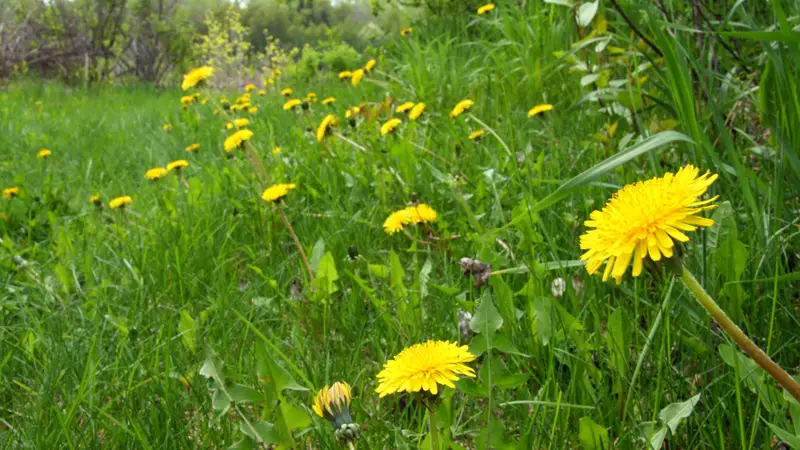
Usually seen as a weed, dandelions are utterly edible. The leaves, flowers, and roots can all be eaten and are wealthy in nutritional vitamins.
2. Plantain (Plantago)
Widespread in lawns and paths, plantain leaves might be eaten uncooked or cooked and have lengthy been utilized in conventional cures.
3. Chickweed
This low-growing plant has mild-tasting leaves that may be eaten uncooked in salads or cooked like spinach.
4. Wild Garlic
Recognizable by its sturdy garlic odor, this plant can be utilized very like common garlic in cooking.
5. Wild Onion
Much like wild garlic, wild onions might be discovered in lots of grassy areas and add taste to meals.
6. Clover
The leaves and flowers of clover are edible and might be eaten uncooked or brewed into tea.
7. Lamb’s Quarters
Generally known as wild spinach, lamb’s quarters are extremely nutritious and might be cooked like leafy greens.
8. Purslane
A standard backyard weed that comprises omega-3 fatty acids. Its leaves have a barely bitter taste.
9. Wooden Sorrel
This plant has a lemony taste and might be eaten uncooked in small quantities.
10. Nettles
Stinging nettles change into fit for human consumption as soon as cooked and are full of vitamins.
11. Cattail
Usually known as the “grocery store of the swamp,” cattails present edible shoots, roots, and pollen.
12. Wild Strawberries
Smaller than cultivated varieties however simply as candy and edible.
13. Blackberries
Wild blackberry bushes produce nutritious fruit through the summer season.
14. Raspberries
Wild raspberries are frequent in forests and alongside trails.
15. Blueberries
Many wild blueberry varieties are secure and extremely nutritious.
16. Elderberries
These berries should be cooked earlier than consuming however are generally utilized in syrups and jams.
17. Mulberries
Mulberry timber produce candy berries which can be fit for human consumption recent.
18. Wild Grapes
Usually discovered climbing timber and fences, wild grapes might be eaten recent or used for juice.
19. Rose Hips
The fruit of untamed roses is excessive in vitamin C and might be made into tea or jam.
20. Serviceberries
Additionally known as Juneberries, these small fruits style much like blueberries.
21. Acorns
Acorns from oak timber might be eaten after correct preparation to take away bitterness.
22. Pine Nuts
Sure pine timber produce edible seeds inside their cones.
23. Hickory Nuts
Hickory timber produce wealthy, flavorful nuts which can be edible.
24. Walnuts
Wild walnut timber produce nuts generally utilized in cooking.
25. Beechnuts
Beech timber produce small edible nuts that may be roasted.
26. Hazelnuts
Additionally known as filberts, these nuts develop on shrubs in lots of areas.
27. Chestnuts
Wild chestnuts might be roasted and eaten.
28. Sunflower Seeds
Wild sunflowers produce edible seeds wealthy in vitamins.
29. Burdock
The foundation of the burdock plant might be cooked and eaten.
30. Wild Carrot (Queen Anne’s Lace)
The foundation is edible however should be fastidiously recognized on account of comparable poisonous crops.
31. Daylilies
Many elements of daylilies are edible, together with the flowers and buds.
32. Yucca
The flowers and fruit of yucca crops might be eaten when ready correctly.
33. Prickly Pear Cactus
The pads and fruit of this cactus are edible.
34. Wild Asparagus
Wild asparagus grows in lots of areas and tastes much like the cultivated selection.
35. Amaranth
The leaves and seeds of amaranth are edible and extremely nutritious.
36. Miner’s Lettuce
A light leafy inexperienced generally eaten uncooked.
37. Watercress
Usually discovered close to streams, watercress is edible and nutritious.
38. Garlic Mustard
This invasive plant has edible leaves that style like garlic.
39. Curly Dock
The leaves might be cooked and eaten sparsely.
40. Milkweed
Younger milkweed shoots might be eaten when correctly ready.
41. Wild Mint
Wild mint leaves can be utilized for tea or flavoring meals.
42. Sassafras
The roots and leaves have traditionally been used to taste drinks and teas.
43. Redbud Flowers
The flowers of the redbud tree are edible and barely candy.
44. Wild Plums
These small fruits develop on timber in lots of areas.
45. Persimmons
Wild persimmons change into candy when totally ripe.
46. Pawpaw
A tropical-tasting fruit native to elements of North America.
47. Hackberries
Small fruits that develop on hackberry timber and might be eaten recent.
48. Gooseberries
Tart berries that develop on thorny shrubs.
49. Cranberries
Wild cranberries develop in boggy areas and are edible.
50. Thimbleberries
Much like raspberries however softer and extra delicate.
51. Chokeberries
Usually utilized in jams and juices.
52. Wild Apples
Some wild apple timber produce edible fruit.
53. Wild Cherries
Small cherries that develop on native cherry timber.
54. Sumac (Staghorn Sumac)
The berries might be soaked in water to make a refreshing drink.
55. Shepherd’s Purse
The leaves and seeds of this plant are edible.
Security Suggestions Earlier than Consuming Wild Crops
Whereas many crops in nature are edible, correct identification is completely important earlier than consuming something you discover within the wild. Some edible crops have poisonous look-alikes that may trigger sickness if mistakenly eaten. For that purpose, inexperienced persons ought to at all times take time to review plant identification fastidiously.
Utilizing a dependable area information or plant identification useful resource can assist you discover ways to acknowledge key options comparable to leaf form, flower patterns, and progress environments. Many skilled foragers additionally advocate studying from educated guides or native specialists when potential.
One other necessary rule is to keep away from consuming crops that develop in areas uncovered to air pollution. Roadsides, industrial areas, or places handled with pesticides could contaminate crops and make them unsafe to eat.
When making an attempt a brand new wild plant for the primary time, it’s finest to start out with a small quantity. This helps be sure that you don’t have an surprising response to the plant. With cautious identification and accountable harvesting, foraging is usually a secure and rewarding ability to be taught.
Why Foraging Data Issues in Emergencies
Understanding the way to establish edible crops might be an extremely beneficial ability throughout emergencies or conditions the place regular meals provides change into restricted. Pure disasters, provide chain disruptions, or surprising survival conditions could make entry to meals tougher.
Foraging data supplies a further layer of preparedness. Many edible crops develop naturally in forests, fields, parks, and even city environments, which means that meals sources could exist nearer than many individuals notice.
Past emergency preparedness, studying about wild edible crops may also deepen your understanding of the pure world. Many conventional cultures relied closely on native crops for vitamin and drugs, and far of that data nonetheless exists at the moment.
Creating fundamental foraging expertise can assist individuals change into extra self-reliant and conscious of the assets that nature supplies. Even when these expertise are by no means wanted in a survival state of affairs, they provide a beneficial connection to the atmosphere and a higher appreciation for the landscapes round us.
Wrap-Up
Wild edible crops have supported human survival for hundreds of years. Studying to establish edible crops just isn’t solely a helpful preparedness ability, it may well additionally assist individuals higher perceive the atmosphere round them.
Most of the crops listed above develop in surprisingly frequent locations, together with parks, trails, forests, and even yard gardens.
In fact, foraging ought to at all times be approached fastidiously and responsibly. Correct plant identification is important, and inexperienced persons ought to take time to be taught from dependable guides and skilled foragers earlier than consuming any wild crops.
And in a real emergency, that data might show way more beneficial than most individuals notice.


